


Descalzas Reales Monastery and Madrid of the Austrias guided tour
- Visit the Convent of Las Descalzas Reales and the Madrid de los Austrias district and learn about the life and costumes during the Habsburg period.
Package Options


Product Info
Purchase Notice
Reminders
Please refer to your voucher for final information regarding meeting points, pick-up locations, and pick-up time
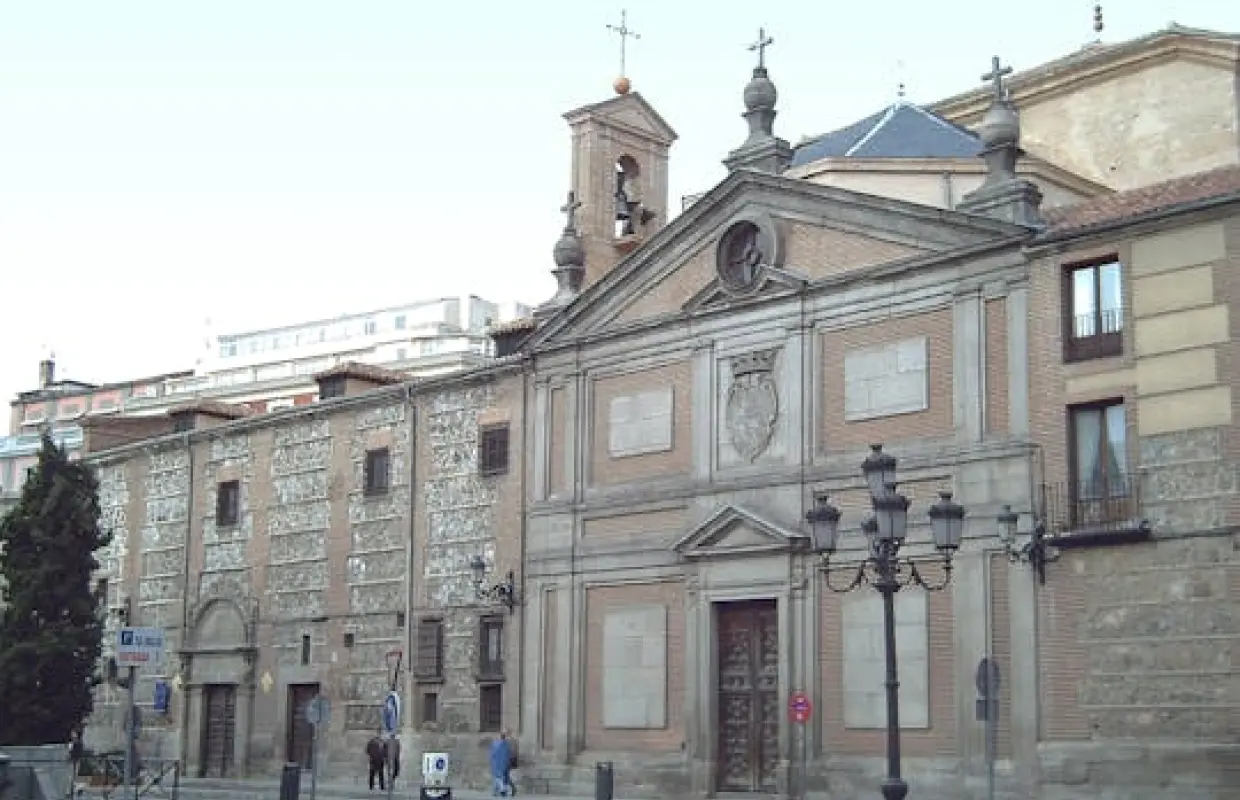
Meeting point description: Meet your guide at the entrance door of the Monastery of Las Descalzas Reales.(Monasterio de las Descalzas Reales, Plaza de las Descalzas, 28013 Madrid, Spain)
Due to uneven and steep surfaces, this activity is unsuitable for wheelchairs and anyone who has walking difficulties
The maximum number of adult participants per group is 20
FAQ
1. What is the Descalzas Reales Monastery known for?
The Descalzas Reales Monastery is renowned for its royal origins, founded in 1559 by Juana of Austria, daughter of Emperor Charles V. It became a cloistered convent for aristocratic women, many with ties to the royal family. It houses an extraordinary collection of sacred art, including paintings, tapestries, and sculptures by prominent artists, making it a hidden gem of Spanish Baroque art and history in Madrid.
2. What makes Madrid of the Austrias a significant historical area to visit?
Madrid of the Austrias, or Madrid de los Austrias, is significant as the historical heart of Madrid under the Habsburg (Austrias) dynasty. It's characterized by its charming narrow streets, historic squares like Plaza Mayor, and impressive Baroque architecture. Visiting this area offers a unique glimpse into the city's golden age, showcasing the power and influence of the Spanish Empire during that period through its well-preserved urban fabric.
3. What specific art and architectural highlights can be seen at the Descalzas Reales Monastery?
The Descalzas Reales Monastery boasts an impressive collection of European art, including masterpieces by Titian, Rubens, and Sánchez Coello, often unseen elsewhere. Visitors can admire stunning frescoes, intricate altarpieces, and a notable series of tapestries based on Rubens' designs. Architecturally, the monastery showcases a blend of Renaissance and Baroque styles, evident in its grand staircase, cloister, and chapel, reflecting its royal patronage and artistic wealth.
4. Is the Descalzas Reales Monastery still a functioning cloistered convent?
Yes, the Descalzas Reales Monastery continues to function as a cloistered convent for Franciscan Poor Clares nuns. While a community of nuns still resides there, a significant portion of the monastery, particularly its artistic and historical sections, is accessible to the public through guided tours. This allows visitors to appreciate its cultural heritage while respecting the contemplative life of the resident nuns.
5. What are the top landmarks and attractions to explore in Madrid of the Austrias?
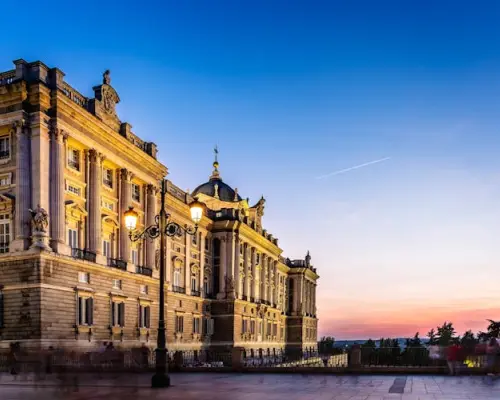
In Madrid of the Austrias, essential landmarks include the iconic Plaza Mayor, known for its arcades and historical events, and the adjacent Plaza de la Villa, which features medieval and Baroque buildings. Nearby, the grand Royal Palace and Almudena Cathedral showcase magnificent architecture. Exploring the charming narrow streets like Calle Mayor and Calle de Cuchilleros reveals historic taverns, traditional shops, and beautiful facades, offering a deep dive into old Madrid's character.
6. What unique insights does a guided tour provide about the Descalzas Reales Monastery and Madrid of the Austrias?
A guided tour offers invaluable insights by providing historical context and captivating stories that bring these sites to life. Experts can explain the intricate connections between the Descalzas Reales Monastery and the Habsburg royal family, delve into the daily life and customs of the period, and highlight architectural nuances. This enriches the understanding beyond what a self-guided visit could offer, providing a deeper appreciation of Madrid's imperial past.
7. What connection does the Descalzas Reales Monastery have to the Habsburg royal family?
The Descalzas Reales Monastery has profound ties to the Habsburg royal family, as it was founded in 1559 by Juana of Austria, the daughter of Emperor Charles V and sister of King Philip II. Many royal and aristocratic women, particularly those related to the Habsburg dynasty, took vows here, bringing with them significant dowries that contributed to the monastery's vast artistic wealth and historical significance within the Spanish Empire.
8. What should visitors expect from a guided tour experience in Madrid of the Austrias?
Visitors on a guided tour of Madrid of the Austrias can expect an immersive walking experience through the city's oldest and most historic quarter. The tour typically covers iconic sites like the Plaza Mayor, Plaza de la Villa, and the Royal Palace area, offering detailed commentary on their history, architecture, and the daily life during the Habsburg era. It's a structured way to understand the area's rich past, led by knowledgeable local guides.


