


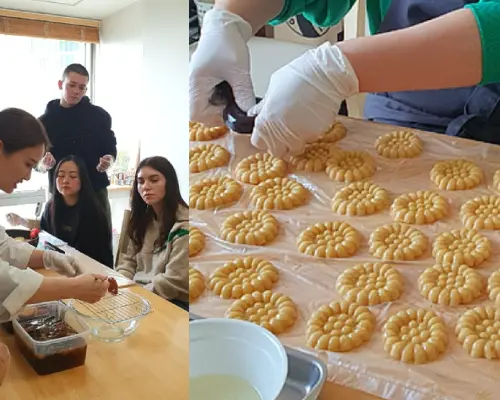


[Seoul Handmade Experience Ordering Service] Traditional medicinal fruits and medicinal fruit biscuits making courses (can be taken home)
- Go to South Korea to directly experience hand-made traditional medicinal fruits and medicinal fruit biscuits, which are the most popular nowadays.
- No need to wait in long queues, just make it yourself and take it home as the most heartwarming souvenir.
- The whole course can be taught in English, so you don’t have to worry about not understanding Korean. The booking service can help you save more time.
Package Options
Product Info
What You Can Expect
1 Day
- Come and experience making traditional medicinal fruits with your friends
- A teacher with 20 years of experience in catering will first introduce the origin of the medicinal fruit and then start explaining the production method.
- It can be packaged and taken home. It can be kept at room temperature for 10 days and frozen for 1 month.
- After the dough is kneaded, each dough is pressed by hand into the shape of traditional medicinal fruits.
- Control oil temperature, time, and turn over regularly
- Coated with thick special honey
- Cooling while dripping too much honey
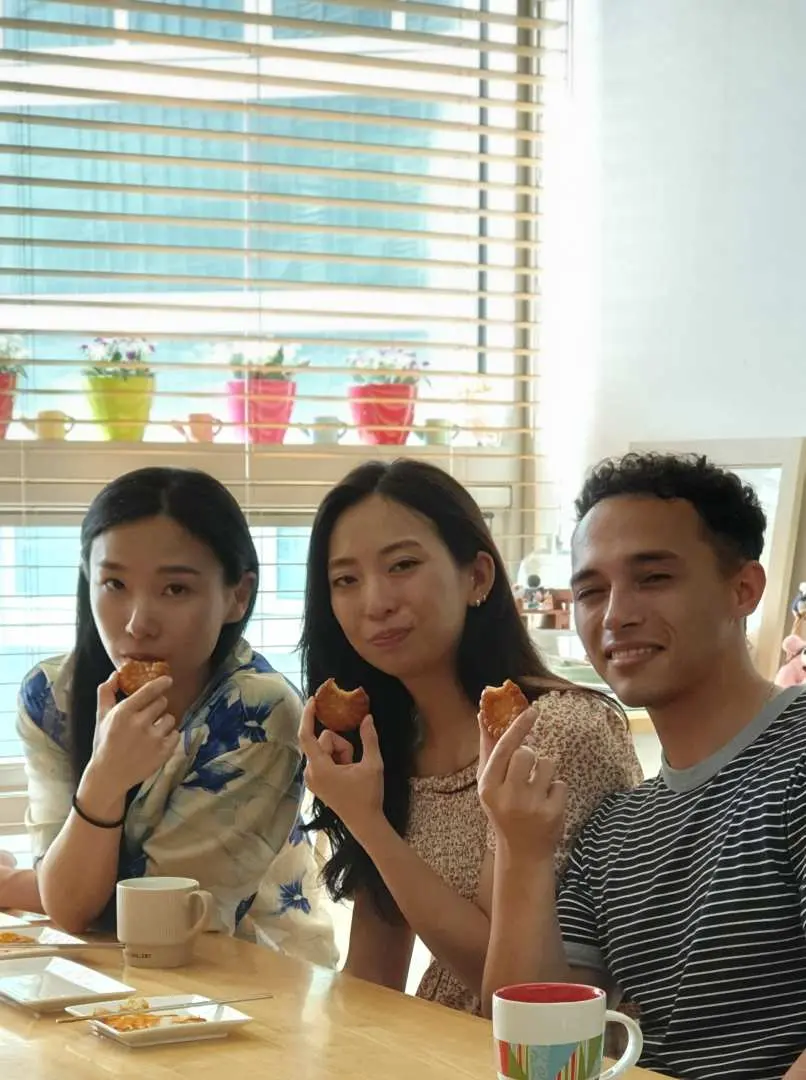
- While waiting, you can take some different commemorative photos and gain a new experience in Korea.
- In addition to traditional medicinal fruits, they can also make medicinal fruit biscuits here, and add vanilla ice cream when you go back. You don’t have to queue up and you can immediately have popular desserts worth tens of thousands of won in the specialty cafe.



Purchase Notice
The teaching language is only English and Korean. Anyone aged 10 or above can participate in the experience. The fee is the same as for adults, and they need to be accompanied by an adult.
Includes/Excludes
Reminders
Please arrive 10 minutes before the reservation time; if you are more than 10 minutes late, you will not be able to participate in the experience and no refund will be requested
It is recommended to collect and transport the finished medicinal fruits back to the country. Please pay attention to the storage period: 10 days at room temperature and 1 month in the freezer.
How to Redeem Your Voucher
How to Use Your Voucher
- Please present the e-voucher on-site
Experience Location
Location Name: No. 1801, 18th Floor, Metro The O Ville
Address: 167 Singongdeok-dong, Mapo-gu, Seoul, South KoreaCancellation Policy
- Cancellations 3 day(s) (inclusive) before the selected date are allowed. Unused orders can be canceled for free
- Cancellation is not allowed between 0–2 days from the selected date. Orders cannot be canceled or modified, and refunds will not be granted.
- Due to time zone differences, the confirmed cancellation date is based on the supplier’s local time. Please allow 2–5 business days to process your cancellation request, after which the cancellation fee will be charged according to the product’s cancellation policy. Once the cancellation is confirmed, you will receive your refund within 14 working days.
FAQ
These treats blend traditional Korean health wisdom with culinary artistry. They are cherished for their unique flavors derived from natural ingredients and their cultural significance as a reflection of Korea's heritage. Their handcrafted nature adds to their appeal, offering a taste of authentic Korean tradition that resonates with both locals and visitors seeking unique, health-conscious options.
They stand out as unique gifts because they are not mass-produced, carrying the personal touch of handmade craftsmanship. Infused with traditional ingredients known for their health benefits, they convey a sense of care and well-being to the recipient. Their beautiful presentation and deep connection to Korean culture make them thoughtful and memorable presents for any occasion.
Hand-made traditional medicinal fruits offer a tangible and edible memory of a trip to South Korea. Unlike typical souvenirs, they embody a direct experience of Korean culture and craftsmanship. Taking them home allows you to share a unique aspect of Korean culinary tradition with others, making them a truly special and heartwarming keepsake from your journey that represents personal effort and cultural immersion.
Learning to make traditional medicinal fruits and biscuits can open doors for entrepreneurial ventures. With growing interest in unique, healthy, and culturally rich products, mastering these crafts allows individuals to create bespoke items for sale. This skill can be leveraged to start a small business, offer workshops, or supply specialty stores with authentic Korean treats, tapping into a niche market that values heritage and quality.
Traditional medicinal fruits are deeply rooted in Korean history, representing an ancient practice of combining food with health principles. Historically, they were prepared for royal families and respected elders, symbolizing longevity and well-being. Today, they continue to be appreciated as a luxurious and health-conscious treat, embodying Korea's rich heritage of natural medicine and culinary artistry that has been passed down through generations.
Yes, absolutely. Many traditional medicinal fruit and biscuit making courses in Seoul are designed to be accessible to international visitors. English instruction is often provided throughout the entire course, ensuring that non-Korean speakers can fully understand the techniques, ingredients, and cultural context without any language barriers. This allows everyone to enjoy the hands-on experience and confidently take home their unique creations.
Handmade traditional medicinal fruit biscuits are heartwarming because they carry the personal effort and care put into their creation during the course. They are not merely purchases but tangible results of a unique cultural experience in Seoul. Sharing these personally crafted treats with loved ones back home extends the warmth of your travel memories and offers a truly personal token of your journey, showing thoughtful consideration.
The making process typically involves selecting high-quality natural ingredients, often including various nuts, dried fruits, and honey, known for their health benefits. Participants learn traditional methods of combining and shaping these ingredients to create visually appealing and delicious treats. The course usually guides you through each step, from ingredient preparation and mixing to final assembly and packaging, allowing you to craft your own batch.
Get Help


