


Unseen Bangkok Chao Phraya River & Sunset Walking Tour with Tour Guide | Thailand
Explore Bangkok's hidden gems along the Chao Phraya River with a guide, including Wat Arun, longtail boat tours, Kudichin Community, and a tuk-tuk night ride around Ratanakosin Island.
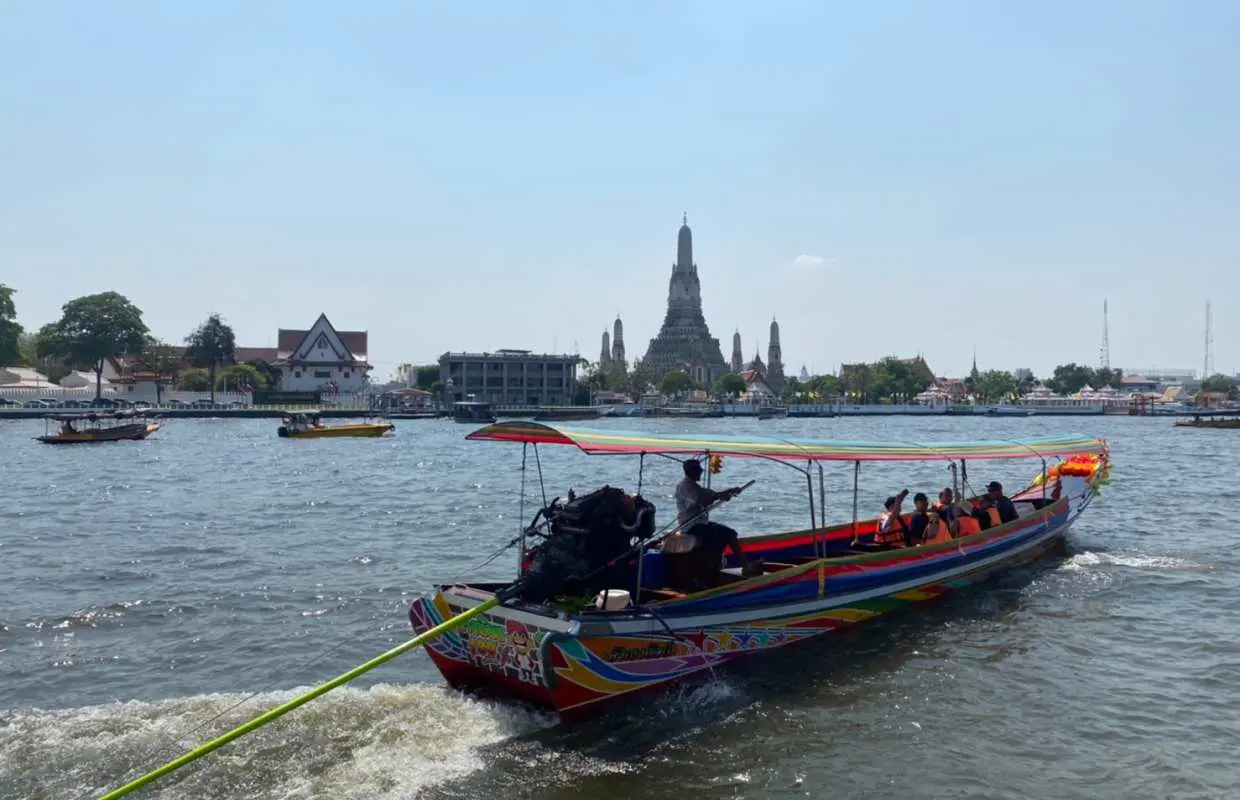
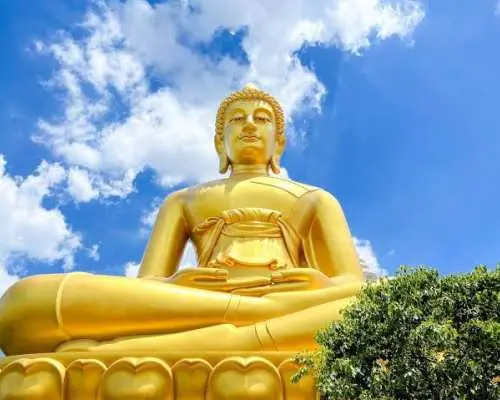
- See Bangkok by boat, passing by Wat Arun and the Kudichin Historical Community, with a view of the Big Buddha
- Experience a sunset walking tour along the Chaopraya River and a Bangkok night tour by tuk tuk, discovering the sights of Rattanakosin Island
- Go on a street food adventure and sample the delectable flavors of Chinatown's culinary delights
- Tour with a friendly and knowledgeable tour guide
Package Options


Sightseeing Tours
| Tour Type | Private tour |
| Tour types | Guided tour |
| Sightseeing type | City walking tour, Temples & shrines, Food tour・Izakaya Hopping, Tuk-tuk |
| Transport | Sightseeing cruise, Walking |
Product Info
Purchase Notice
- In the event of tour cancellation resulting from adverse weather conditions, refunds will be granted
Reminders
Travelers with the following conditions or other health issues that could be worsened by excessive stimulation should not participate in this activity: High blood pressure, Heart disease, Acrophobia, Asthma, Epilepsy, Pregnant women
Please arrive at the designated location 10 minute(s) before the scheduled departure time, as the tour will depart on time
It is not recommended to bring valuables on the tour, and any loss or damage is at the guest's own risk
The tour may be postponed, rescheduled, or canceled due to factors such as bad weather, road conditions, or safety concerns, which are beyond our control
Cancellation Policy
- Cancellations 3 day(s) (inclusive) before the selected date are allowed. Unused orders can be canceled for free
- Cancellation is not allowed between 0–2 days from the selected date. Orders cannot be canceled or modified, and refunds will not be granted.
- Due to time zone differences, the confirmed cancellation date is based on the supplier’s local time. Please allow 2–5 business days to process your cancellation request, after which the cancellation fee will be charged according to the product’s cancellation policy. Once the cancellation is confirmed, you will receive your refund within 14 working days.
FAQ
Wat Arun, also known as the Temple of Dawn, is special due to its stunning and unique architecture, particularly its magnificent central prang (tower). Adorned with intricate porcelain and seashell mosaics, it shimmers beautifully, especially at sunrise or sunset. Its historical significance as a former royal temple and its prominent riverside location on the Chao Phraya River add to its allure, making it a distinctive landmark of Bangkok.
Yes, there is a strict dress code for visiting Wat Arun as it is a sacred Buddhist temple. Visitors are required to dress modestly, ensuring their shoulders and knees are covered. It is advisable to wear loose-fitting clothing that respects the religious customs. Failing to adhere to the dress code may result in denied entry or requiring visitors to borrow or purchase appropriate attire on-site.
Wat Arun is a Buddhist temple, specifically a royal temple of the first class in Thailand. It is an important site for Thai Buddhism, deeply rooted in the country's religious and cultural history. Its architecture and iconography are rich with Buddhist symbolism, reflecting the traditions and beliefs of the Theravada school of Buddhism, which is predominant in Thailand.
Inside Wat Arun, beyond its iconic exterior, visitors can explore the ordination hall which houses the principal Buddha image, often adorned with beautiful murals depicting stories from Buddhist mythology. While the towering prangs themselves are primarily external structures, the intricate details, guardian figures, and decorative elements throughout the temple complex offer rich visual insights into Thai art and religious devotion.
Wat Arun's architecture is famed for its majestic central prang, built in the Khmer style and reaching over 70 meters high. This tower, along with four smaller surrounding prangs, is intricately decorated with countless pieces of colorful porcelain and seashells, creating shimmering floral patterns. Visitors can also observe ornate guardian figures, mythical creatures, and delicate stucco work, all contributing to its dazzling and distinctive appearance.
Wat Arun boasts a rich history, dating back to the Ayutthaya Kingdom. It was initially known as Wat Makok and later Wat Chaeng. It gained prominence as the royal temple during the Thonburi Kingdom under King Taksin, who briefly housed the Emerald Buddha here before it was moved to Wat Phra Kaew. The temple underwent significant restoration and expansion under King Rama II and King Rama III, shaping its current magnificent form as the Temple of Dawn.
Beyond the specific dress code, visitors to Wat Arun should observe several etiquette guidelines to show respect. This includes removing shoes before entering any temple buildings, speaking in a soft voice, and refraining from touching or pointing feet at Buddha images. It is also important not to climb on any of the temple structures and to generally maintain a respectful demeanor while exploring the sacred grounds.
At Wat Arun, key religious practices and symbols reflect its Buddhist foundation. Visitors often engage in merit-making, such as offering prayers or making small donations. The temple's architecture, particularly the central prang, symbolizes Mount Meru, the center of the Buddhist cosmos. Images of various deities, mythical creatures like Yakshas (guardian giants), and celestial beings are incorporated into the design, each carrying specific symbolic meanings within Buddhist cosmology and Thai culture.
Get Help


