


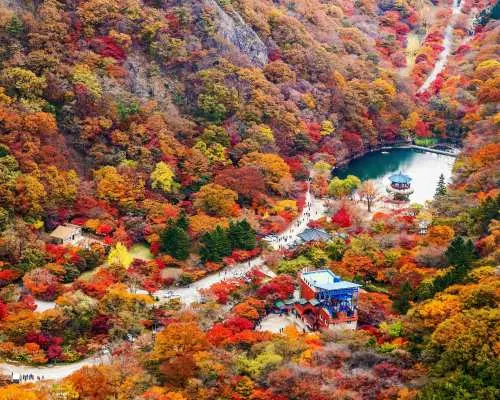


Naejangsan Mountain: 1-Day Tour (Departure from Seoul or Busan) | South Korea
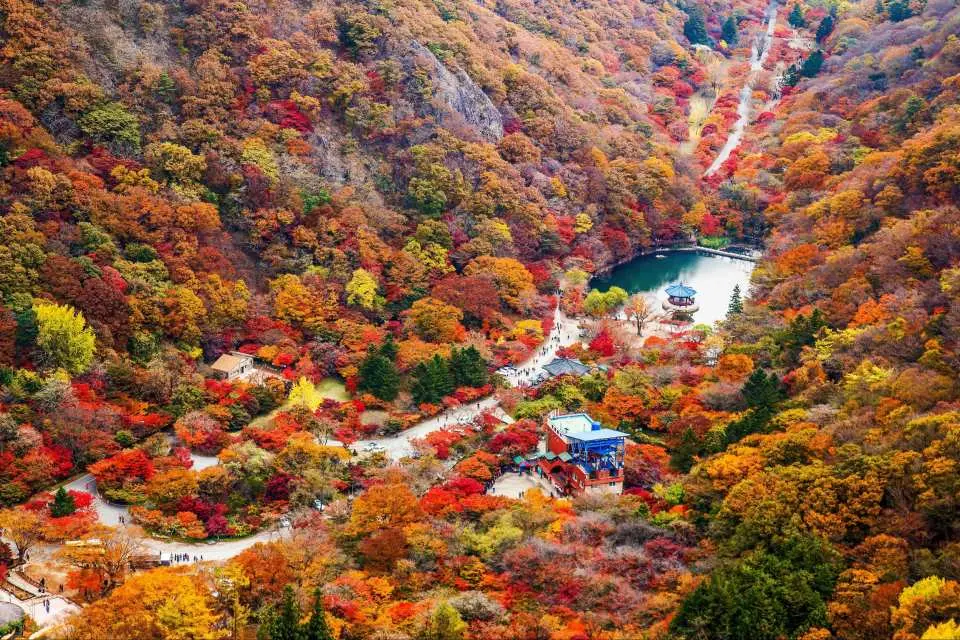
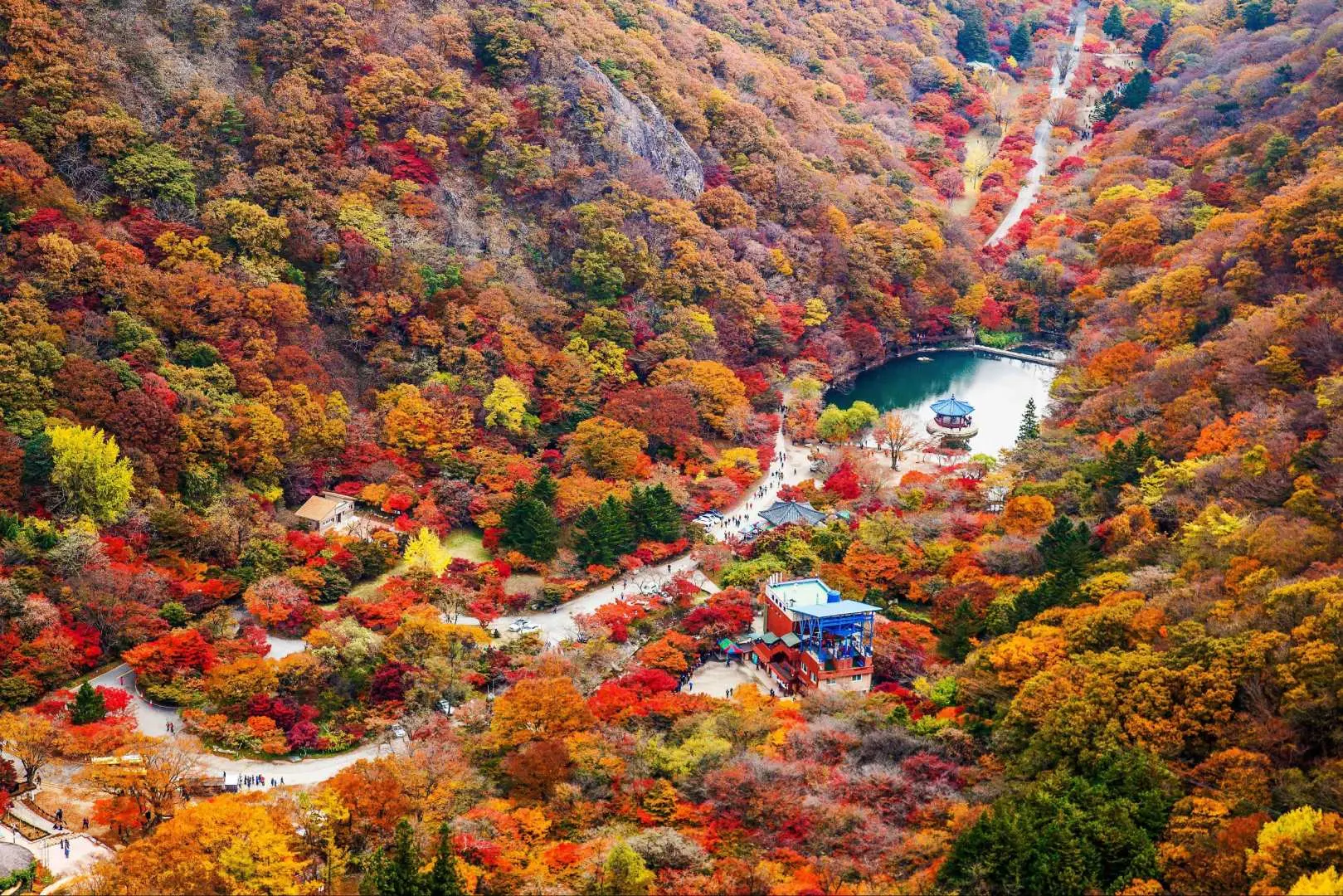
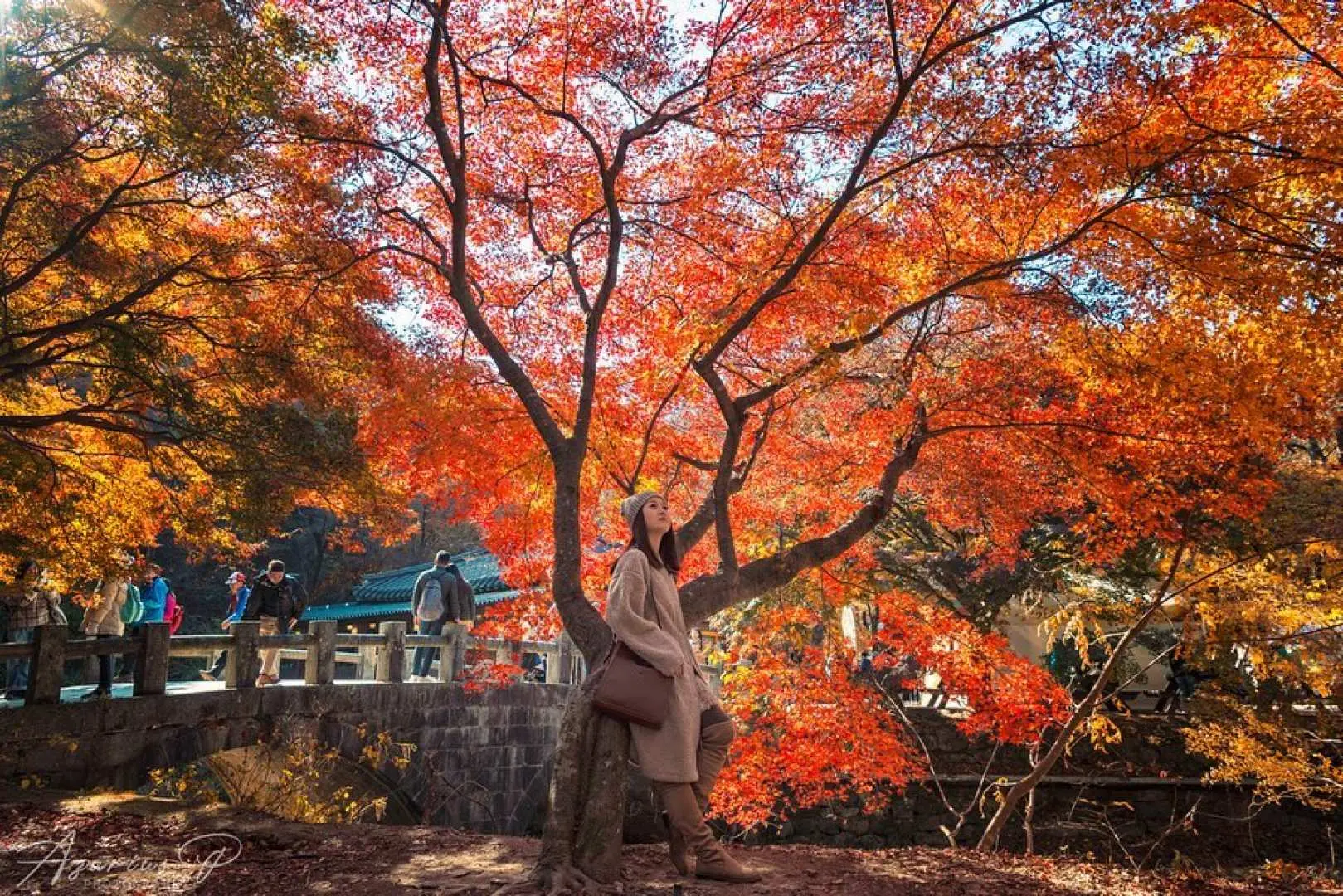
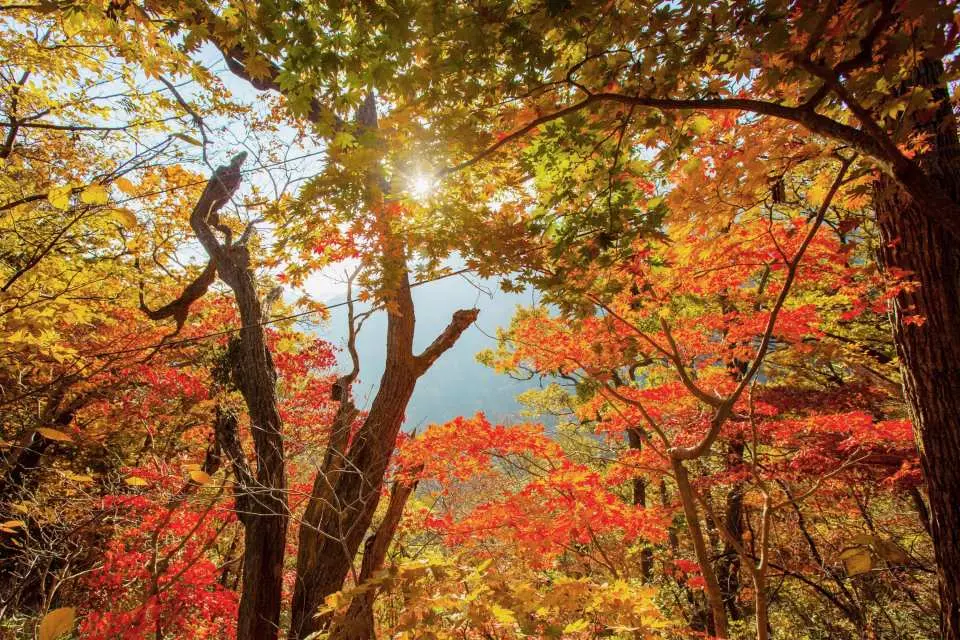
🍁 Did you know that Korean autumn leaves are really beautiful? Among them, Naejangsan Mountain is the best! 🍂
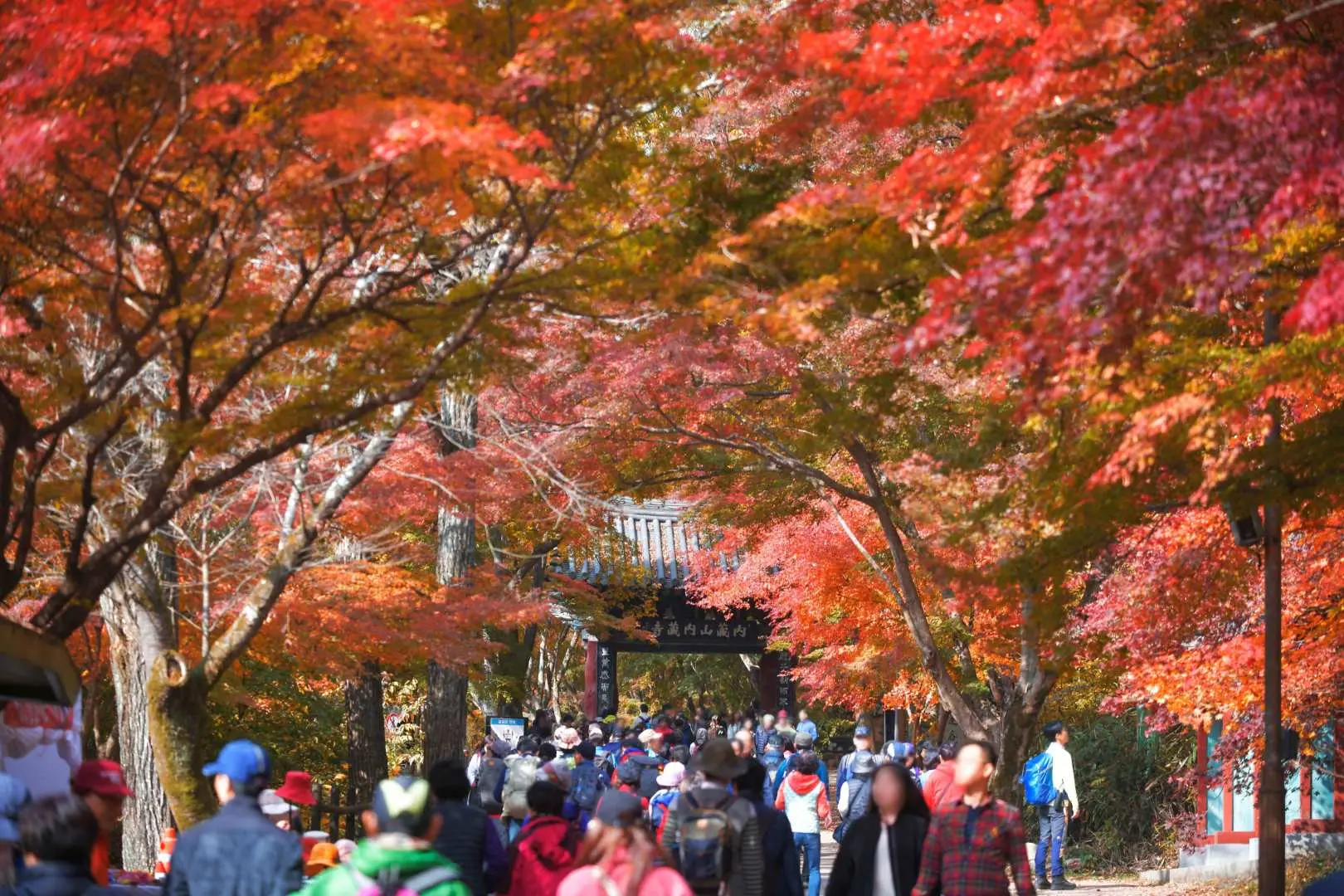
- Capture unforgettable memories as you walk through the enchanting maple tree tunnel
- Discover hidden temples nestled within the forest and embrace the serene atmosphere of Naejangsan
- For those who are willing to visit Busan or Seoul for the next day, you have the opportunity to save both your money and time
Product Info
🍂 Grab the opportunity to see Naejangsan Mountain, which is famous for its beautiful autumn scenery in South Korea.
Meet at your designated location and head directly to Naejangsan Mountain.
Unwind, find tranquility, and connect with nature during autumn in Naejangsan today. Book your tour here at KKday! ✨
For those who are willing to visit Busan or Seoul for the next day, you have the opportunity to save both your money and time by booking package C or D.
- 📌 For those who have chosen [Option C or D] and are willing to transfer from Naejangsan Mountain to Busan at the end of the tour, please ensure that you double-check your itinerary
ㅤ


ㅤ

ㅤㅤ
ㅤㅤ


ㅤ

ㅤㅤ


ㅤ

ㅤㅤ

ㅤ


ㅤ


Purchase Notice
- When making a reservation, please write down the ID of the contact information or message app (Kakao Talk, WhatsApp, Viber, etc.)
- Due to recent issues with adding foreign accounts on Line, please provide your WhatsApp or KakaoTalk ID.
- If you bring a stroller or wheelchair, please let us know in the "Requests & Remarks" column when making a reservation
- For those who have chosen option C or D and are willing to transfer to Busan or Seoul, you can bring a maximum of one piece of luggage per person
- Free for children below 2 years old as long as they will not occupy separate seats
Reminders
Please arrive at the designated location 10 minute(s) before the scheduled departure time, as the tour will depart on time
Due to recent issues with adding foreign accounts on Line, please provide your WhatsApp or KakaoTalk ID.
For those who have chosen option C or D and are willing to transfer to Busan or Seoul, you can bring a maximum of one piece of luggage per person
⚠️ All the itineraries of our company do not include personal travel insurance. There are certain risks and dangers in outdoor activities. Guests must evaluate their own health or ability.The company will not be responsible for any physical damage or casualty caused by accidents or unpredictable factors.
FAQ
Naejangsan Mountain is situated in Jeollabuk-do (North Jeolla Province) in southwestern South Korea. It forms part of Naejangsan National Park, bordering Jeongeup city and Sunchang county. This location makes it accessible from major cities like Seoul and Busan, although it requires a journey to reach the park's scenic landscapes known for their dramatic cliffs, waterfalls, and vibrant autumn foliage.
Naejangsan Mountain is renowned for its stunning natural beauty, especially during autumn when its maple leaves transform into a breathtaking tapestry of reds and yellows. Visitors are drawn to its picturesque Maple Tree Tunnel, majestic waterfalls, and tranquil Buddhist temples such as Baekyangsa Temple and Naejangsa Temple, which are nestled within the vibrant forest. It offers diverse hiking trails and a serene atmosphere, making it a favorite for nature lovers and hikers.
The optimal time to visit Naejangsan Mountain for its spectacular autumn foliage is typically from late October to mid-November. During this period, the mountain's maple trees display their most vibrant hues, creating the famous Maple Tree Tunnel and a stunning natural spectacle. Planning your visit within this window ensures you experience the peak beauty of the autumn leaves, which draw many visitors each year.
Naejangsan Mountain offers a variety of hiking trails suitable for different skill levels, from gentle walks along the streams to more challenging ascents. Key scenic spots include the vibrant Maple Tree Tunnel (Danpung Tunnel), the serene Naejangsa Temple, and the historic Baekyangsa Temple. Visitors can also explore various waterfalls, such as Dodeokpokpo and Geumseonpokpo, and enjoy panoramic views from observation decks along the well-maintained trails within the national park.
To reach Naejangsan National Park from Seoul, you can take a KTX train from Yongsan Station to Jeongeup Station. The train journey typically takes approximately 2 to 2.5 hours. From Jeongeup Station, local buses or taxis are readily available to take you directly to the national park entrance, which is approximately a 30-minute ride. This offers a convenient way to access the park for a day trip or longer stay.
Traveling to Naejangsan National Park from Busan typically involves taking an intercity bus or KTX train. You can take a KTX train from Busan Station to Jeongeup Station, which takes around 3 hours. Alternatively, intercity buses run from Busan Central Bus Terminal to Jeongeup, with a travel time of about 3.5 to 4 hours. From Jeongeup, local transportation such as buses or taxis connects directly to the national park entrance.
Yes, Naejangsan Mountain is very suitable for a day trip, especially with organized tours from major cities like Seoul or Busan. Given the travel time involved, visitors typically allocate 4 to 6 hours within the park itself to explore the main attractions, enjoy the maple tree tunnel, visit the temples, and undertake some light hiking. This allows for a comprehensive experience of the park's highlights.
Beyond its spectacular autumn leaves, Naejangsan Mountain offers several key attractions and unique experiences. Visitors can stroll through the iconic Maple Tree Tunnel, admire the serene beauty of ancient Buddhist temples like Naejangsa Temple and Baekyangsa Temple, and discover scenic waterfalls such as Dodeokpokpo and Geumseonpokpo. The park also provides opportunities for peaceful walks and enjoying the tranquil forest atmosphere throughout the year, even outside the peak autumn season.
Get Help


