
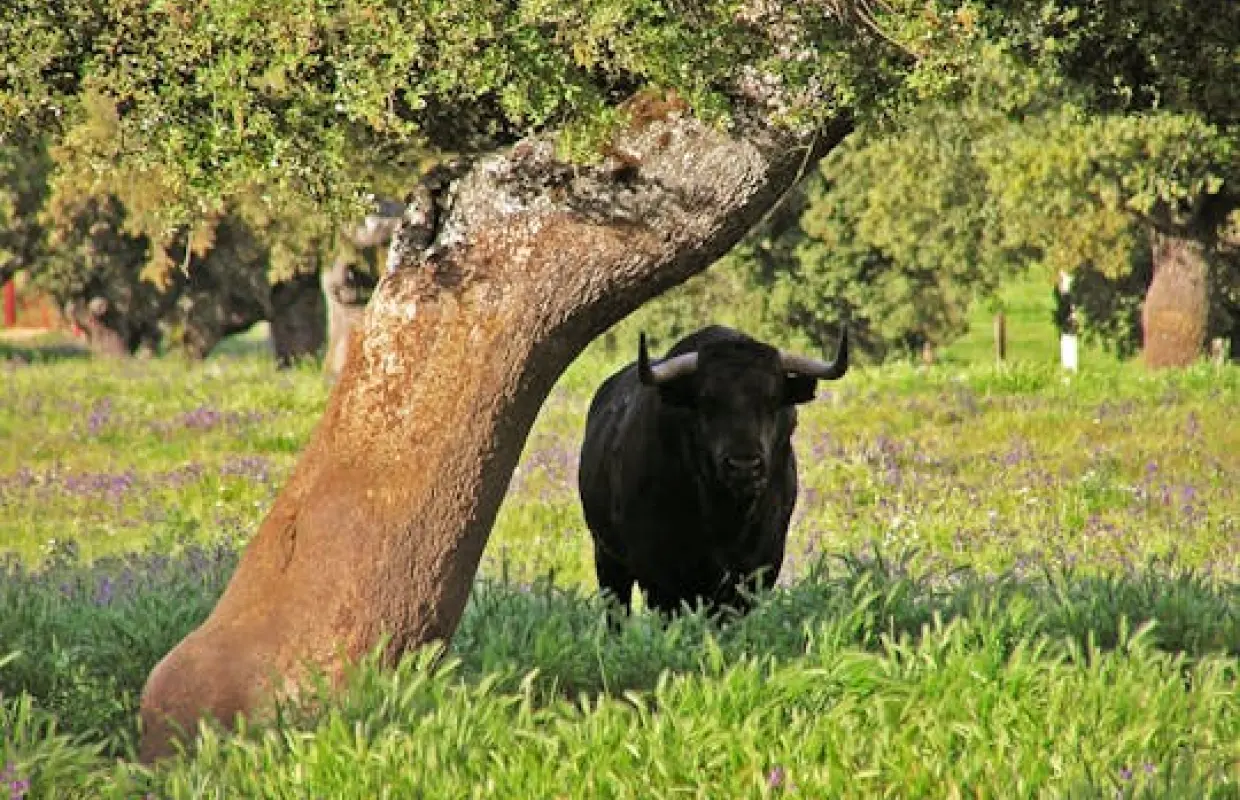


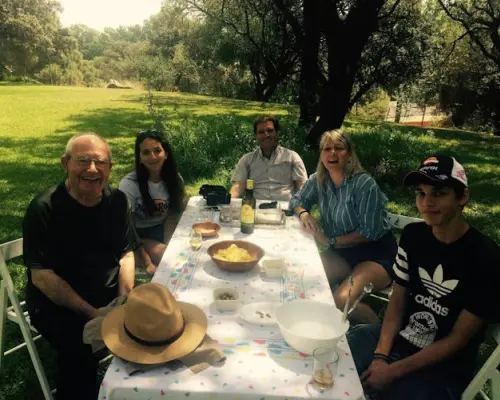
Bull-breeding farm guided half-day tour from Seville
- Enjoy a half-day tour from Seville and watch the Spanish brave bulls in their natural environment. Visit a traditional farm and get to know their traditions.
Package Options


Product Info
Purchase Notice
Reminders
Please refer to your voucher for final information regarding meeting points, pick-up locations, and pick-up time
Meeting point description: Pick-up service at your centrally located accommodation in Seville or a close by meeting point.(Granada, Av. de Menéndez Pelayo, 69, Casco Antiguo, 41003 Sevilla, Spain)
Know in advance:This activity includes pick-up from selected locations in Seville centre, please confirm your pick-up time and location directly with the local partner. You'll find the contact details in your voucher after booking
Exact times and locations are subject to change after booking to readjust the route of the driver
Children must be accompanied by an adult at all times
The tours in French and Italian require a minimum of 4 participants
Remember to bring:Comfortable clothes and shoes
FAQ
1. What ethical breeding practices are followed at a traditional Spanish bull-breeding farm?
Traditional Spanish bull-breeding farms prioritize the genetic health and natural development of their animals. This includes selecting breeding pairs based on lineage, temperament, and physical characteristics to maintain the integrity of the Toro Bravo breed. Bulls are typically raised in extensive natural environments on large pastures, allowing for natural behaviors and social structures, ensuring their welfare and robust development.
2. What is the business model of a traditional Spanish bull-breeding farm, and how does it ensure profitability?
The business model of a traditional Spanish bull-breeding farm primarily revolves around the careful rearing and sale of highly specialized brave bulls, known as Toro Bravo. Profitability is sustained through selective breeding programs, meticulous animal care, and efficient management of extensive pastures. Revenue comes from selling bulls for bullfighting spectacles, as breeding stock, and sometimes for specific cultural events, ensuring a market for their distinct bloodlines.
3. What is the typical breeding capacity of a bull on a Spanish brave bull-breeding farm?
On a traditional Spanish brave bull-breeding farm, the breeding capacity of a bull can vary. Typically, a mature, healthy bull participating in a natural service program might be responsible for breeding a certain number of cows within a season, usually managed carefully to avoid overbreeding and ensure the health of both the bull and the cows. Farm managers carefully monitor their breeding programs to maintain herd health and genetic diversity.
4. What factors determine the market value of Spanish brave bulls raised on a breeding farm?
The market value of Spanish brave bulls is determined by several key factors. These include the bull's lineage and pedigree, its genetic traits for bravery, strength, and nobility, its physical condition and conformation, and the reputation of the breeding farm (ganadería). Age, temperament, and past performance (if applicable for breeding stock) also play significant roles in assessing their value.
5. What are the common methods used to transport Spanish brave bulls on and off a breeding farm?
Spanish brave bulls are transported using specialized, robust trailers designed for large livestock. These trailers ensure the safety and welfare of the animals by providing ample space, secure partitioning, proper ventilation, and non-slip flooring. Transportation is typically carried out by experienced handlers who minimize stress to the bulls during loading, transit, and unloading, adhering to strict animal welfare protocols.
6. What qualifications and regulations are necessary for safely transporting livestock, such as Spanish brave bulls, from a farm?
Transporting Spanish brave bulls requires specific qualifications and adherence to strict regulations to ensure animal welfare and safety. Transporters must possess appropriate licenses for livestock handling, and vehicles must meet national and international standards for animal transport, including proper ventilation, secure compartments, and sufficient space. Additionally, veterinary health certificates and movement permits are mandatory for legal and safe transport.
7. What daily care routines and specific feeding programs are implemented for brave bulls at a breeding farm?
Brave bulls on a breeding farm follow structured daily care routines focused on health and natural development. They graze extensively on pastures, supplemented with specific feed programs tailored to their age, growth stage, and physiological needs, often including cereals and hay. Daily checks by skilled stockmen monitor their health, behavior, and physical condition, ensuring they receive proper nutrition and veterinary oversight.
8. What specialized bull types are typically raised on a Spanish breeding farm, and what are their primary uses?
Traditional Spanish breeding farms primarily raise the 'Toro Bravo' or brave bull, a specialized breed distinct from conventional beef cattle. These bulls are selectively bred for their unique combination of strength, agility, instinct, and noble temperament. Their primary uses are for traditional bullfighting spectacles and for maintaining and enhancing the genetic lines for future breeding stock, preserving a deeply rooted cultural heritage.


