


Package Options
Product Info
Purchase Notice
Reminders
Please refer to your voucher for final information regarding meeting points, pick-up locations, and pick-up time
Meeting point description: Access to the Museum is currently only available via the Sabatini Building (Plaza de Juan Goytisolo) due to the temporary closure of the Nouvel entrance (Ronda de Atocha Street).(Calle Santa Isabel, 52, 28012 Madrid, Spain)
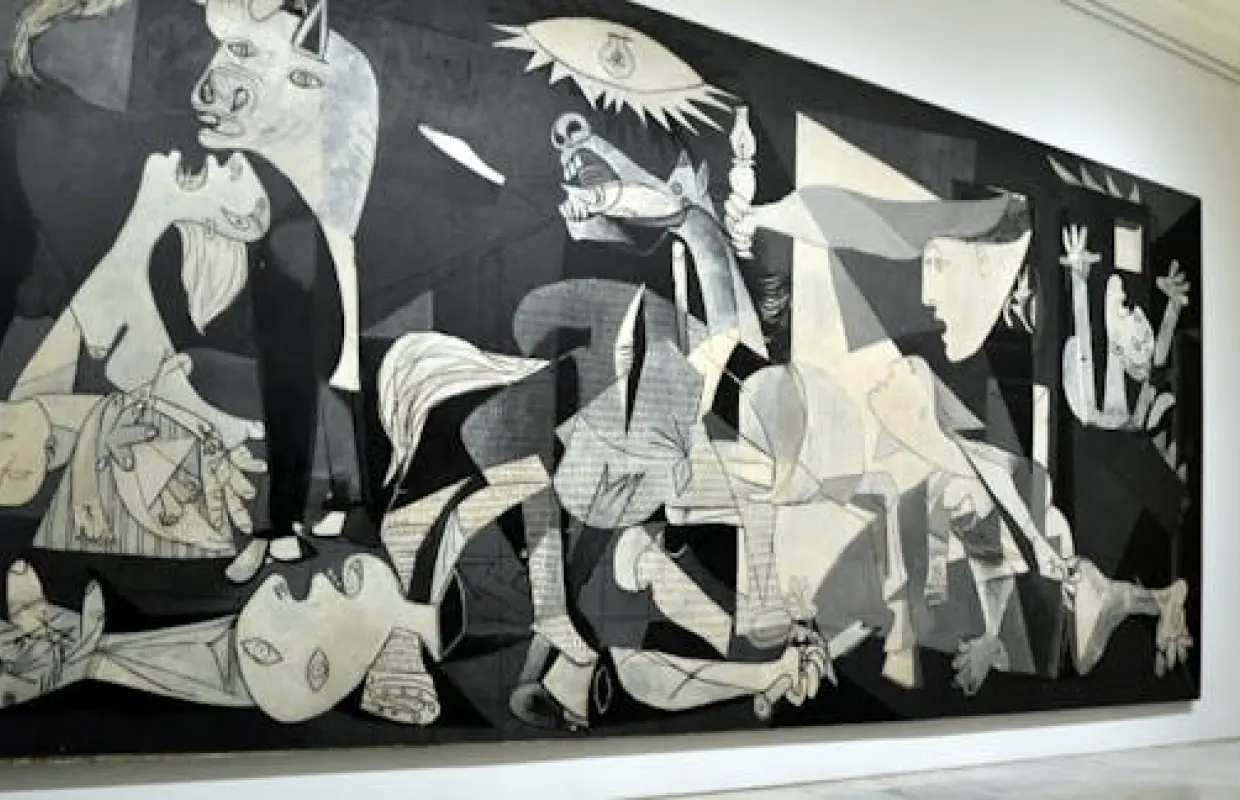
Not allowed:Photos or image recording equipment in area 206 (Picasso's Guernica)
Know in advance:Ticket valid for the date printed. The ticket does not include access to temporary exhibitions that require a time pass or special rate. Please make sure to download and present the PDF ticket attached to the voucher after booking
Free admission (only at the box office with official accreditation document): children under the age of 18, people over the age of 65, students aged 25 and under (international students are recommended to show their ISIC card), holders of youth cards or equivalent documents, people with disabilities
You can visit the museum Monday to Saturday from 10.00am to 7.00pm (closed Tuesdays) and on Sundays from 10.00am to 12.30pm
Important: on Sundays, the sale of tickets at the ticket office will finish at 2.00pm, apart from advanced bookings. Entrance to the museum will be free starting at 1.30pm
Closing days: 1 and 6 January, 1 and 15 May, 9 November, 24, 25 and 31 December. On 24 and 31 December, only Parque del Retiro venues will remain open until 5.00pm
Free admission days: April 18, May 18, May 19, May 22, October 12, December 6
Due to the restoration work of the Sabatini building, the Sabatini garden (indoor garden) will be closed from 1st September 2025 until 19th March 2026
The Sabatini building has ramp access. The Nouvel building has automatic lockers for wheelchair users
Use the cloakroom at the entrance to the Nouvel building for large possessions (please note: the Nouvel has no ramp access)
Photos without flash, tripod, monopod or any other stabilizing element are allowed, except where otherwise indicated
Baby carriages/pushchairs/strollers can be borrowed at the locker service counters or you may bring your own
Attendance at the museum is limited by capacity control
Cloakroom service is available at both entrances
How to Redeem Your Voucher
How to Use Your Voucher
- Please present the e-voucher on-site
Validity Period
- The voucher must be used on the selected date and within operating hours; Invalid after expiration
FAQ
1. What are the must-see artworks at the Reina Sofía Museum?
The Reina Sofía Museum is renowned for its collection of 20th-century Spanish art. The undisputed masterpiece is Pablo Picasso's "Guernica," a powerful anti-war statement. Other significant works include Salvador Dalí's "Face of the Great Masturbator" and "The Great Paranoiac," and Joan Miró's "Man with a Pipe" and "Figure in the Night." These iconic pieces offer a deep dive into modern and contemporary Spanish art movements like Cubism and Surrealism, providing a comprehensive overview of the era.
2. What kind of art can visitors expect to see at the Reina Sofía Museum?
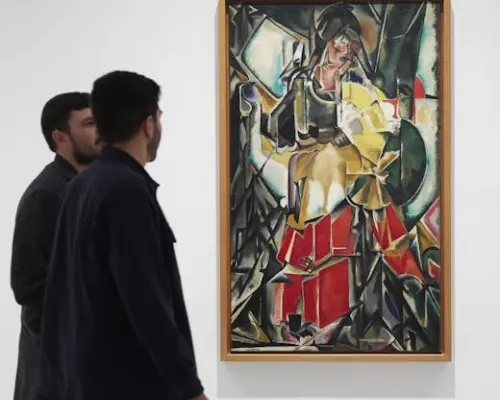
Visitors to the Reina Sofía Museum will primarily encounter 20th-century Spanish modern and contemporary art, with a strong focus on movements such as Cubism, Surrealism, and Abstract Art. The collection features works from influential artists like Pablo Picasso, Salvador Dalí, Joan Miró, and Juan Gris. The museum aims to explore Spain's artistic narrative from the late 19th century through the present day, offering insights into political and social history through its art and diverse exhibitions.
3. How much time should I allocate for a visit to the Reina Sofía Museum?
To fully appreciate the extensive collections, especially Picasso's "Guernica" and other major works, it is recommended to allocate at least 2 to 3 hours for your visit to the Reina Sofía Museum. If you wish to explore all permanent and temporary exhibitions thoroughly, you might need even longer. Planning your route beforehand, focusing on your preferred artists or periods, can help you optimize your time and ensure you see all desired pieces without rushing.
4. Is the Reina Sofía Museum suitable for families with children?
Yes, the Reina Sofía Museum can be suitable for families with children, particularly those with an interest in modern art and history. While some themes might be abstract or mature, iconic works like "Guernica" offer powerful historical context that can be explained to older children. The museum's spacious layout and varied exhibitions can keep children engaged. It's advisable to check their official website for any specific family-friendly activities or guided tours available during your visit.
5. What unique experiences does the Reina Sofía Museum offer beyond its main collections?
Beyond its renowned permanent collections, the Reina Sofía Museum frequently hosts engaging temporary exhibitions that delve into specific artists, periods, or themes within modern and contemporary art. It also features a specialized library and study center focusing on art. The museum building itself, a former hospital, offers interesting architectural elements and open courtyards. Additionally, the museum often screens art-house films and hosts performances, expanding the visitor experience beyond traditional viewing.
6. What are the best public transportation options to reach the Reina Sofía Museum?
The Reina Sofía Museum is conveniently located and easily accessible by public transportation. The nearest metro station is Estación del Arte (Line 1), which is right outside the museum. Atocha train station, Madrid's main railway hub for high-speed trains and Cercanías commuter rail, is also just a short walk away. Numerous bus lines also stop nearby, including lines 6, 10, 14, 26, 27, 32, 34, 36, 41, 45, and 59, making it highly accessible from various parts of the city center.
7. Is the Reina Sofía Museum easily accessible for visitors with mobility concerns?
Yes, the Reina Sofía Museum is designed to be accessible for visitors with mobility concerns. It provides ramps, elevators, and accessible restrooms throughout the building, ensuring smooth navigation between floors and exhibition spaces. Wheelchairs are often available for loan on a first-come, first-served basis at the entrance. The museum's staff is generally helpful in assisting visitors with special needs, aiming to provide a comfortable and enjoyable experience for everyone.
8. What is the process for booking tickets to the Reina Sofía Museum online?
Booking tickets to the Reina Sofía Museum online typically involves selecting your desired visit date and time slot, choosing the number and type of tickets, and then proceeding to a secure payment gateway. Many visitors opt to book through platforms like KKday, which offers a convenient and straightforward booking experience. This often provides immediate confirmation and digital tickets directly to your email, ensuring a smooth entry to the museum without the hassle of long queues and maximizing your time to enjoy the art.


