
Get Exclusive App Deals
Northwest Territories




Top 10 Must-Do Experiences and Attractions in Northwest Territories


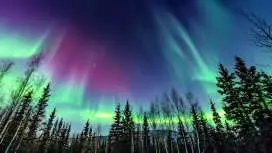
![[Time-Limited 10% OFF] Yellowknife 4-Day Tour: Aurora Viewing in Glass Teepee & City Sightseeing | Northwest Territories, Canada](https://image.kkday.com/image/get/c_fill%2Ch_153%2Cq_55%2Ct_webp%2Cw_272/s1.kkday.com/product_148959/20250710023733_8nTVR/png)


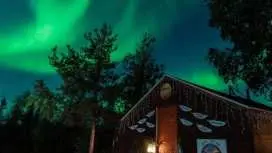
![[Time-Limited 10% OFF] Yellowknife 5-Day Tour: Aurora Viewing in Glass Teepee & City Sightseeing With Airport Transfer | Canada](https://image.kkday.com/image/get/c_fill%2Ch_153%2Cq_55%2Ct_webp%2Cw_272/s1.kkday.com/product_147660/20250709080918_tZd99/png)


Northwest Territories Trending place to visit

Latest launches and promotions in Northwest Territories






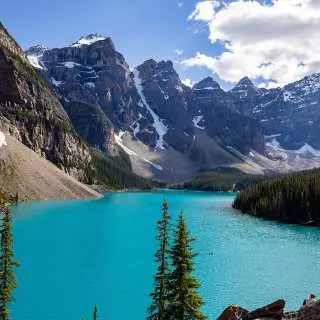
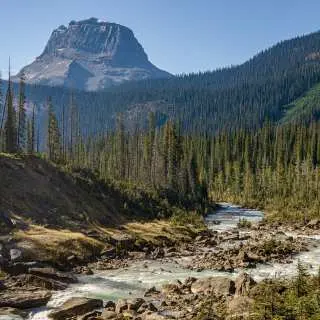
Recommended travel destinations near Northwest Territories


Northwest Territories Weather, Climate and Best Time to Visit
Data source:Meteostat
Update date:2025-09
Northwest Territories year round climate
- Spring (March–May): Average -4.0–8.2°C, cold climate, windy, rainfall gradually increases. Common activities: Aurora viewing (if later in spring), snow activities (e.g., snowshoeing, depending on snow conditions). Recommended clothing: Warm jacket, hat, scarf, gloves, waterproof pants and shoes.
- Summer (June–August): Average 10.9–15.5°C, cool climate, June has the most rainfall, which gradually decreases afterwards. Common activities: Hiking, boating, fishing, wildlife viewing. Recommended clothing: Lightweight warm jacket, long pants, waterproof jacket.
- Autumn (September–November): Average 10.2–-4.9°C, cold climate, decreasing rainfall, snow begins to fall. Common activities: Aurora viewing, autumn hiking (depending on weather conditions). Recommended clothing: Warm jacket, hat, scarf, gloves, waterproof pants and shoes.
- Winter (December–February): Average -6.8–-5.3°C, very cold climate, dry, little snowfall. Common activities: Snow activities (sledding, snowmobiling), aurora viewing. Recommended clothing: Heavy warm jacket, hat, scarf, gloves, waterproof pants and shoes, layered clothing.
Northwest Territories climatological average
Annual average temperature: approx. 3.2°C / Annual rainfall: approx. 603 mm / Summer humidity: 60%–70% / Rainiest month: June
Northwest Territories monthly average temperature and precipitation
Month
Air temperature (°C)
Precipitation (mm)
January
-6.8°C
17
February
-5.3°C
25.3
March
-4°C
17.1
April
1.5°C
30.1
May
8.2°C
101.5
June
10.9°C
159.7
July
15.5°C
67.5
August
14.6°C
65.8
September
10.2°C
20.9
October
4.6°C
51.1
November
-4.9°C
37.3
December
-6°C
10.4
Northwest Territories weather for the next seven days
7/15
Wednesday
Smoky haze
28.1°C/14°C
7/16
Thursday
Smoky haze
21.8°C/18.1°C
7/17
Friday
Partly Cloudy
19.7°C/10.5°C
7/18
Saturday
Smoky haze
23.2°C/10.3°C
7/19
Sunday
Smoky haze
21.6°C/14.1°C
7/20
Monday
Sunny
18.3°C/9.8°C
7/21
Tuesday
Sunny
16.5°C/8.6°C


