


Twin City Tour (Cebu City & Lapulapu) by Southwest Tours
- Explore the famous landmarks of these two híghly urbanized cities in Central Visayas Region.
- Discover why Cebu City was declared as the “Queen City of the South” and Lapu-Lapu City as a “Historic Resort City”.
Package Options


Product Info
Purchase Notice
- 8 to 10 hours activity.
- No age requirements. Children 2 years old and below are free of charge.
- Lunch is not included.
- Cebu Museum (Museo Sugbo) is only open from Mondays to Fridays, some destinations may be closed and may not be accessible so guests will be brought to an alternative tourist site.
Reminders
A minimum of 1 traveler(s) are required for the tour to depart. If the number of participants does not reach the minimum requirement, the tour will be canceled. An email regarding tour cancellation will be sent 1 day(s) before the departure date
FAQ
1. What are the must-see historical sites and cultural landmarks in Cebu City and Lapulapu?
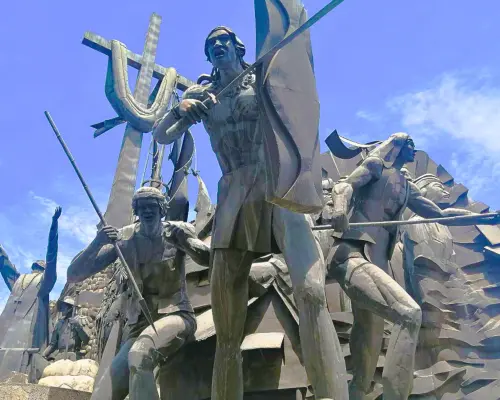
Cebu City offers significant historical sites like Magellan's Cross and the Basilica del Santo Niño, marking the arrival of Christianity. Fort San Pedro, a Spanish-era fortress, is also a key landmark. In Lapulapu City, the Lapu-Lapu Shrine commemorates the first Filipino hero and the historic Battle of Mactan.
2. What unique local experiences can visitors enjoy in Cebu City?
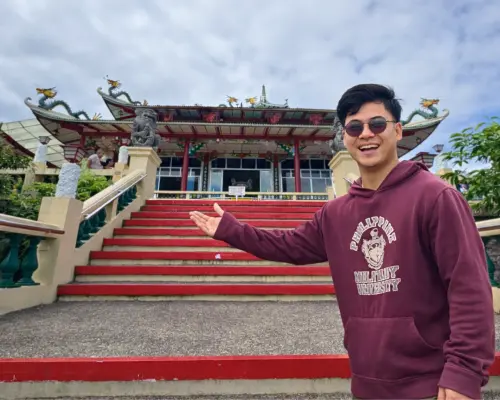
Beyond historical sites, visitors can immerse themselves in Cebu's vibrant culture by exploring local markets like Carbon Market, trying unique street food at pungko-pungko stalls, or visiting the serene Taoist Temple for panoramic city views. Experiencing a traditional 'sutukil' seafood meal (Sugba-Tula-Kilaw) is also a must.
3. What language is commonly spoken in Cebu City and Lapulapu, and how can visitors communicate effectively?
The primary language spoken in Cebu City and Lapulapu is Cebuano (also known as Bisaya). Tagalog, the national language, is also widely understood. English is generally spoken and understood in tourist areas, hotels, and by many locals, making communication for visitors relatively easy.
4. What are the recommended transportation options for exploring attractions in Cebu City and Lapulapu?
For navigating Cebu City and Lapulapu, visitors can utilize various transportation options. Public transport includes jeepneys and tricycles for shorter distances. Taxis are widely available, and ride-hailing apps like Grab offer convenient and reliable services for exploring different attractions.
5. Are ride-hailing apps like Grab available and recommended for tourists visiting Cebu City and Lapulapu?
Yes, ride-hailing apps like Grab are widely available in Cebu City and Lapulapu and are highly recommended for tourists. They provide a convenient, safe, and transparent way to get around, offering fixed fares and the ability to track your ride. It's an excellent option for direct travel between attractions.
6. What is the significance of Magellan's Cross in Cebu City's history?
Magellan's Cross holds immense historical significance as it marks the spot where Ferdinand Magellan planted a cross upon his arrival in Cebu in 1521. This event is considered the birth of Christianity in the Philippines, making it a crucial symbol of the nation's conversion to Catholicism and a revered pilgrimage site.
7. Where is the Lapu-Lapu Shrine located, and what can visitors learn there?
The Lapu-Lapu Shrine is situated on Mactan Island in Lapu-Lapu City. It honors Datu Lapu-Lapu, the chieftain who famously defeated Ferdinand Magellan in the Battle of Mactan in 1521. Visitors can learn about this pivotal moment in Philippine history, symbolizing early Filipino resistance against foreign colonization.
8. What local delicacies or unique food experiences should I try when visiting Cebu City and Lapulapu?
Cebu is renowned for its culinary delights. A must-try is the famous Cebu Lechon, often considered the best roasted pig in the Philippines. Other local specialties include kinilaw (Filipino ceviche), pungko-pungko street food experience, and various fresh seafood dishes, particularly in Lapulapu City's coastal areas.


