



Yamanashi Spring Tour: Weeping Cherry & Strawberry Picking from Tokyo
- A true Japanese spring spectacle: weeping cherry blossoms at Minobu Kuonji Temple
- All-you-can-eat strawberry picking featuring five varieties at one of the largest farms in the prefecture
- A 7-minute scenic ride on the Minobu Ropeway, offering breathtaking aerial views
- Sukiyaki set lunch made with premium domestic beef and seasonal ingredients
Product Info
Purchase Notice
This tour is a Japanese tour. The tour conductor will provide language support using a translator (Pocket Talk). Multilingual support available.
If the minimum number of 6 participants is not met, or if the tour cannot operate due to force majeure such as disasters or accidents, the itinerary may be changed or the tour canceled up to 3 days prior to departure
Flowering periods are scheduled based on average yearly conditions; however, peak bloom times may vary depending on weather.
The tour will operate once the minimum number of participants is reached, regardless of flower conditions.
Lunch menu items may change depending on ingredient availability.
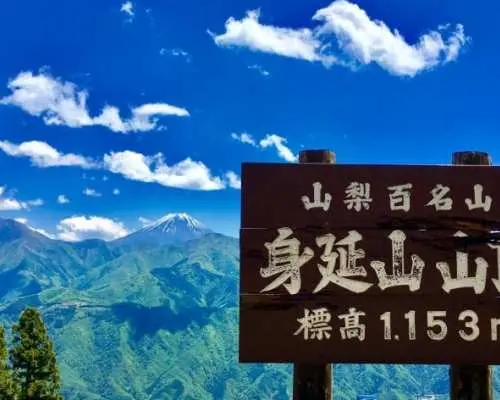
Mt. Fuji views are subject to weather conditions and may not be visible.
Reminders
After the scheduled departure time, the tour will depart at the discretion of our staff. Please arrive strictly on time.
Scheduled times and itinerary details are subject to change due to road or traffic conditions.
In the event of late arrival requiring taxi use or additional accommodation, we cannot accept any related claims or expenses.
Depending on the number of participants, a medium-sized or small bus may be used.
The bus is not equipped with a restroom.
Smoking is prohibited on the bus. Seat reclining is generally not permitted (except on select tours).
No refunds or compensation will be provided for unused benefits or inclusions.
If you have food allergies, please inform the staff at the time of booking. We will make reasonable efforts to remove the relevant ingredients.
Requests for special arrangements must be made at the time of booking. Additional charges may apply. Requests will be accommodated where possible, and written confirmation of your circumstances may be required.
In accordance with Japanese labor regulations effective April 1, 2019, meal times during the tour may serve as the tour conductor’s rest period. In some cases, the tour conductor may stay at a different accommodation. During free time, guests are generally expected to explore independently.
Lost items will be kept for two weeks after the tour ends. Perishable items or items difficult to store will be disposed of immediately.
Participation with pets is not permitted.
Bus seat assignments are determined by the company.
In emergencies, guests may be seated together with the tour conductor.
If the minimum number of 6 participants is not met, or if the tour cannot operate due to force majeure such as disasters or accidents, the itinerary may be changed or the tour canceled up to 3 days prior to departure (13 days prior for tours including accommodation).
Requests for seat preferences, smoking/non-smoking hotel rooms, or allergy accommodations may not always be met and may be declined in advance after explanation.
For online bookings, all information will be provided by email only. No documents will be sent by post.
Cancellation Policy
- Cancellations 11 day(s) (inclusive) before the selected date are allowed. Unused orders can be canceled for free
- For cancellations made 8 to 10 days prior to selected date, a cancellation fee of 20% will apply
- For cancellations made 2 to 7 days prior to selected date, a cancellation fee of 30% will apply
- For cancellations made 1 to 1 days prior to selected date, a cancellation fee of 40% will apply
- Cancellation is not allowed between 0–0 days from the selected date. Orders cannot be canceled or modified, and refunds will not be granted.
- Due to time zone differences, the confirmed cancellation date is based on the supplier’s local time. Please allow 2–5 business days to process your cancellation request, after which the cancellation fee will be charged according to the product’s cancellation policy. Once the cancellation is confirmed, you will receive your refund within 14 working days.
FAQ
The weeping cherry blossoms at Kuonji Temple in Minobu typically reach their peak bloom from late March to early April each year. During this period, the cherry trees within and around the temple grounds are in full bloom, with the 400-year-old weeping cherry tree being particularly spectacular. We recommend visiting during this time to experience the limited-edition pink romance of Japanese spring. As the flowering period may be slightly adjusted due to weather, it's advisable to check the latest local bloom information before your trip.
During the approximately 7-minute aerial journey on the Minobu Ropeway, you can enjoy breathtaking panoramic views of the surrounding landscape from high above. On clear days, you might catch sight of magnificent views of Mt. Fuji, the Southern Alps, the Yatsugatake mountain range, and Suruga Bay. Especially during the cherry blossom season, you can also overlook Kuonji Temple in Minobu, enveloped in a sea of pink blossoms.
During the strawberry picking experience in Yamanashi, you can typically taste at least five different varieties of strawberries at one of the prefecture's largest strawberry farms. Common varieties may include the sweet and juicy 'Akihime', the balanced sweet and tart 'Beni-hoppe', and other local varieties with unique flavors. This is an all-you-can-eat experience, allowing you to fully enjoy the deliciousness and fun of fresh strawberries.
Kuonji Temple in Minobu is not only famous for its weeping cherry blossoms. As the head temple of Nichiren Shoshu, it is a historic Buddhist temple with majestic architecture and rich cultural heritage. You can visit buildings such as the Main Hall and the Grand Master's Hall to experience their grandeur and tranquility. The five-story pagoda within the temple is also a major highlight. Furthermore, the serene environment here is ideal for a stroll and quiet reflection.
Spring in Yamanashi Prefecture is full of vitality and unique characteristics. In addition to the must-see weeping cherry blossoms, such as the ancient cherry trees at Kuonji Temple in Minobu, spring is also the best season for picking fresh strawberries, offering the joy of hand-picking and tasting various varieties. Moreover, taking a ropeway to overlook the spring mountain scenery from above is another unique way to experience Yamanashi's spring beauty, making your trip even richer and more diverse.
A sukiyaki lunch in Yamanashi typically features high-quality domestic beef as the main ingredient, known for its tender texture and rich flavor. It is also paired with local seasonal vegetables such as shiitake mushrooms, scallions, tofu, and kuzu (arrowroot), ensuring freshness and seasonality. The broth is prepared with a classic sweet and savory sauce, offering a warm and hearty Japanese delicacy, and is a great opportunity to experience local cuisine.
When traveling to Yamanashi Prefecture, in addition to picking experiences, you can explore a wealth of natural and cultural attractions. For instance, you can visit Kuonji Temple in Minobu to admire its grand temple architecture and the weeping cherry blossoms in spring. Riding the Minobu Ropeway offers panoramic views of magnificent mountains, including Mt. Fuji. Yamanashi is also renowned as a quality wine-producing region, with some wineries offering tours and wine tasting experiences.
The most convenient way to travel from Tokyo to the Kofu area in Yamanashi is by taking JR Chuo Line Limited Express trains, such as the 'Azusa' or 'Kaiji' services, which will take you directly to Kofu Station in about 1.5 to 2 hours. Alternatively, there are also highway bus services departing from Shinjuku and other locations, with a travel time of around 2 hours, offering a more economical option. Both methods provide easy access to Yamanashi's main gateway.
Get Help


