


[Departing from Seoul] Small Group Night Dining Tour: Tasting Tour with Authentic KBBQ
- Small group guided Seoul culinary tour!
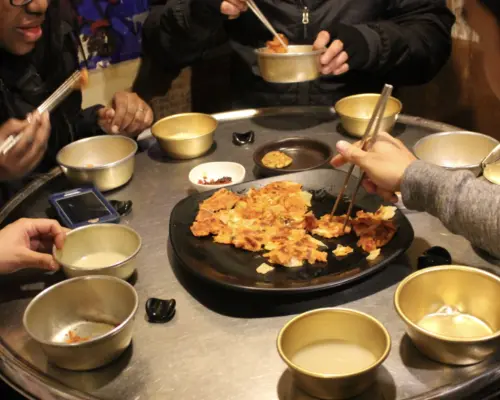
- Taste exciting Korean dishes such as kimchi, Korean barbecue, and savory pancakes!
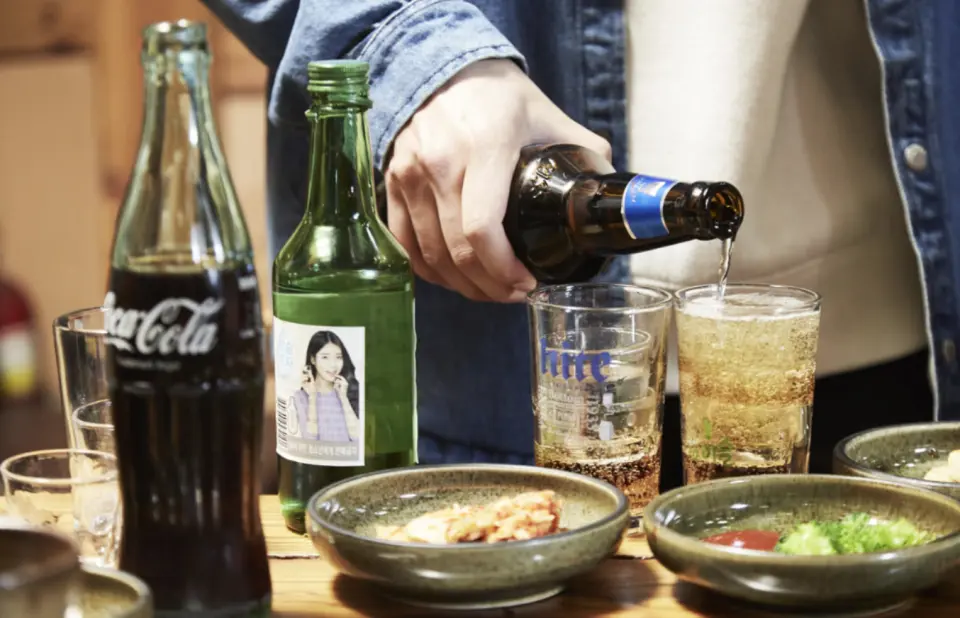
- Try various unique Korean alcoholic beverages such as makgeolli and soju.
- Learn about Korean food culture from a fun and professional guide.
- Small group tours ensure a personalized and unforgettable experience.
Package Options


Product Info
- Learn about Korean culinary culture through a Seoul food tour.
- Stroll through the streets with a local culinary expert and visit local food stalls, restaurants, and food markets or villages.
- Taste a variety of foods such as Korean barbecue, Korean pancakes, and spicy tteokbokki.

Purchase Notice
- If the selected date is not fully booked or reservations cannot be made for other reasons, we will notify you via email at least 2 days in advance regarding the tour departure.
- On rainy or cold days, you will need to use public transportation. You will need to prepare your own public transportation fare.
- Tour content may change depending on circumstances.
- Children under 5 years old can participate for free (alcohol consumption is not allowed).
Reminders
If the selected date is not fully booked or reservations cannot be made for other reasons, we will notify you via email at least 2 days in advance regarding the tour departure.
On rainy or cold days, you will need to use public transportation. You will need to prepare your own public transportation fare.
Tour content may change depending on circumstances.
⚠️ All of our travel itineraries do not include personal travel insurance. Outdoor activities have certain risks and dangers. Guests should assess their own health and abilities. The company is not responsible for any physical damage or harm caused by accidents or unforeseen factors.
Cancellation Policy
- Cancellations 4 day(s) (inclusive) before the selected date are allowed. Unused orders can be canceled for free
- For cancellations made 3 to 3 days prior to selected date, a cancellation fee of 50% will apply
- Cancellation is not allowed between 0–2 days from the selected date. Orders cannot be canceled or modified, and refunds will not be granted.
- Due to time zone differences, the confirmed cancellation date is based on the supplier’s local time. Please allow 2–5 business days to process your cancellation request, after which the cancellation fee will be charged according to the product’s cancellation policy. Once your refund request is confirmed, KKday will initiate the refund to your original payment method within 15 days. The actual refund timing depends on your card-issuing bank’s policy.
FAQ
1. What defines authentic Korean barbecue?
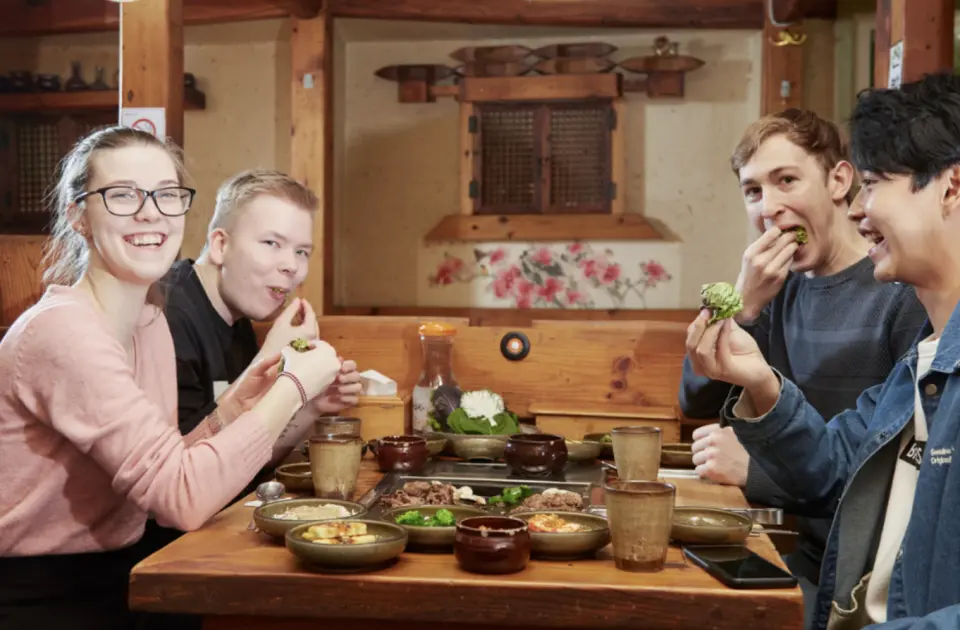
Authentic Korean barbecue is characterized by grilling various cuts of marinated or unmarinated meat, typically beef, pork, or chicken, at the diner's table. It emphasizes fresh ingredients, a communal dining experience, and is often accompanied by an array of banchan (side dishes) and fresh vegetables for wrapping. The interaction of grilling and sharing is central to the experience.
2. What are the unique characteristics of Korean barbecue?
Its uniqueness lies in the interactive grilling experience, where diners cook their own meat on tabletop grills. This is complemented by diverse banchan, often refillable, and ssam (lettuce wraps) allowing diners to customize each bite with various sauces and toppings. The communal aspect and a focus on fresh, flavorful ingredients distinguish it from other barbecue styles.
3. What types of meat and side dishes are typically served at a Korean barbecue meal?
Common meats include thinly sliced beef brisket (chadolbaegi), marinated short ribs (galbi), and pork belly (samgyeopsal). Essential side dishes (banchan) feature kimchi, marinated bean sprouts, pickled radish, seasoned spinach, and various dipping sauces. Fresh lettuce, perilla leaves, and garlic are also provided for creating personalized wraps.
4. What is the traditional way to enjoy Korean barbecue with accompaniments?
Traditionally, diners grill meat to their preference, then wrap a piece in a fresh lettuce or perilla leaf. Additions often include a slice of garlic, a dab of ssamjang (spicy dipping sauce), kimchi, or other banchan, creating a personalized savory bite. It's a hands-on, communal eating style meant for sharing and savoring diverse flavors.
5. Besides Korean barbecue, what other traditional Korean foods, like kimchi and savory pancakes, can be explored during a tasting tour?
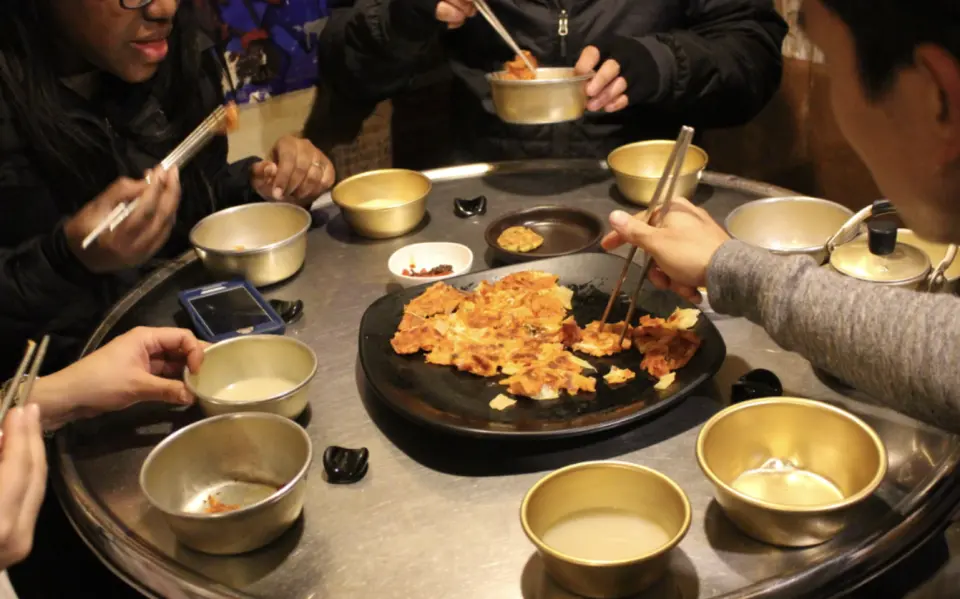
A culinary tasting tour often features iconic dishes beyond Korean barbecue. You can typically explore the rich flavors of kimchi, which is fermented cabbage or radish, central to Korean cuisine. Savory pancakes (jeon), such as pajeon (green onion pancake) or kimchi jeon, offer a delightful texture and taste, showcasing the versatility of Korean ingredients.
6. What types of traditional Korean alcoholic beverages, such as makgeolli and soju, are typically paired with a Korean dinner?
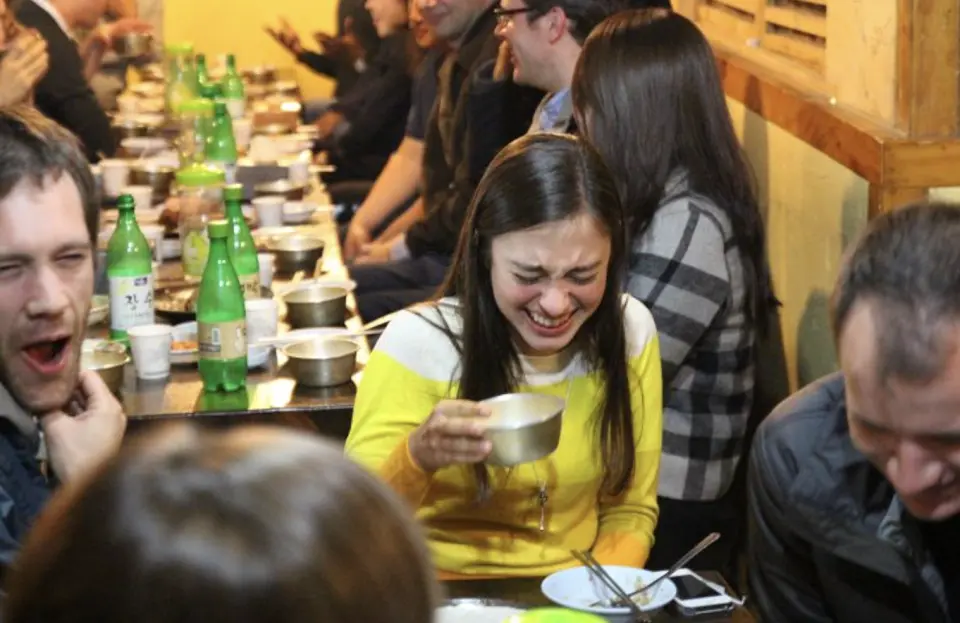
Makgeolli, a milky, lightly carbonated rice wine, is a popular choice, known for its smooth, slightly sweet, and tangy profile that complements rich foods. Soju, a clear distilled spirit often made from rice, is another staple, frequently enjoyed neat or in cocktails. Both beverages enhance the flavors of a traditional Korean dinner experience.
7. How does an expert guide enhance the understanding of Korean food culture during a night dining tour?
An expert guide provides valuable insights into the history, preparation, and cultural significance of each dish, enriching the dining experience. They can explain dining etiquette, recommend pairings, and share anecdotes that bring the food culture to life, transforming a meal into an educational and immersive journey. This personalized interaction deepens appreciation for Korean culinary traditions.
8. How does a small group setting influence the culinary experience of tasting authentic Korean dishes?
A small group setting allows for a more intimate and personalized culinary experience. It facilitates easier interaction with the expert guide, enabling deeper discussions about Korean food culture and dining customs. This fosters a comfortable environment for asking questions, receiving tailored recommendations, and enjoying the authentic dishes with a close-knit feel.


