

Thai Dance Class by Thai Glam Studio in Bangkok | Thailand
Explore Thai dance's cultural significance at Thai Glam Studio, blending tradition and expression. Join a class to promote fitness and preserve Thai culture.
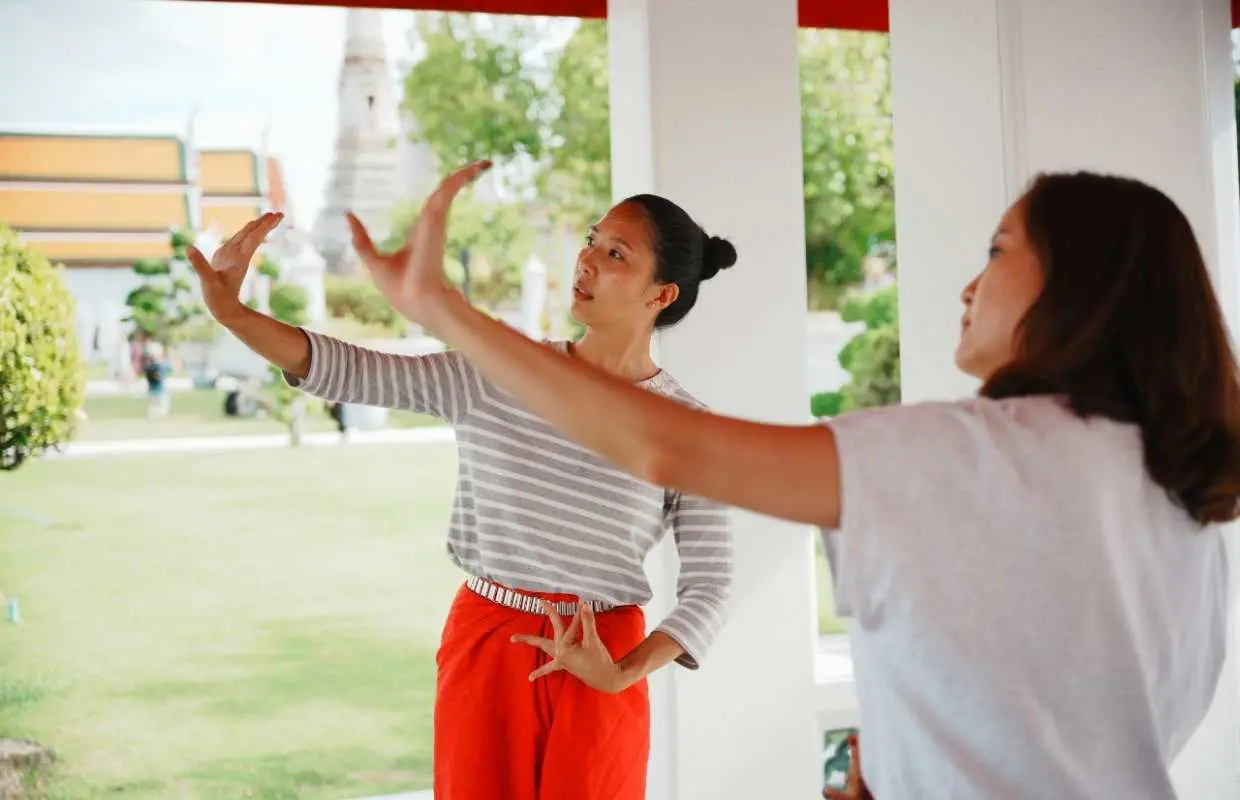
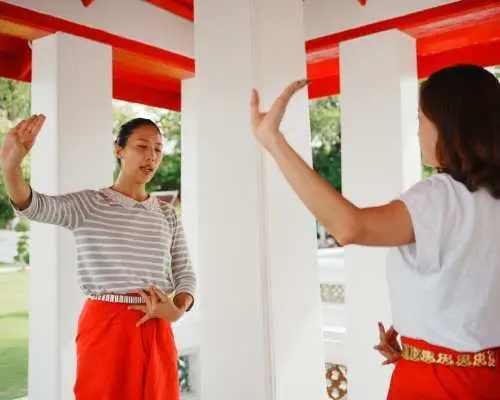
- Master Thai traditional dance with an expert team, ideal for beginners and experts alike
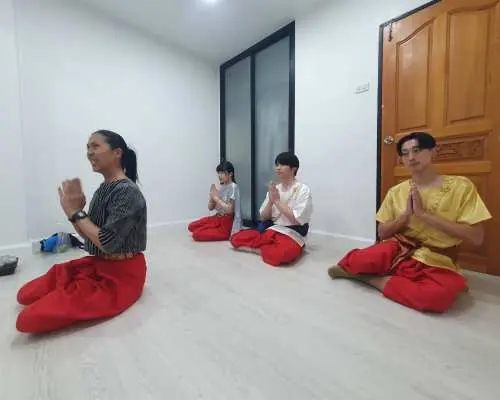
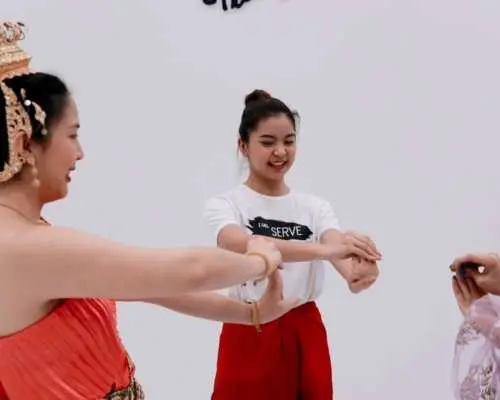
- Wear a Thai traditional costume with accessories
- Enjoy the inclusive welcome set (Thai herb and Thai dessert)
Package Options
Cultural Experiences
| Location | Indoor |
| Activity level | Beginner |
| Experience type | Dance class |
Product Info
Purchase Notice
- Due to the small size of the studio at Wat Arun, bookings with more than 3 people may be redirected to a larger studio near Icon Siam, not at Wat Arun
- To request Chinese or Korean instruction, please book at least 2 days in advance so a teacher proficient in the respective language can be arranged
- Feel free to contact the shop via the KKday message for more information
Includes/Excludes
Reminders
Please arrive at the designated location 10 minute(s) before the scheduled departure time, as the tour will depart on time
Due to the small size of the studio at Wat Arun, bookings with more than 3 people may be redirected to a larger studio near Icon Siam, not at Wat Arun
To request Chinese or Korean instruction, please book at least 2 days in advance so a teacher proficient in the respective language can be arranged
Feel free to contact the shop via the KKday message for more information
How to Redeem Your Voucher
How to Use Your Voucher
- Please present the e-voucher on-site
Experience Location
Location Name: Thai Glam Studio at Wat Arun
Address: 243 Thanon Wang Doem, Wat Arun, Bangkok Yai, Bangkok 10600Cancellation Policy
- Cancellations 2 day(s) (inclusive) before the selected date are allowed. Unused orders can be canceled for free
- Cancellation is not allowed between 0–1 days from the selected date. Orders cannot be canceled or modified, and refunds will not be granted.
- Due to time zone differences, the confirmed cancellation date is based on the supplier’s local time. Please allow 2–5 business days to process your cancellation request, after which the cancellation fee will be charged according to the product’s cancellation policy. Once the cancellation is confirmed, you will receive your refund within 14 working days.
FAQ
Thai dancing generally encompasses various styles, with two main categories: classical (Nattasin) and folk (Nataporn). A Thai Glam Studio class often introduces foundational elements, possibly including Ram Thai (classical dance) and specific folk dances like Fon Leb or Likay, focusing on basic movements, posture, and hand gestures unique to Thai performance arts.
In Bangkok, traditional Thai dance performances can be seen at cultural dinner shows, such as those found at Sala Rim Naam at Mandarin Oriental or the Siam Niramit show. The National Theatre sometimes hosts classical performances, and smaller cultural centers or even some temple festivals occasionally feature local dance troupes.
Fundamental hand gesture techniques in Thai dance include the "Jip" (pinching thumb and forefinger with other fingers fanned out), "Tang Wong" (raised hand with palm parallel to the shoulder), and "Chana" (similar to Tang Wong but with palm facing outward). These precise movements convey emotion and narrative, and are a core focus in classes at Thai Glam Studio.
Likay is a vibrant, improvisational folk theatre form of Thai dance, characterized by its colorful costumes, exaggerated makeup, and a blend of singing, dancing, and comedic dialogue. It often features popular storylines, traditional music, and direct interaction with the audience, making it distinct from classical Thai dance with its formal movements.
Fon Leb, or the "Finger Dance," is distinguished by its intricate, graceful finger movements and long, ornate gold or silver finger extensions worn by performers. Originating from Northern Thailand, it's typically a solo or group dance characterized by slow, fluid motions and a delicate, elegant aesthetic, embodying traditional Lanna culture.
Ram Thai refers to classical Thai dance, a highly refined art form rooted in ancient court traditions. It is characterized by its elegant, stylized movements, intricate hand gestures, and expressive facial postures, often depicting stories from the Ramakien epic. Its precision, symbolism, and graceful aesthetic make it a cornerstone of classical Thai performing arts.
Participants in a Thai Glam Studio dance class can expect a welcoming environment suitable for all skill levels. The class typically includes an introduction to Thai dance history, warm-up exercises, instruction on basic postures and hand gestures, and learning a short, traditional dance sequence. Dressing in traditional Thai costumes and enjoying a welcome set of Thai refreshments are also part of the experience.
Yes, wearing traditional Thai costumes with accessories is included as part of the Thai Glam Studio dance class experience. Participants have the opportunity to dress in authentic attire, which enhances the cultural immersion and allows for a more comprehensive appreciation of Thai performing arts during their lesson.
Get Help


