


Korea Autumn Foliage Secret Spot! Hwadam Botanic Garden Day Tour / Korean Folk Village + Hwaseong Fortress + Jebudo Island Cable Car Day Tour | Depart from Seoul
<<More Korea Attraction Recommendations>>
Must-visit Suburban Attractions > Winter Sonata Nami Island&Gapyeong Sheep Ranch🚤
Experience a Different Side of Local Korean Culture > Baek Jong-won Market Food Tour
Family Fun > Luge & Asia's Largest LEGOLAND🎡
Explore Korea's Ancient Capital and Experience History & Culture > Jeonju Hanok VillageHanbok Experience
Autumn Foliage > Bulguksa Temple in Gyeongju, Seoraksan National Park in Gangwon-do, Naejangsan National Park in Jeolla-do🍁
Girly Heart Explosion > Pink Muhly & Kochia💓
The Whole World is Golden > Ginkgo Forest💛
Package Options


Product Info
-Itinerary Introduction-
- Hwadam Botanic Garden
Step into Hwadam Botanic Garden and take in the beauty of all four seasons. This magical arboretum is surrounded by nature and filled with colorful plants and flowers, allowing travelers to enjoy a peaceful time in a picturesque environment. In April, Hwadam Botanic Garden is in full cherry blossom bloom, with an endless sea of pink flowers that are dazzling and add to the beauty of this botanical garden. Don't miss the perfect timing to experience the cherry blossoms blooming against a serene backdrop this spring!
- Korean Folk Village
The Korean Folk Village is an open-air museum that offers a glimpse into Korea's rich cultural heritage. With over 260 traditional houses and buildings, visitors can immerse themselves in the past, enjoy traditional performances, handicrafts, and authentic village life. A must-visit for history and culture lovers!
- Korean Strawberry Farm
Visit a Korean strawberry farm to hand-pick seasonal, fresh red strawberries. Enjoy them fresh on the spot—sweet and juicy. Experience the full joy of the farm and feel the sweet moments of Korea's winter and spring seasons. A popular itinerary for families!

Participate for a chance to win prizes
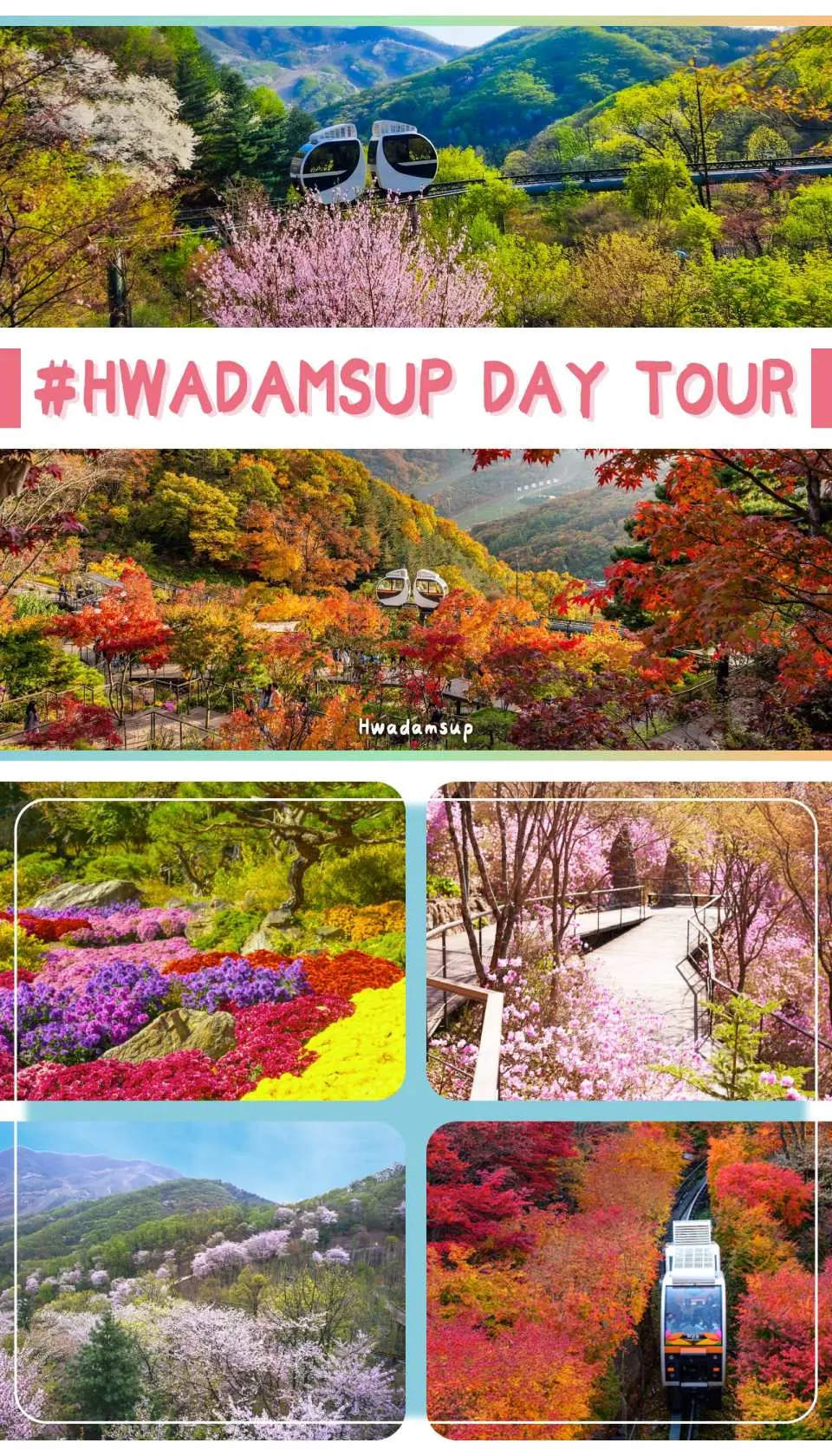
In March, Hetanlin Park is adorned with vibrant daffodils. If you happen to visit during cherry blossom season, you'll see pink cherry blossoms and golden daffodils vying for attention. In summer, you can enjoy the hydrangea festival, a popular weekend getaway for local Koreans seeking a tranquil retreat. During peak tourist season, everyone wants to ride the hard-to-get monorail, but even without a reservation, strolling through the park and taking photos at the various monorail stations offers even more memorable moments – a truly worthwhile experience!

Peace Talks Forest - Autumn Scenery

Korean Folk Village X Suwon Hwaseong Fortress X Jebu Island Cable Car

Korean Folk Village

Suwon Hwaseong
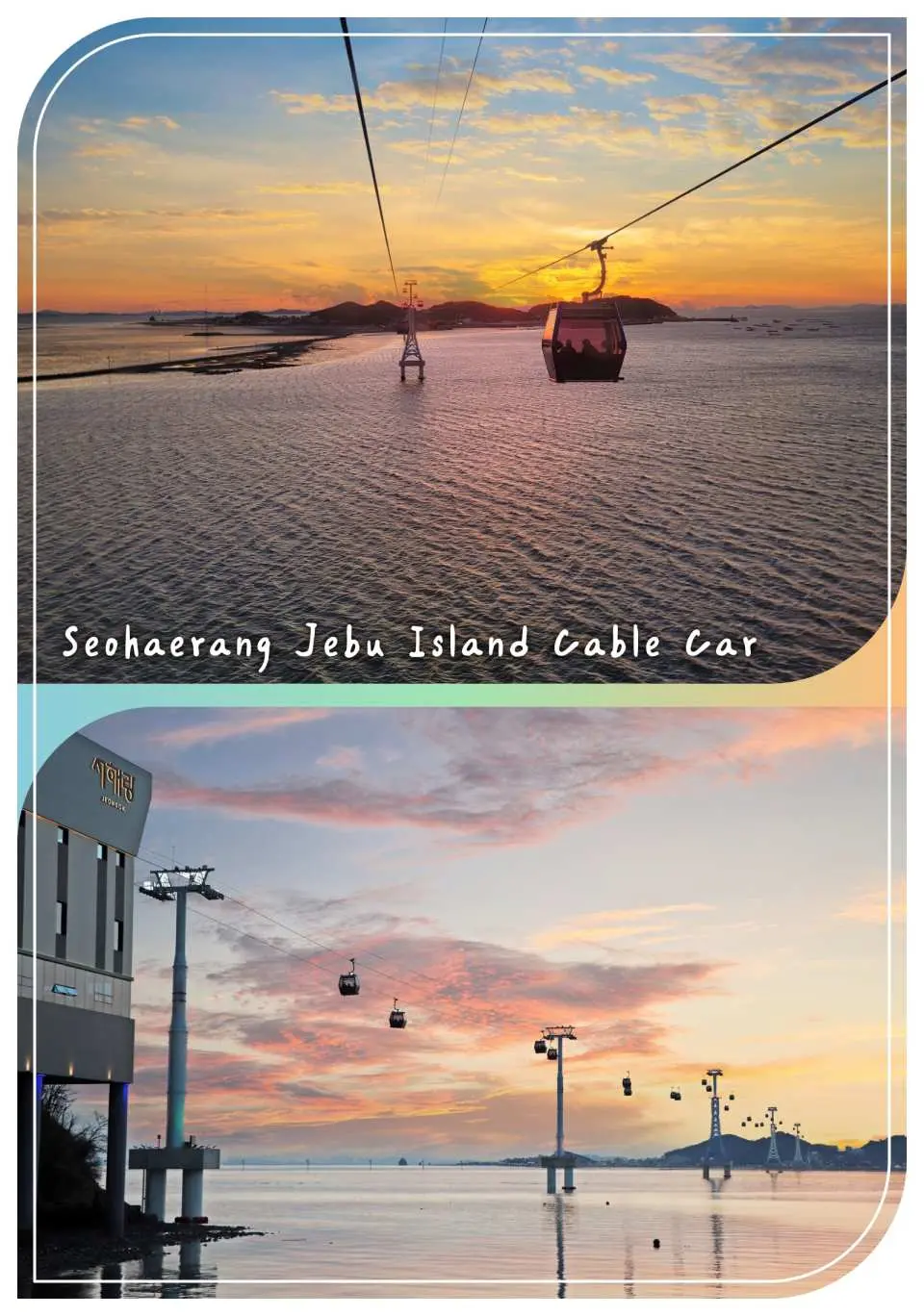
Jifu Island Sea Cable Car

South Korean strawberry farm


Purchase Notice
- Children under 3 years old who do not occupy a seat can join the tour for free (excluding the Hwadam Botanic Garden Day Tour), but meals, admission fees, and seats are not included. Please specify this in the remarks section when booking. (**Hwadam Botanic Garden Day Tour: Children under 2 years old who do not occupy a seat can join for free**)
- The default tour language is Chinese or English. Please indicate your preferred language on the payment page. (If the reservation is full or the minimum number of participants is not met, arrangements will be made accordingly; thank you for your understanding.)
- If you are booking separately from your travel companions, please provide the total number of members in the separate bookings and the name of each member in the remarks.
- This product is only available for purchase by foreign passport holders. We apologize that we cannot provide services to Korean citizens.
- A passport is required for entry into Hwadam Botanic Garden; please be sure to bring it with you.
- If the tour is canceled due to insufficient participants, we will notify you to reschedule or offer other options. If you wish to cancel, you may apply for a refund directly on the platform. Please keep an eye on your email notifications before departure.
- Strawberry picking experience (each person can take home 400g)
- The blooming conditions at Hwadam Botanic Garden vary depending on weather, temperature, and natural environmental factors. Actual flowering conditions and the number of maple leaves cannot be predicted or guaranteed in advance. Please understand that the actual conditions on the day will prevail.
Reminders
A minimum of 8 traveler(s) are required for the tour to depart. If the number of participants does not reach the minimum requirement, the tour will be canceled. An email regarding tour cancellation will be sent 1 day(s) before the departure date
In the event of inclement weather such as typhoons or snowstorms, a decision on whether to cancel the tour will be made 1 day(s) before departure (local time 18:00). Notifications will then be sent via email
Please arrive at the designated location 10 minute(s) before the scheduled departure time, as the tour will depart on time
Admission tickets will not be included for travelers under the age of 2 and are required to be purchased on-site
This product requires a foreign passport to purchase admission tickets; we cannot provide services to Koreans. Please remember to bring your passport when entering the Peace Talk Forest.
If the departure date is changed within 48 hours of departure due to personal reasons, a change fee of KRW 20,000 per person will be charged.
If the attraction closes due to inclement weather or other unforeseen circumstances after departure, no refund will be given. We apologize for the inconvenience.
Lunch is not included in the itinerary. It is recommended that you bring your own lunch or dine at a location recommended by the tour guide. Korean seaweed souvenirs introduced in the itinerary can be purchased at your own discretion after the tour.
⚠️ Personal travel insurance is not included in any of our travel itineraries. Outdoor activities involve specific risks and hazards. Guests must assess their own health and capabilities. The company is not liable for any bodily injury or damage caused by accidents or unforeseen circumstances.
Please provide your correct contact information (LINE / WhatsApp) when booking. If you fail to provide the correct contact information and are unable to contact us before departure, we regret that we will not be able to offer a refund.
If the tour cannot proceed due to insufficient participants, we will proactively notify you to reschedule or offer alternative solutions. If you wish to cancel, you can apply for a refund directly on the platform. Please check your email for notifications before departure.
The flowering conditions at Hetan Forest are subject to change due to weather, temperature, and natural environmental factors. The actual flowering situation and the number of maple leaves cannot be predicted or guaranteed in advance. Please refer to the actual conditions on the day of your visit. Thank you for your understanding.
FAQ
1. What are the unique aspects of Garden of Morning Calm throughout the year, and when is the best time to visit?
The Garden of Morning Calm is renowned for its beautiful scenery across all four seasons. In spring, cherry blossoms are in full bloom, and in autumn, the maple leaves turn fiery red, making it a popular spot for leaf-peeping. The garden is divided into 16 themed sections, cultivating a wide variety of domestic and international plants. This ensures that even outside of peak blooming seasons, visitors can still appreciate diverse ecological beauty. Generally, spring and autumn are considered the best times to visit for the most vibrant natural colors.
2. How can I travel from Seoul to Garden of Morning Calm, and what are the transportation options?
The most convenient way to get to the Garden of Morning Calm from Seoul is by joining a local day tour that includes transportation. These tours typically offer pick-up services from downtown Seoul, saving you the hassle of navigating public transport transfers. If you prefer to travel independently, you'll need to take the subway to an area near Gwangju in Gyeonggi Province, and then transfer to a local bus or taxi to reach your destination.
3. What are the must-visit areas or activities within the Korean Folk Village?
The Korean Folk Village recreates the traditional life of the late Joseon Dynasty, offering a rich cultural experience. Visitors can wander through traditional houses and markets, and watch exciting performances such as Nongak (farmer's music), equestrian martial arts, and traditional weddings. The village also features various traditional craft experiences, like pottery and dyeing, allowing you to deeply immerse yourself in Korea's historical and cultural atmosphere.
4. What are visitor reviews like for the Korean Folk Village, and is it recommended?
The Korean Folk Village generally receives high praise from visitors, with many considering it an excellent place to experience the cultural ambiance of the Joseon era. Visitors particularly recommend its lively traditional performances, nostalgic village architecture, and various hands-on experiences. It is highly recommended for those who want to gain a deeper understanding of Korean history and culture, or are looking for a destination suitable for the whole family.
5. As a UNESCO World Heritage site, what is the main historical background and key highlights of Suwon Hwaseong Fortress?
Suwon Hwaseong Fortress was built by King Jeongjo of the Joseon Dynasty to commemorate his father and is recognized as a UNESCO World Heritage site. Key highlights include its well-preserved fortress walls, four magnificent gates (such as Paldalmun and Janganmun), the command posts, corner turrets, and training grounds located at the cardinal directions. It is recommended to walk along the fortress walls to admire the magnificent architecture and the surrounding scenery.
6. How much time is recommended to fully explore Suwon Hwaseong Fortress?
To fully explore Suwon Hwaseong Fortress, including walking along the walls and carefully admiring the main architectural complex, we recommend allocating about 2 to 3 hours. This timeframe is sufficient to visit the main gates, command posts, and corner turrets, with ample time for photos. If you wish to delve deeper into the history and enjoy the surrounding landscape, consider spending half a day exploring.
7. What aspects contribute to the overall visitor value of Suwon Hwaseong Fortress?
The overall visitor value of Suwon Hwaseong Fortress lies in its unique architectural aesthetic, which integrates military defense, commercial functions, and urban planning. It is also a crystallization of late Joseon Dynasty technology and art. Beyond being a precious historical heritage, visitors can overlook the cityscape of Suwon from the fortress walls, experiencing an atmosphere where past and present intertwine, and gain historical depth through various cultural activities.
8. What Joseon-era cultural activities can visitors experience at the Korean Folk Village?
At the Korean Folk Village, visitors can deeply experience a variety of Joseon-era cultural activities. In addition to watching traditional performances like Nongak, tightrope walking, and equestrian martial arts, you can also participate in making traditional crafts such as pottery, hanji (traditional Korean paper), or dyeing. There are also opportunities to join traditional wedding ceremonies and taste old-fashioned snacks, offering a comprehensive immersion into the customs and life of the Joseon period.


