


Japan Mount Fuji & Hakone Classic One-Day Tour | Hakone Ropeway, Owakudani, Lake Ashi Pirate Ship, Oshino Hakkai & Lake Yamanaka | Depart from Tokyo
- Tokyo departure Mount Fuji & Hakone One-Day Tour, easily exploring the region’s most popular attractions.
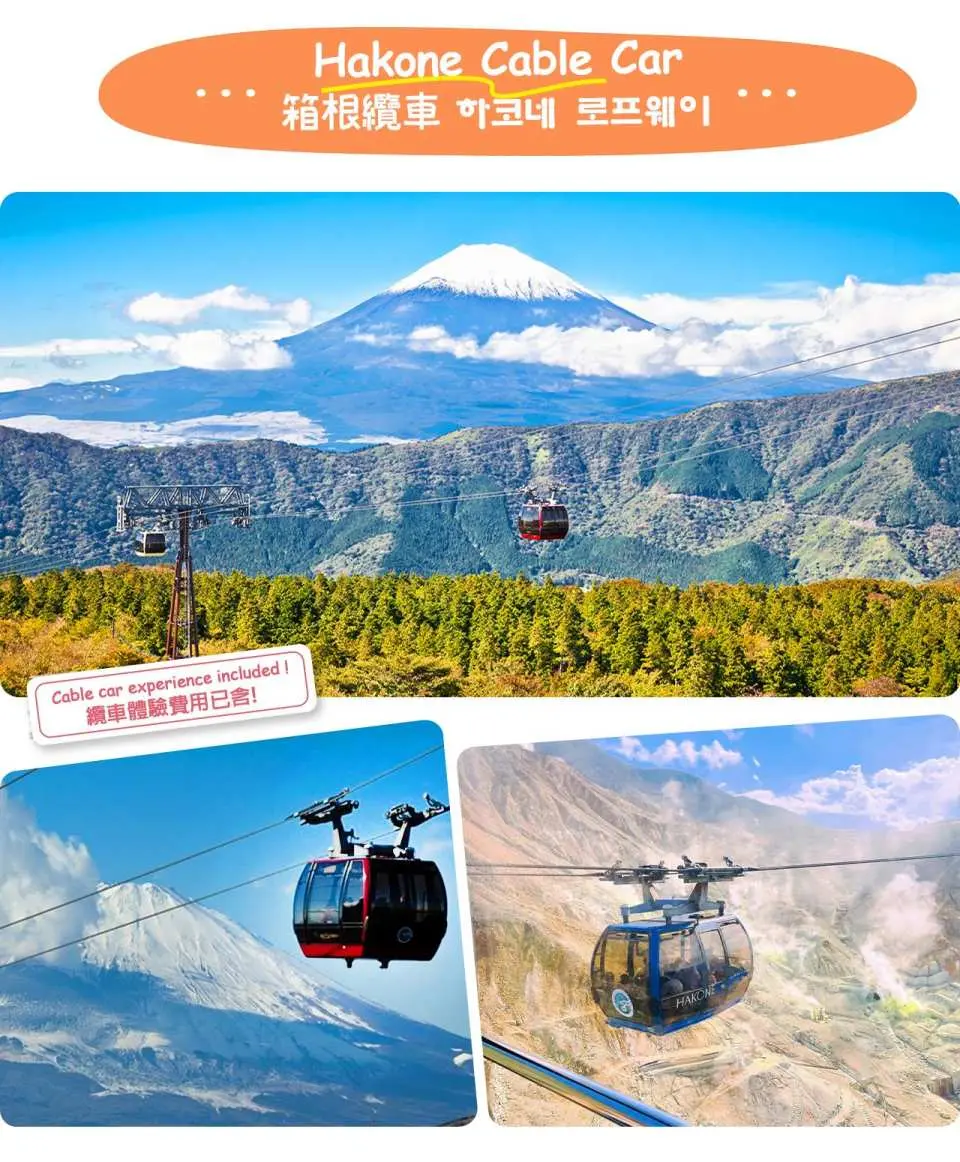
- Includes a free Hakone Ropeway experience—ride up to enjoy panoramic views and visit Owakudani to experience its volcanic landscape.
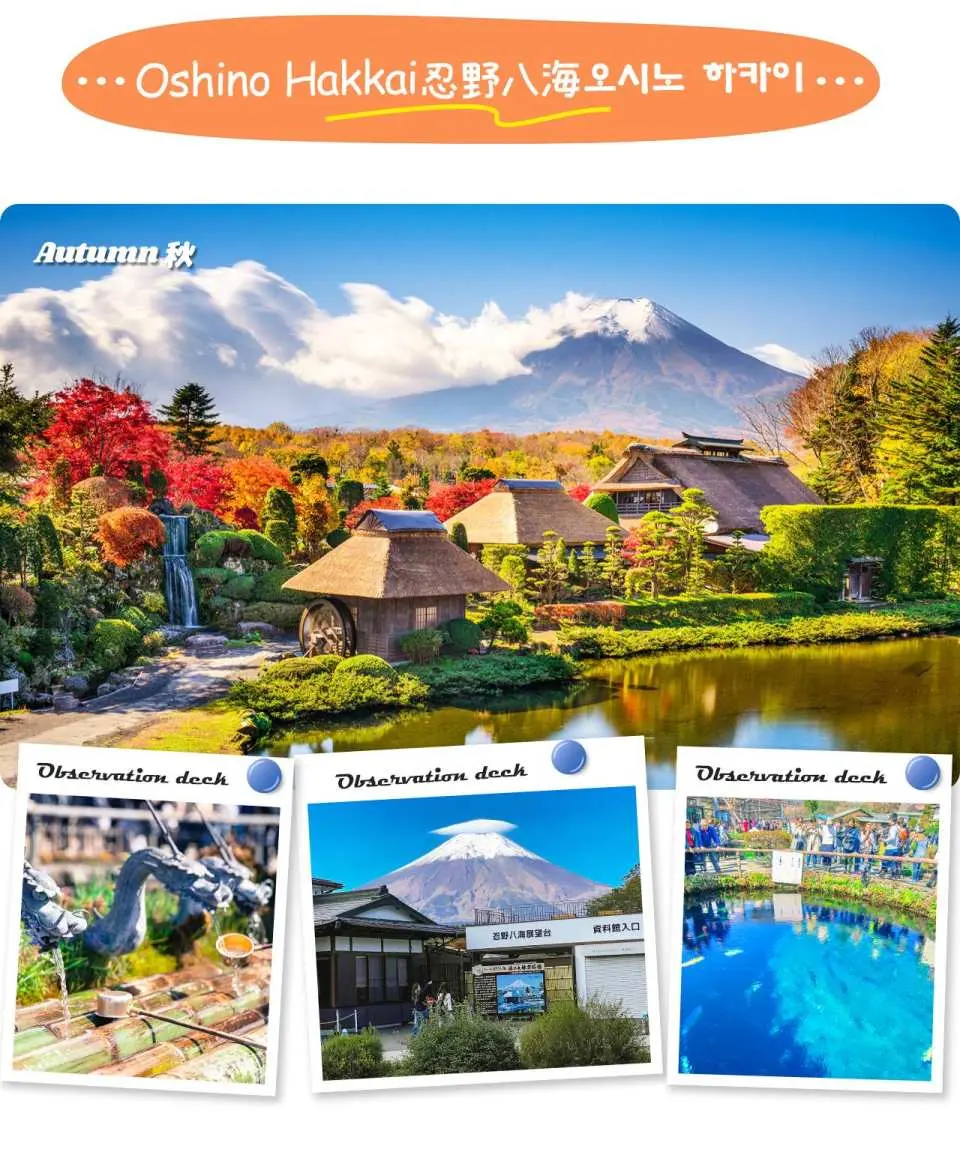
- Stroll around Oshino Hakkai and Hakone Shrine, and take in the natural scenery around Mount Fuji.
- Book on KKday for a more convenient and hassle-free transportation arrangement.
Package Options


Product Info
The content of this product is provided by machine translation and may not reflect the actual information, please take this into consideration before booking.
— What You Can Expect —
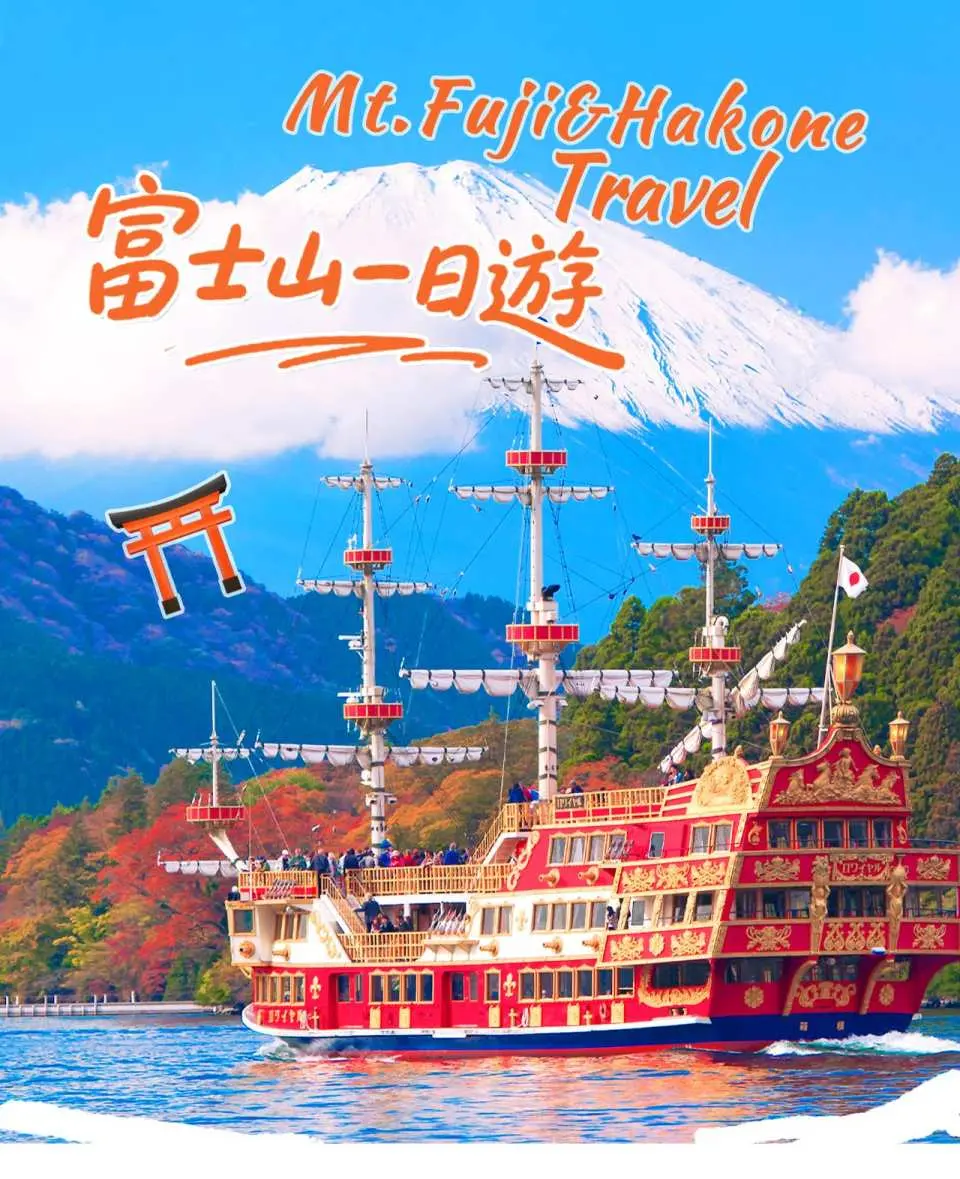
Enjoy a relaxing day trip covering Lake Ashi, Hakone Shrine, Owakudani, and scenic spots around Mt. Fuji, visiting Hakone’s classic highlights in one day—perfect for independent travelers, family trips, and first-time visitors to Japan.
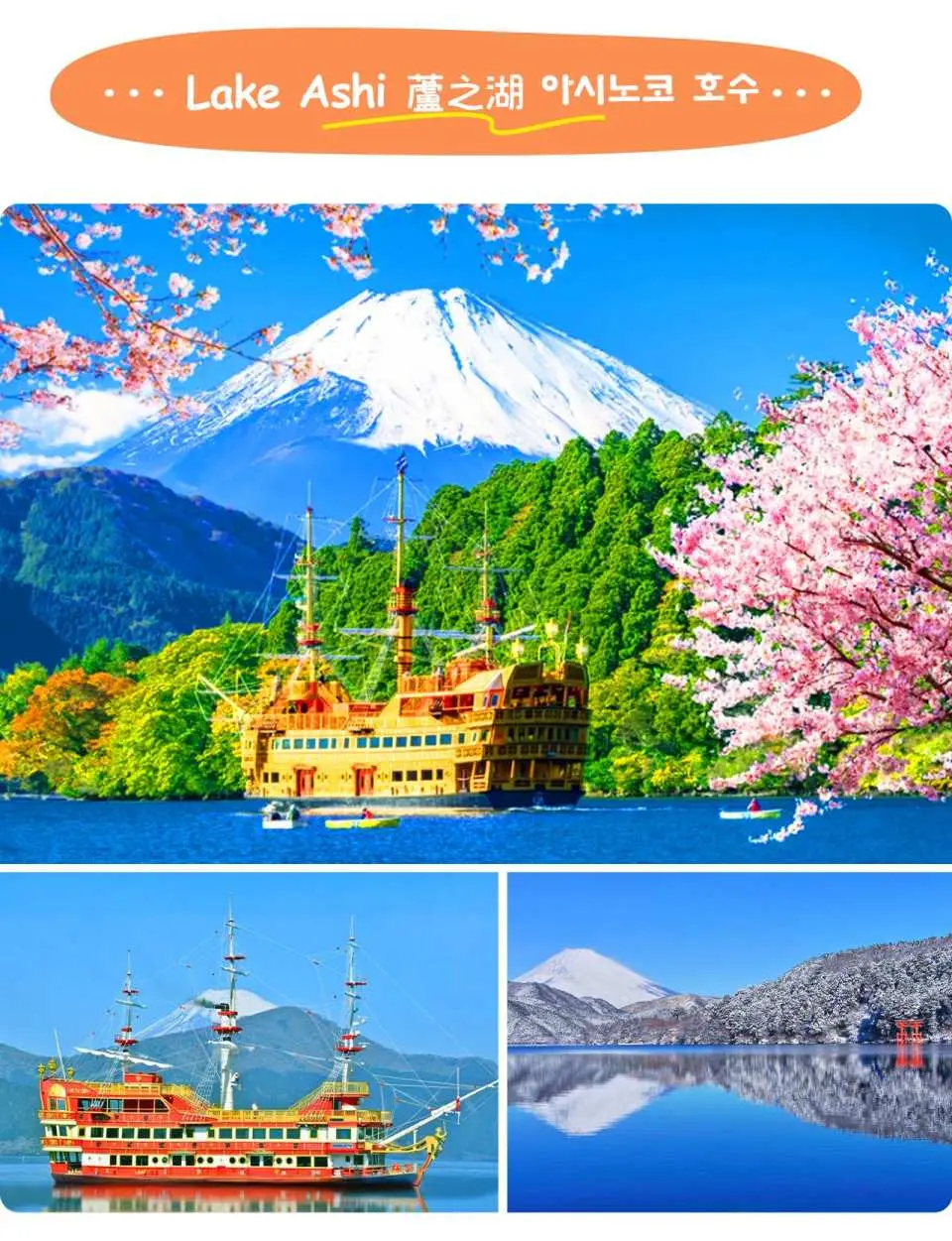
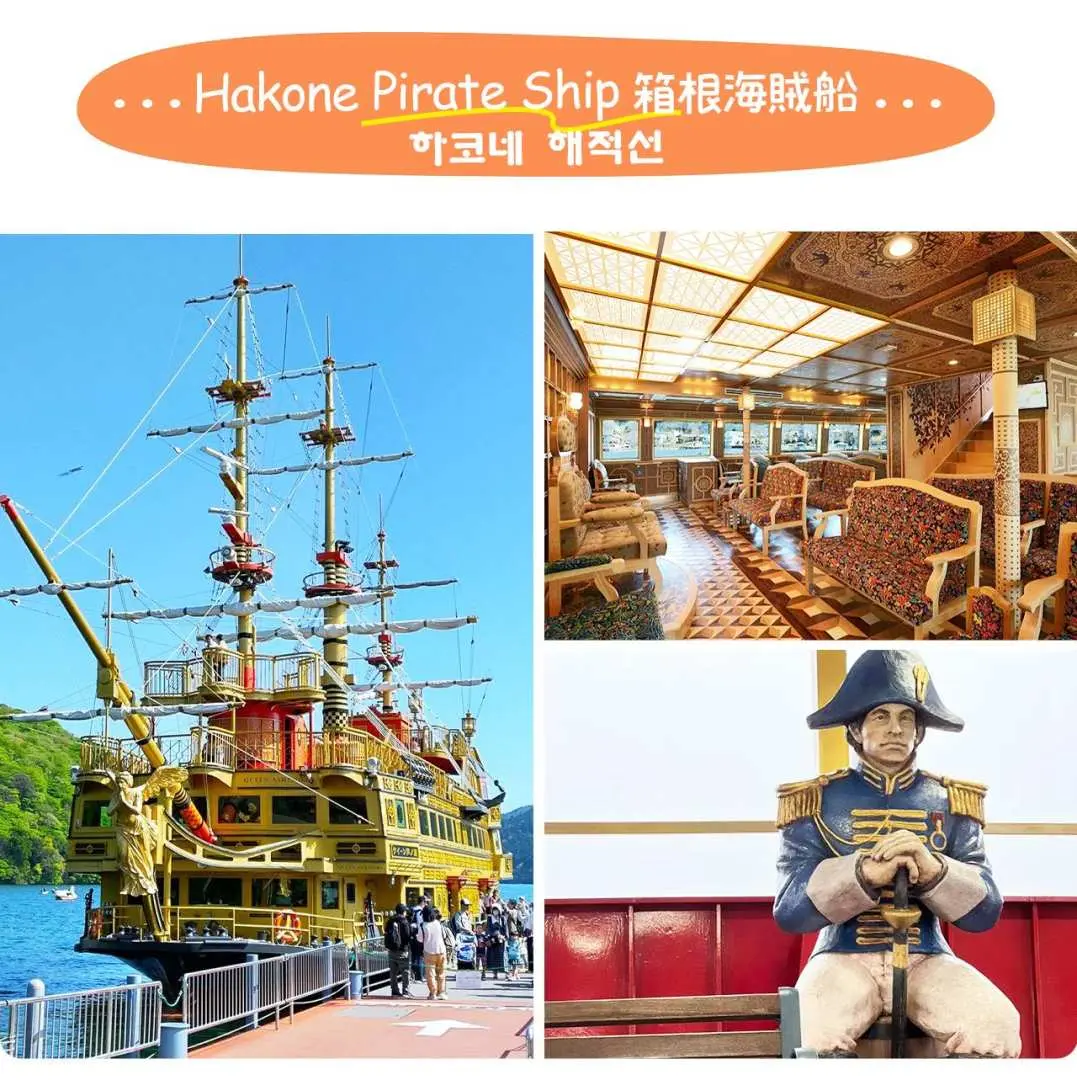
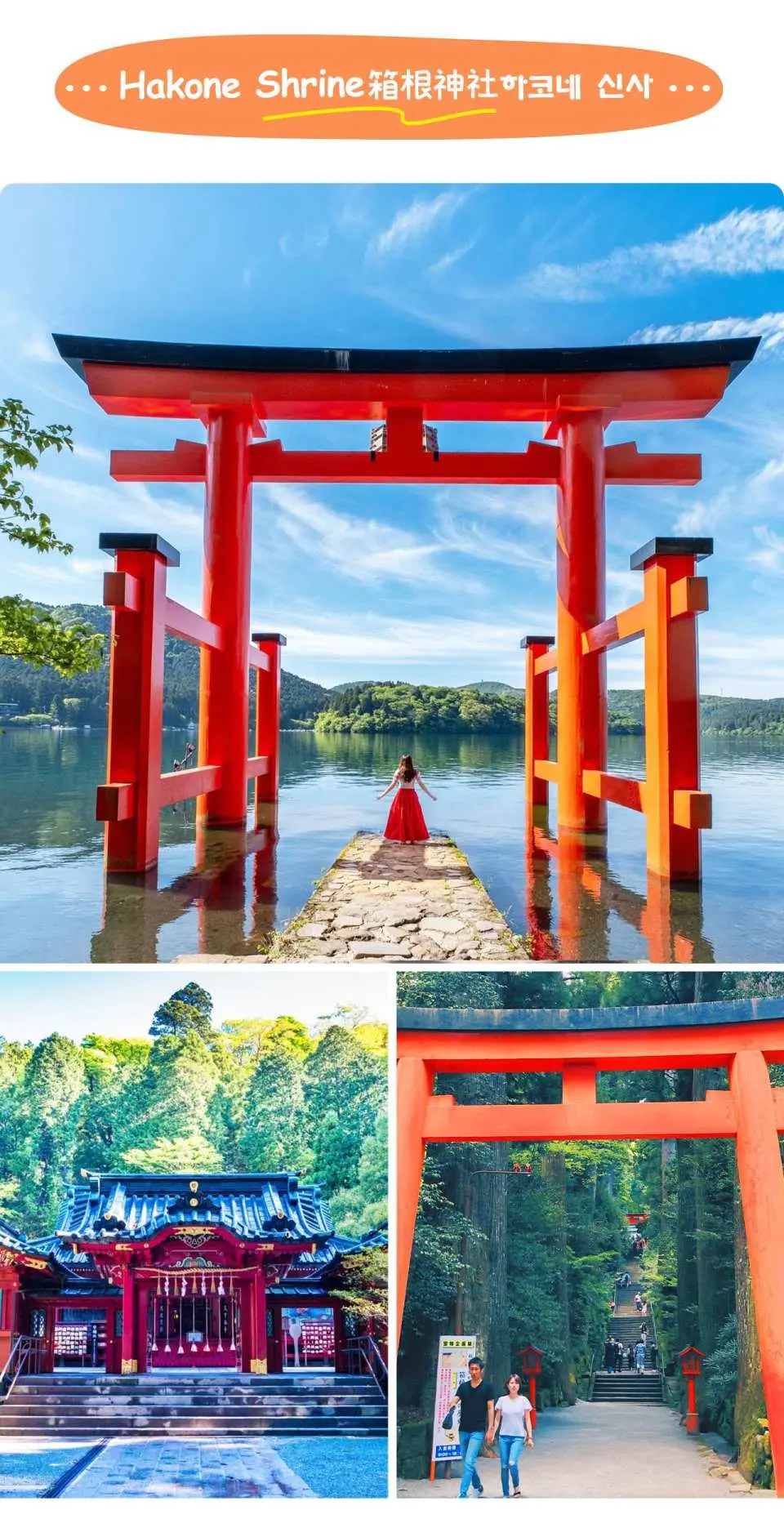
Stroll around the Hakone Shrine & Lake Ashi torii gate on the water, and take in the stunning views of Mt. Fuji reflected in the lake. You may also choose to take the iconic Hakone Pirate Ship cruise on Lake Ashi (at your own expense).
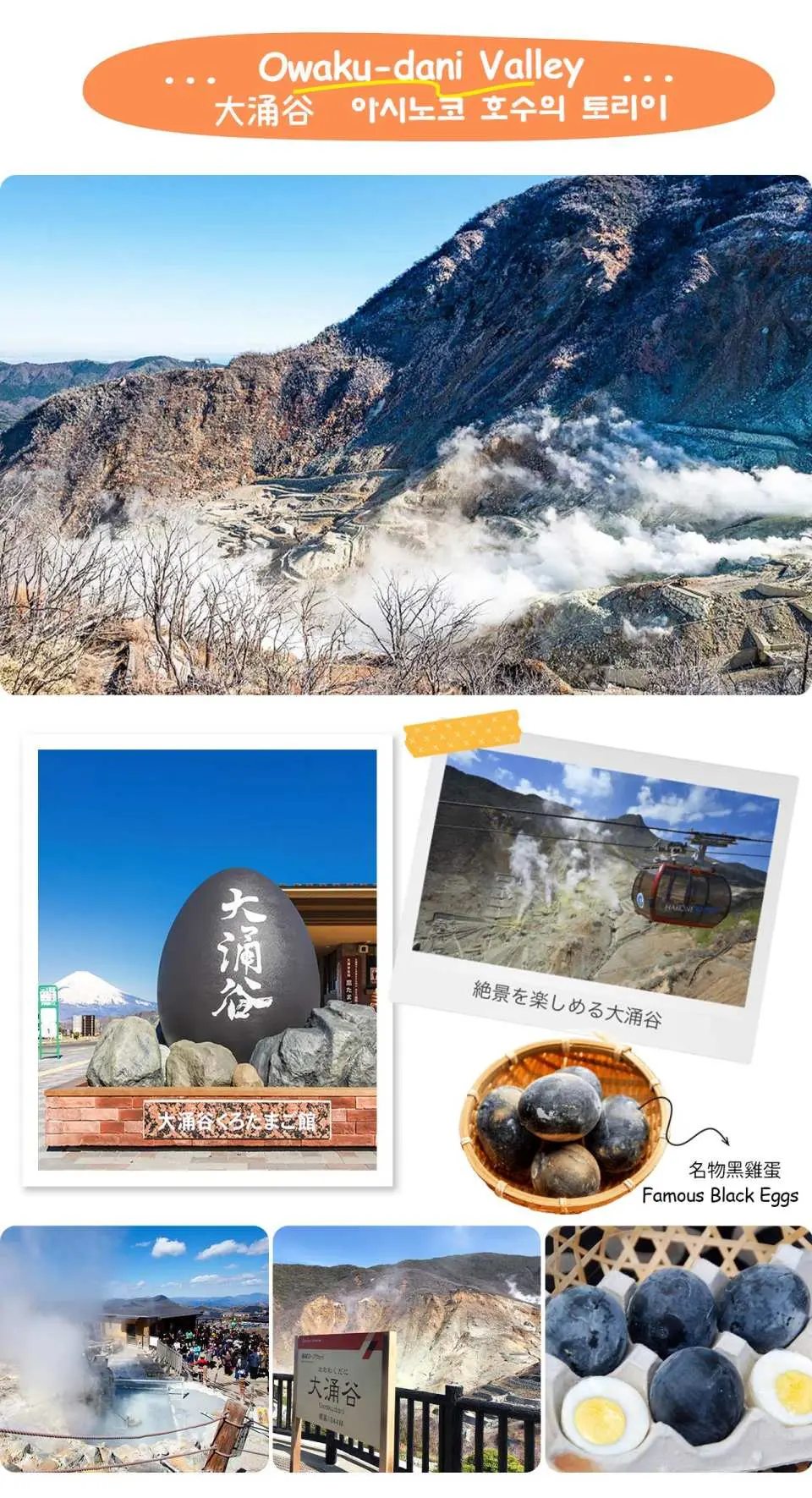
Ride the Hakone Ropeway to Owakudani, experience the volcanic landscape, and try the famous black eggs (optional, at your own expense).
Next, stop at Lake Yamanaka Swan Beach for photos with swans, and finally visit Oshino Hakkai, where you can admire the crystal-clear spring water and beautiful reflections of Mt. Fuji.
— Other tour recommendations —









Purchase Notice
[Terms and Conditions]
- Travel origin and destination: Tokyo and Yamanashi, respectively
- Travel duration: Round trip on the same day
- Transportation: Chartered bus
- Bus company: Reisei Tourism Industry Co., Ltd.
- Meals: None
- Accommodations: None
- Minimum group size: 1
- Team leader: None
- Tour guide: 1
[Travel Planning/Tour Operator]
- Name: TuYi Group Japan Co., Ltd.
- Address: 722 Shuzenji, Izu City, Shizuoka Prefecture
- License Number: Shizuoka Prefectural Governor Registered Travel Agency, No. 2-633
- Travel Agency Association: Regular Member of the Japan Association of Travel Agents (JATA)
Reminders
A minimum of 1 traveler(s) are required for the tour to depart. If the number of participants does not reach the minimum requirement, the tour will be canceled. An email regarding tour cancellation will be sent 4 day(s) before the departure date
In the event of inclement weather such as typhoons or snowstorms, a decision on whether to cancel the tour will be made 1 day(s) before departure (local time 18:00). Notifications will then be sent via email
Travelers with the following conditions or other health issues that could be worsened by excessive stimulation should not participate in this activity: High blood pressure, Heart disease, Acrophobia, Asthma, Epilepsy, Pregnant women
Please arrive at the designated location 15 minute(s) before the scheduled departure time, as the tour will depart on time
This is a shared ride with fixed itinerary. Tour participants are requested to adhere to the time allotted at each attraction and follow the instructions of the driver-guide
If you leave the group midway through the tour, the transaction will be considered invalid, and no refund will be given. Furthermore, you will be solely responsible for any personal injury or property damage resulting from this
No refunds will be given for any absences or cancellations due to personal issues, lateness, or other reasons
Arrival times for each itinerary may vary depending on traffic, weather, holidays, and crowds conditions and unforeseen circumstances
For smaller groups, a small vehicle with a driver-guide will be used. Please be aware that this is a shared ride service; other guests will be traveling with you, and stopping at places not included in the itinerary is not allowed
Traffic jams and other unforeseen circumstances may occur on weekends and public holidays. The driver-guide may adjust the itinerary according to the specific situation
According to Japanese law, the maximum working hours for drivers are 10 hours. To ensure driver safety, adjustments may be made based on actual circumstances, including reducing sightseeing time at attractions or canceling certain attractions. This cannot be used as a basis for refunds or complaints. We apologize for any inconvenience and hope for your cooperation.
Two different vehicles will be used for tours departing from Tokyo and Shinjuku, so your boarding and alighting locations must be the same
If Hakone Ropeway (between Owakudani Station and Togendai Station) is closed, the alternatives are: ① Take the pirate ship first, and then take the ropeway from Sounzan Station to Owakudani Station, or ② Take the ropeway from Sounzan Station to Owakudani Station, and then take the pirate ship
FAQ
Located on the shores of Lake Ashi, Hakone Shrine is famous for its iconic torii gate in the water, the 'Peace Torii,' which is an excellent photo spot. The main shrine building enshrines Hakone-Ōkami, where you can pray for good fortune and romantic relationships. Additionally, the path leading to the main shrine is lined with ancient trees, creating a solemn and tranquil atmosphere, offering a taste of Japan's traditional shrine culture. Strolling along the lake offers a blend of nature and history.
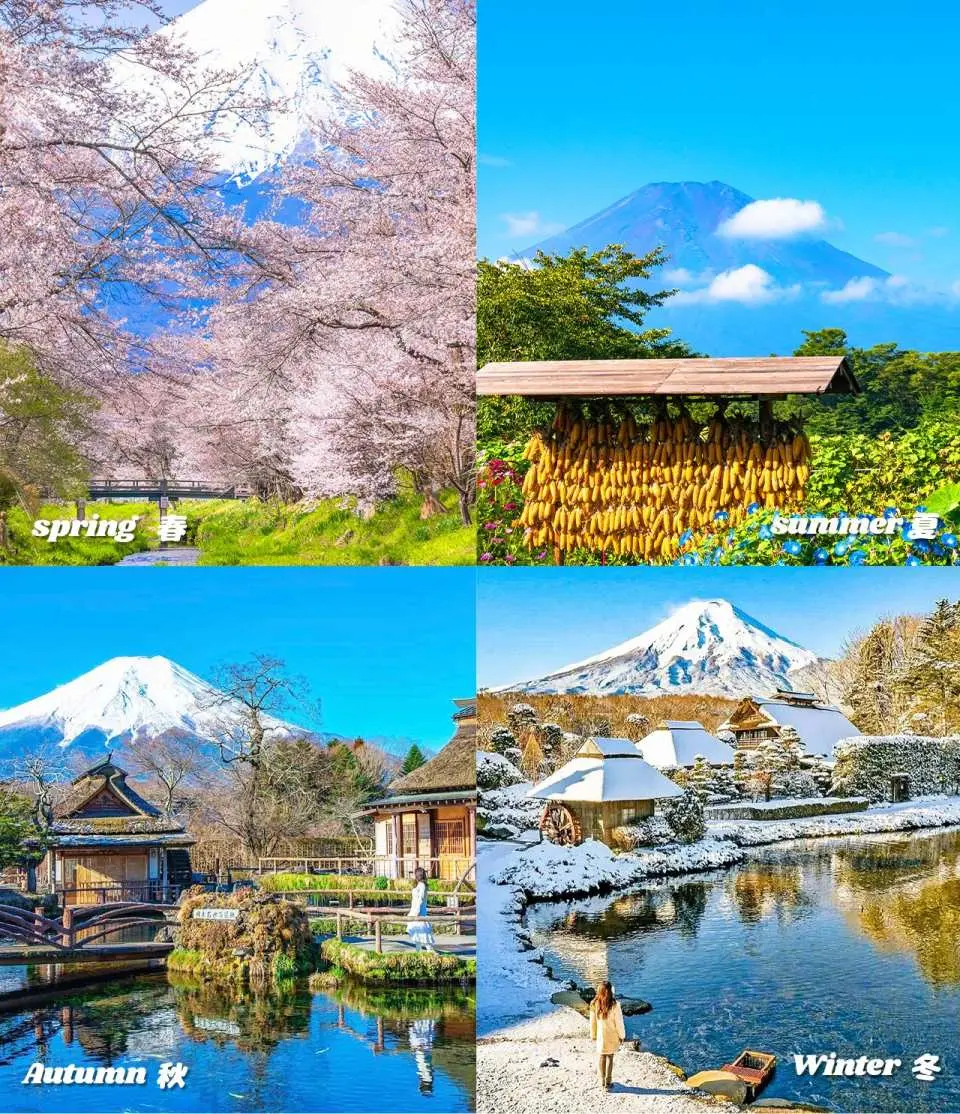
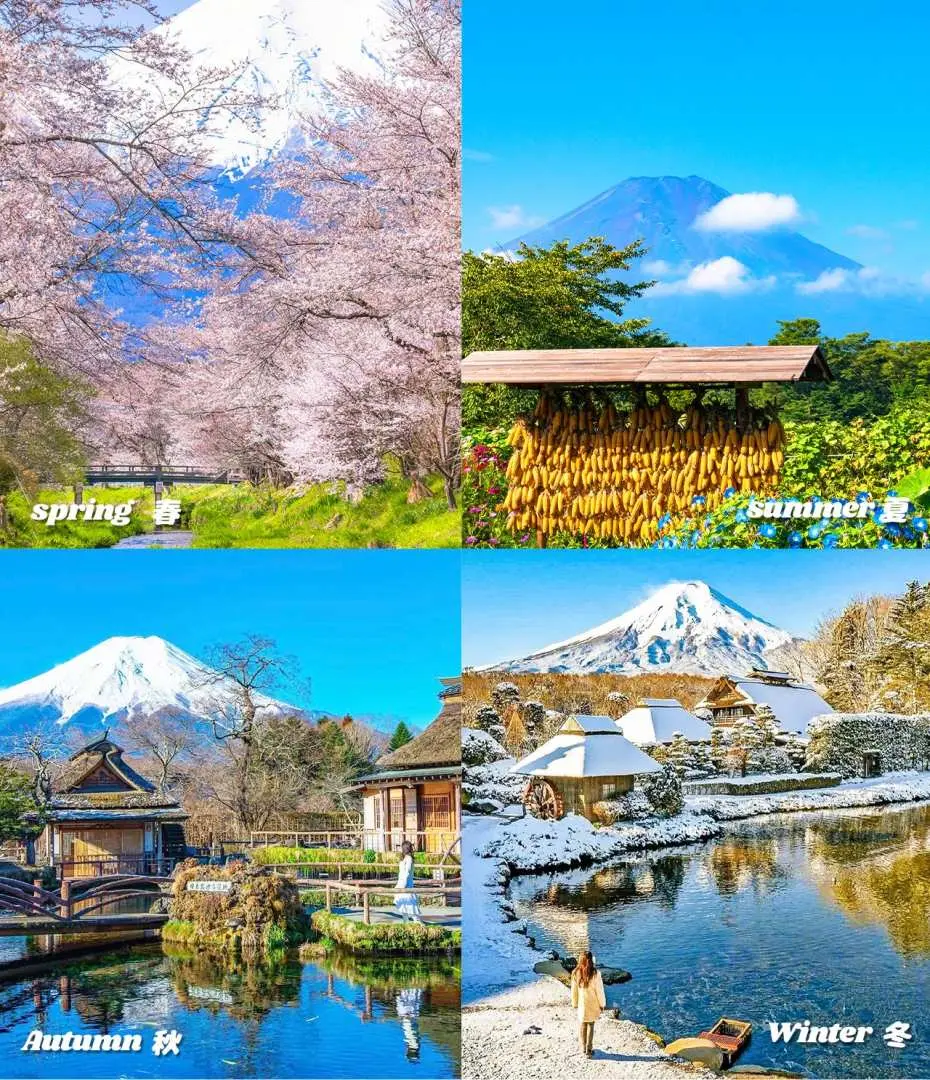
The Hakone and Mount Fuji area offers different charms throughout the year. Spring (March-May) is ideal for cherry blossom viewing with pleasant weather. Summer (June-August) provides cool lake views and lush green mountains, perfect for outdoor activities. Autumn (September-November) is the prime season for autumn foliage, with hillsides ablaze in picturesque reds and oranges. Winter (December-February) offers the chance to see Mount Fuji covered in snow, creating a spectacular scene. It's advisable to avoid the rainy season to ensure good visibility.
Kuzuryu Shrine primarily enshrines the guardian deity of Hakone, 'Kuzuryu-Ōkami,' renowned for prayers for good fortune, financial prosperity, and romantic relationships. The 'Shingu' is located next to Hakone Shrine, making it convenient to visit. The 'Hongu' is nestled deep within the forest on the shores of Lake Ashi, exuding a more mysterious and solemn atmosphere, with a monthly festival held on the 13th. Many visitors take 'Ryujin water' home, which is said to bring good luck and is a unique local shrine custom.
From Tokyo, you can take the JR Tokaido Shinkansen to Odawara Station, then transfer to the Hakone Tozan Railway, Hakone Tozan Bus, or a sightseeing cruise. If you choose the bus, you can alight at Moto-Hakone Port and walk for about 10 minutes to reach the shrine. Driving is also an option, but consider parking convenience. Participating in a day trip tour from Tokyo usually includes transportation, offering a more convenient and relaxed travel experience.
Oshino Hakkai is famous for its eight crystal-clear springs, formed from melted snow of Mount Fuji filtered through the earth. Each pond has its own unique name and legend, such as 'Okama Pond' and 'Choshi Pond.' Here, you can admire the pastoral landscape where Mount Fuji, the ponds, thatched-roof houses, and water wheels interweave, and taste the sweet spring water. It's also a popular spot for photographing Mount Fuji, blending natural and cultural charm.
On the Lake Ashi Sightseeing Cruise, you can admire Hakone's natural scenery from various angles on the lake. On clear days, the majestic Mount Fuji is reflected in the water, creating the beautiful 'inverted Fuji' view. Along the way, you'll also see the torii gate of Hakone Shrine in the water, lush green mountains, and lakeside villas. This water journey combines beautiful natural landscapes with the unique design of the ship, offering a delightful sightseeing experience and one of the best ways to appreciate Hakone's lake and mountain vistas.
Riding the Owakudani Ropeway offers a panoramic view of Owakudani's volcanic activity, including steaming sulfur vents and rugged terrain. On clear days, you can also see Mount Fuji and Lake Ashi in the distance. Owakudani's specialty, 'black eggs,' are boiled in the geothermal hot springs, causing their shells to turn black due to a reaction with sulfur. It's said that eating one can prolong life by seven years, making it a unique experience and souvenir not to be missed when visiting Owakudani.
The best times to photograph Mount Fuji and swans at Shirahama Beach in Lake Yamanaka are typically early morning or late evening. The lake surface is calmer in the morning, allowing for clear reflections of Mount Fuji, and the light is soft. In the evening, you can capture Mount Fuji and swans bathed in the glow of sunset, creating a romantic scene. In winter, Mount Fuji covered in snow combined with swans resting by the lake forms a classic picturesque view, sought after by many photography enthusiasts, offering beautiful scenery year-round.
Get Help


