


3D2N Scotland Tour: Isle of Skye, The Highlands & Loch Ness from Edinburgh or Glasgow | Scotland, United Kingdom
Experience the beauty of Scotland with a 3-day, 2-night tour, exploring renowned destinations including the enchanting Isle of Skye, the majestic Highlands, and the mysterious Loch Ness.
- Admire the stunning natural beauty of Scotland
- Explore the charming village of Portree on the Isle of Skye
- Visit Scotland’s must-see attractions such as Dunvegan Castle, Flora MacDonald’s grave, Eilean Donan Castle, and Duntulm Castle
- Enjoy return transfers from Edinburgh or Glasgow
Package Options


Sightseeing Tours
| Tour Type | Shared tour |
| Transportation method | Transfer from meeting point |
| Luggage limit | 1 piece |
| Tour types | Guided tour |
| Meal arrangement | Arrange yourself |
| Sightseeing type | Natural sights, Historic site tour, Islands tour |
| Transport | Bus tour |
Product Info
— What You Can Expect —
Join this three-day tour to immerse yourself in the breathtaking landscapes of Scotland, as you explore the captivating Isle of Skye, traverse the majestic Highlands, and uncover the mysteries of Loch Ness.
-Important Info -
Accommodation is not included in the tour price. The tour price includes the services of a friendly, knowledgeable and experienced Driver-Guide and transportation on one of our luxury modern air-conditioned coaches.
Explore Isle of Skye's breathtaking beauty
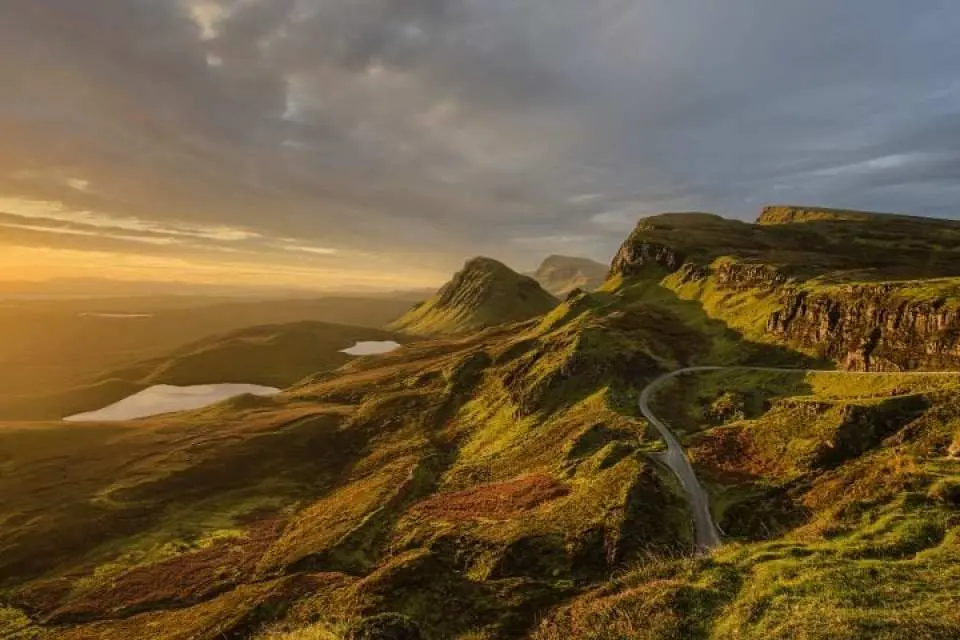
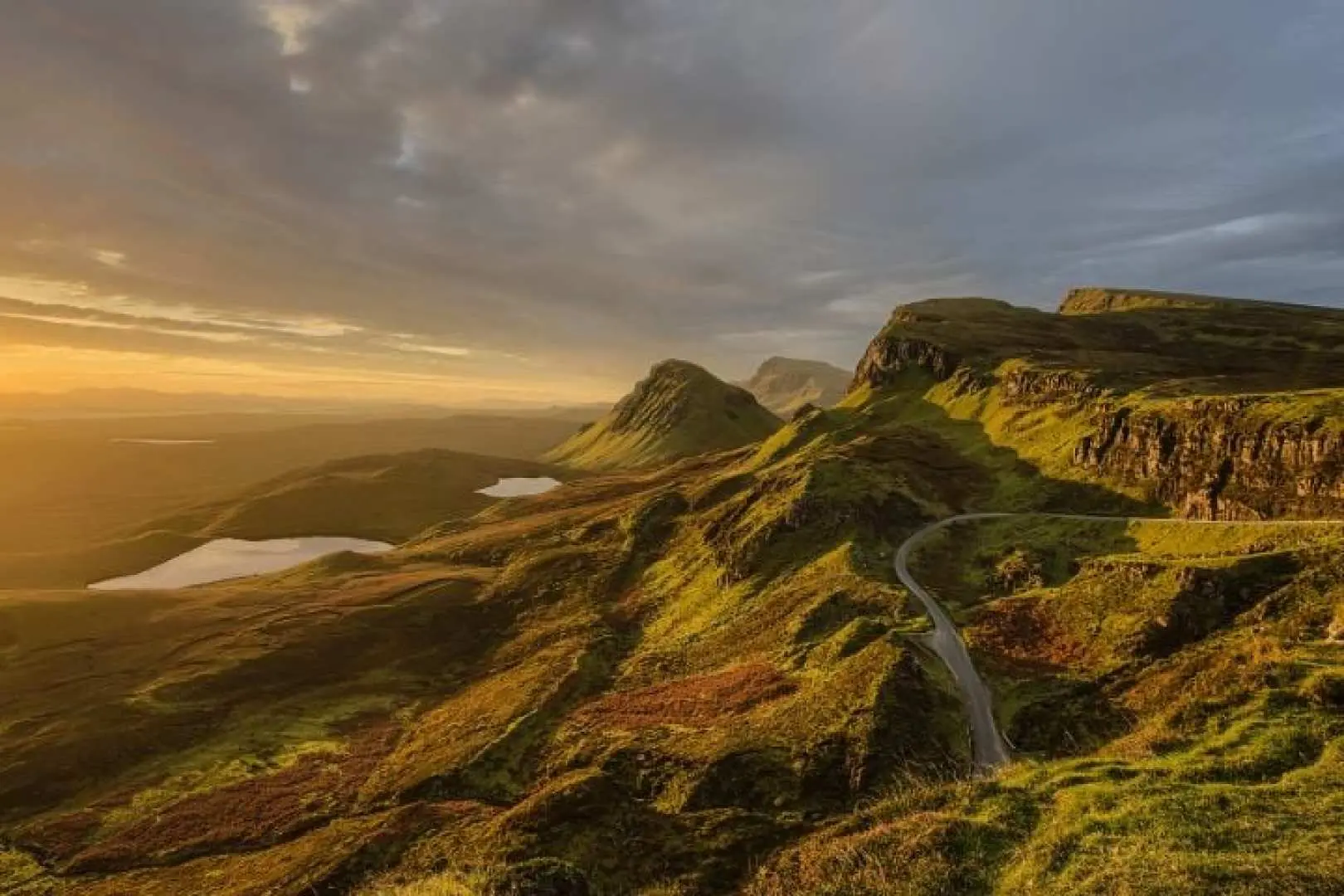
Experience Port William's peaceful ambiance


Explore Portree's charming streets


Admire the majestic Lealt Falls


Visit the historic Eilean Donan Castle


Purchase Notice
- If there are no Glasgow pick-ups it will travel from Edinburgh via Stirling and will not visit Loch Lomond but offer an alternative route
- Children under age 4 are not allowed to join the tour
- Collapsible wheelchairs with removable wheels can be accommodated providing the passenger is accompanied by someone who can assist them board and disembark.
- Eilean Donan Castle interior closed in winter
— Important Info —
- Is the accommodation included in the price?
Although you book the package with accommodation, accommodation is not included in the price, as we prefer to let you choose the type of accommodation you want, depending on your budget. The tour price includes the services of a friendly, knowledgeable and experienced Driver-Guide and transportation on one of our luxury modern air-conditioned coaches.
Accommodation is payable to the provider upon check-in. Please note that many Bed and Breakfasts do not have card machines and do require guests to pay in cash. Accommodation rates do vary between providers and seasons. For this reason we are only able to give you an estimated rate until a booking has been made.
Estimated rates are as follows:
- Hostel: £30.00 – £40.00 per person per night
- B&B (Shared): £70.00 – £110.00 per person per night
- B&B (Single occupancy): £100.00 – £150.00 per night
- Hotel: From (Shared) £95.00+ per person per night
- Hotel: From (Single occupancy): £150.00+ per night
All hotels require credit card information in order to secure a booking. If you wish us to reserve a hotel room for you, we will contact you for your budget and credit card details. Please note a single room supplement may apply.
2. What is the difference between a Hostel, B&B and Hotel?
Hostels are budget accommodation. Many hostels have kitchen facilities where customers can prepare their own food. B&Bs are privately owned Guesthouses. Guests are given breakfast (continental or full, depending on the B&B) but cannot prepare their own food. Hotels are the most expensive choice of accommodation. Rooms come with a full breakfast (unless stated), and guests are unable to prepare their own food."
3. What is the difference between ensuite, standard, twin and double rooms?
Double means one double bed which sleeps two. Twin means two single beds, where you share a room but not a bed. Ensuite rooms have a private bathroom/toilet/shower within the room. Standard rooms have communal facilities that are shared with other guests.
4. How much luggage can I bring?
Luggage is restricted to one medium-sized suitcase per person. For guidance: a medium-sized suitcase is 60-69 cm high and roughly 45 cm wide. If you have more luggage than this, you can store your surplus bags with Unbaggaged (additional charges apply). Unbaggaged will collect your bags at a time and place convenient to you! They then store them at a secure central location and return them to you, again, wherever and whenever you like! "
5. Do I need to book a table for dinner in Portree?
We recommend booking restaurant tables in Portree, Skye, if you would like a sit-down meal in the evening, as many restaurants have limited seating.
6. Do I need to pre-book the optional extras?
No, you don't need to worry about pre-booking any of the optional extras. All the optional extras can be booked on the day and your Driver-Guide will advise you of how to book.
Reminders
A minimum of 6 traveler(s) are required for the tour to depart. If the number of participants does not reach the minimum requirement, the tour will be canceled. An email regarding tour cancellation will be sent 1 day(s) before the departure date
Please refer to the voucher for precise information
Please arrive at our meeting point 30 minutes before departure. We cannot refund anyone who arrives late to the departure point
The check-in for tours open 15 minutes prior to the published departure time and close 5 minutes prior to the published departure time
Luggage is limited to 1 small to medium-sized suitcase or bag per person. For guidance: a medium sized suitcase is considered 60-69cm high and roughly 45cm in width
Smoking is not permitted on vehicles
Hot food are not permitted on vehicles
KKday and the supplier does not accept any liability for any loss, inconvenience or damage caused by war, threat of war, riot or civil commotion, terrorist or criminal activity, industrial disputes, natural disasters, fires, illness, weather conditions, road traffic conditions, temporary technical, electrical or mechanical breakdown
Cancellation Policy
- Cancellations 7 day(s) (inclusive) before the selected date are allowed. Unused orders can be canceled for free
- Cancellation is not allowed between 0–6 days from the selected date. Orders cannot be canceled or modified, and refunds will not be granted.
- Due to time zone differences, the confirmed cancellation date is based on the supplier’s local time. Please allow 2–5 business days to process your cancellation request, after which the cancellation fee will be charged according to the product’s cancellation policy. Once the cancellation is confirmed, you will receive your refund within 14 working days.
FAQ
The Isle of Skye boasts iconic natural wonders. The Old Man of Storr is a famous rock pinnacle offering dramatic views. The Fairy Pools, with their crystal-clear waters, are perfect for scenic walks and photography. The Quiraing presents a landscape of unique rock formations and landslips, ideal for photographers and hikers. Visitors can also explore the dramatic coastlines and lush valleys, experiencing unparalleled Scottish wilderness and breathtaking panoramas.
The most recommended time to visit the Isle of Skye for favorable weather and scenic views is typically from May to September. During these months, the weather is generally milder, offering longer daylight hours for exploration and clearer skies for photography. While rain is always possible in Scotland, these months statistically offer better conditions with fewer disruptions. The landscapes are vibrant, and most attractions are easily accessible, providing an optimal travel experience.
English is universally spoken on the Isle of Skye, making communication straightforward for visitors. Scottish Gaelic, an indigenous Celtic language, is also spoken by a significant portion of the local population, particularly in certain communities. Efforts are made to preserve and promote Gaelic culture, which visitors can often observe through signage, local events, and traditional music. Respect for local traditions, the island's natural environment, and quiet enjoyment of its serene beauty is highly appreciated.
During peak travel seasons, especially July and August, the Isle of Skye can experience significant crowds at popular sites like the Fairy Pools and Old Man of Storr. To manage a comfortable experience, consider visiting attractions early in the morning or late in the afternoon to avoid peak visitor times. Exploring some of the island's less-known gems can also provide a more tranquil experience away from the main tourist routes. Planning your itinerary efficiently and allowing ample travel time between locations helps navigate busy periods.
For reaching attractions like Dunvegan Castle on the Isle of Skye and Eilean Donan Castle on the mainland, organized coach tours are a popular and convenient option, often including transfers and guided commentary. Alternatively, renting a private car offers flexibility for exploring at your own pace across the Highlands and Islands. Eilean Donan Castle is conveniently located at a roadside point, easily accessible by car or tour bus. While public bus services connect some towns, direct routes to all castles can be limited, requiring careful planning.
On a multi-day tour covering the Isle of Skye, the Highlands, and Loch Ness, visitors can expect breathtaking scenic drives through dramatic landscapes. Experiences include exploring the charming village of Portree, discovering ancient castles like Dunvegan, and marveling at the geological formations of the Isle of Skye. The tour also offers opportunities to spot local wildlife, learn about Scottish history, and perhaps take a boat trip on Loch Ness while keeping an eye out for its legendary inhabitant. It's a comprehensive immersion into Scotland's natural beauty and heritage.
To effectively explore the Isle of Skye, the Highlands, and Loch Ness on a single trip, a well-planned itinerary is crucial. Consider joining a structured multi-day tour that handles logistics like transportation and accommodation, allowing you to focus solely on the sights. If traveling independently, prioritize key attractions in each region to optimize your time. Efficient route planning, considering travel times between remote locations, and pre-booking accommodation are essential for a smooth journey across these diverse Scottish regions, maximizing your exploration within limited time.
Choosing a guided multi-day tour for exploring Scotland's iconic landscapes offers numerous advantages. It provides hassle-free transportation, expert commentary on history and local culture, and removes the stress of navigation and accommodation planning. Guides often share insights into hidden gems and local folklore that might be missed when traveling independently. This allows visitors to fully immerse themselves in the dramatic scenery of places like the Isle of Skye and the Highlands without logistical concerns, ensuring a richer and more relaxing travel experience.
Get Help


