


Sankeien Garden Admission Ticket | Instant Confirmation | Yokohama
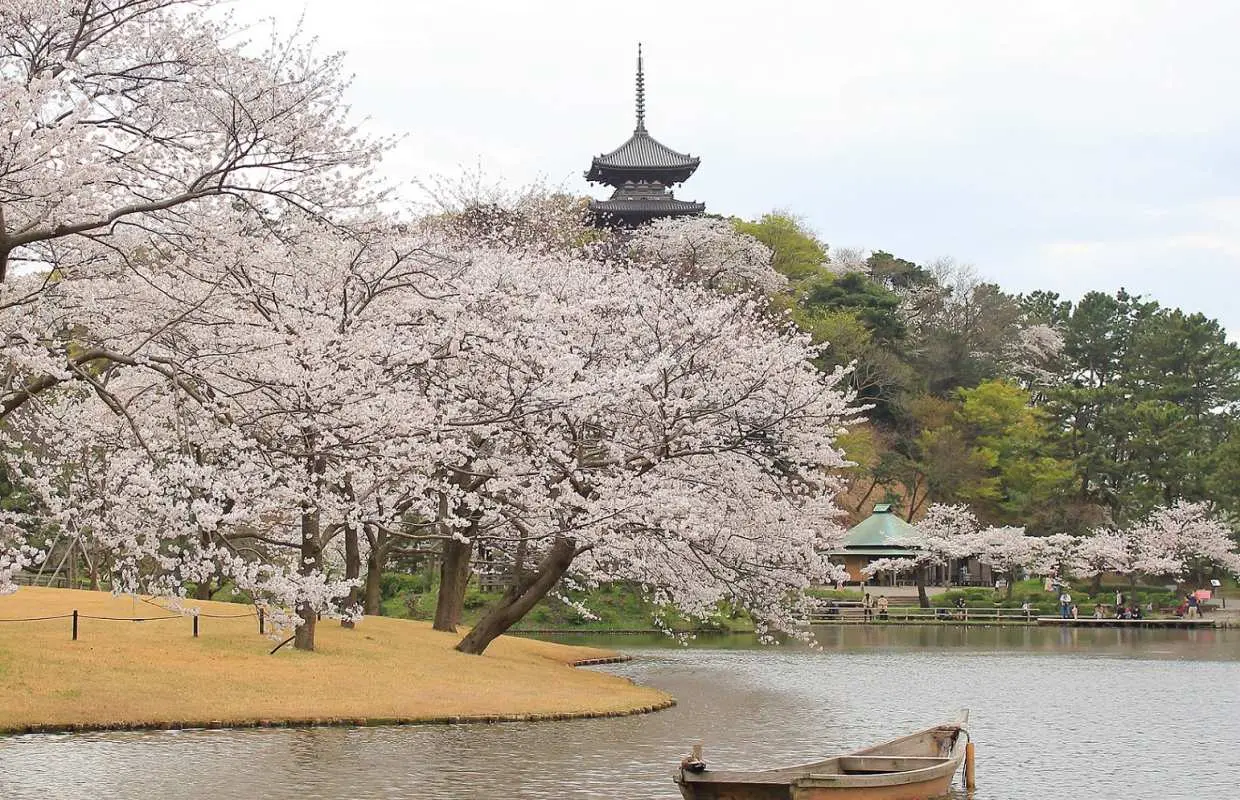
Enjoy seasonal flowers in Sankeien garden, a national scenic spot created by Sankei Hara. Appreciate the beauty of architecture and horticulture in traditional Japanese-style. Take a walk in the delicate garden made up of old buildings, including a pagoda dating back to the Muromachi era, the Hara family's private residence and Rinshunkaku built in the early Edo era. Get to know more about the history and culture of Sankeien at the Memorial Hall.
- Appreciate the beauty of architecture and horticulture in traditional Japanese-style
- Take a walk in the delicate garden made up of cultural heritage buildings that were relocated from Kyoto and Kamakura
- Enjoy seasonal flowers in the garden that is well-known for its cherry blossoms in spring and red leaves in autumn
- Explore the history and culture of Sankeien at the Memorial Hall
Attraction Tickets
| Attraction type | History & culture, Traditional house experience |
| Additional service & facility | Barrier free |
Product Info
The content of this product is provided by machine translation and may not reflect the actual information, please take this into consideration before booking.
— What You Can Expect —
Enjoy seasonal flowers in Sankeien garden, which is a national scenic spot created by Sankei Hara, a businessman and tea master. Immerse yourself in seasonal changes with either cherry blossoms in spring or red leaves in autumn.
Appreciate the beauty of architecture and horticulture in traditional Japanese-style. Sankeien is located in Yokohama, where a number of tangible cultural heritage buildings that were relocated from Kyoto and Kamakura can be found.
Take a walk in the delicate garden made up of old buildings. Get a glimpse of the three-storied pagoda dating back to the Muromachi era at Gaien, the outer garden. Don’t forget about the inner garden, Naien, which used to be the Hara family's private residence.
Discover Rinshunkaku, which was built in the early Edo era. Explore the history and culture of Sankeien at the Memorial Hall, where exhibits and showcases lots of materials and art works related to Sankeien and Sankei Harai.
Immerse yourself in the cherry blossom where you can find approximately 250 trees such as Somei Yoshino, Yamazakura, Oshimazakura, and Shidarezakura that decorate the garden


Watch the cherry blossoms at night while old buildings around Oike in Gaien are lit up


Take a walk in the fresh greenery of Sankeien, which includes 17 historical buildings relocated from Kyoto and Kamakura


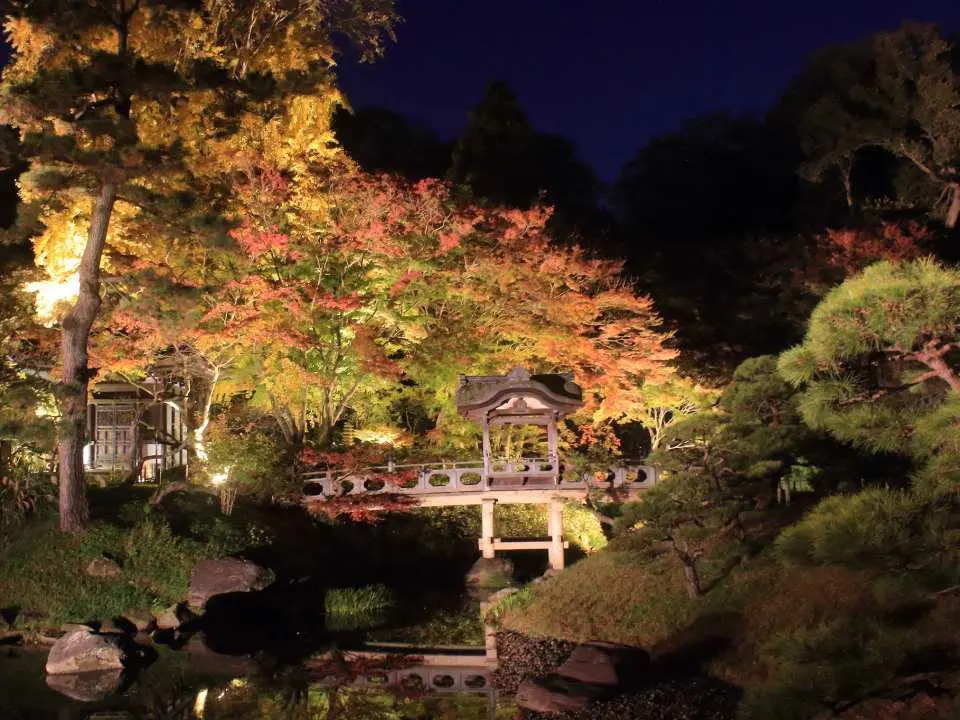
Autumn leaves at Choshukaku


The Great Ginkgo


Autumn leaves illumination

Get a glimpse of the three-storied pagoda dating back to the Muromachi era at snowy Gaien (the outer garden)


Purchase Notice
- Please be sure to check the latest information such as business hours on the official website.
- Wheelchair entry is available. We have wheelchairs available if needed. *There are some steps and slopes in the park.
- You can bring in food and drinks, but eating and drinking is prohibited in the Naien (Inner garden).
- Please refrain from bringing pets. (Excluding guide dogs, service dogs, and hearing dogs)
Includes/Excludes
Reminders
Other coupons cannot be used in combination with complimentary tickets or discount tickets.
We do not accept cancellations, refunds or changes.
Redemption Location
Sankeien main gate and south gate
Address Info: 58-1 Sannotani, Honmoku, Naka-ku, Yokohama-shi
Monday 09:00 - 17:00
Tuesday 09:00 - 17:00
Wednesday 09:00 - 17:00
Thursday 09:00 - 17:00
Friday 09:00 - 17:00
Saturday 09:00 - 17:00
Sunday 09:00 - 17:00
- Business hours: 9:00am-5:00pm (Last admission is 30 minutes before closing) *Opening hours may change during events.
- Closed: December 26th to 31st

How to Redeem Your Voucher
How to Use Your Voucher
- Please present your QR code on-site
Voucher Redemption Period
- Valid for redemption within 6month(s) from the date of issue; Invalid after expiration
Validity Period
- Valid for use within 6month(s) from the date of issue; Invalid after expiration
Experience Location
Location Name: Sankeien Garden
Address: 58-1 Sannotani, Honmoku, Naka-ku, Yokohama-shiMonday 09:00–17:00 (Last Entry Time: 16:30)
Tuesday 09:00–17:00 (Last Entry Time: 16:30)
Wednesday 09:00–17:00 (Last Entry Time: 16:30)
Thursday 09:00–17:00 (Last Entry Time: 16:30)
Friday 09:00–17:00 (Last Entry Time: 16:30)
Saturday 09:00–17:00 (Last Entry Time: 16:30)
Sunday 09:00–17:00 (Last Entry Time: 16:30)
- Closed: December 26th~31st
Cancellation Policy
- Once the order has been completed, it cannot be canceled, modified, or refunded
- Due to time zone differences, the confirmed cancellation date is based on the supplier’s local time. Please allow 2–5 business days to process your cancellation request, after which the cancellation fee will be charged according to the product’s cancellation policy. Once the cancellation is confirmed, you will receive your refund within 14 working days.
FAQ
Sankeien Garden is accessible via public transportation. From JR Negishi Station, you can take city bus routes 58, 99, or 101 and alight at the Honmoku Sankeien-mae stop. Alternatively, from Yokohama Station East Exit, take bus route 8 or 148 directly to Sankeien Garden, offering a convenient way to reach the site.
Yes, an admission ticket is required for entry to Sankeien Garden. The ticket grants access to explore the entire garden, including its renowned historical buildings and seasonal displays. You can conveniently purchase your Sankeien Garden admission ticket through KKday. Booking in advance with KKday ensures instant confirmation and a seamless entry experience, allowing you to focus on enjoying the garden's beauty without delay.
Sankeien Garden is home to several significant relocated historical structures. Key attractions include a three-story pagoda from the Muromachi era, Rinshunkaku, a grand villa from the early Edo period, and Choshukaku. Visitors can also explore the Hara family's private residence and learn about the garden's heritage at the Memorial Hall, all beautifully integrated into the landscape.
Sankeien Garden offers beautiful seasonal displays throughout the year. For cherry blossoms, late March to early April is ideal. Autumn leaves are spectacular from late November to early December. Early summer brings hydrangeas, while various other seasonal flowers bloom across the garden from spring through autumn, ensuring a picturesque visit anytime.
Sankeien Garden is a classical Japanese 'stroll garden' (kaiyu-shiki teien), designed for visitors to wander through a series of carefully composed scenic views. Its uniqueness lies in the harmonious integration of natural elements like ponds, streams, and hills with over a dozen relocated historic buildings from Kyoto and Kamakura, creating a rich cultural and aesthetic experience in a traditional style.
Yes, visitors can delve deeply into the garden's history and cultural significance. The Sankeien Memorial Hall provides comprehensive information about the garden's founder, Sankei Hara, and the historical context of the various cultural heritage buildings within the garden. This offers an educational experience that enhances the appreciation of Sankeien's legacy.
Sankeien Garden is an excellent choice for travelers seeking a peaceful and reflective experience. Its expansive, meticulously designed landscape, quiet pathways, and serene ponds offer a tranquil escape from urban bustle. The integration of historical architecture amidst nature provides a calming atmosphere perfect for leisurely strolls and contemplative moments.
To fully appreciate Sankeien Garden's extensive landscape, historical buildings, and seasonal beauty, it is recommended to allocate at least 2 to 3 hours for your visit. This allows ample time for leisurely strolling through different sections, exploring the cultural heritage sites, and visiting the Memorial Hall, ensuring a complete and enriching experience.
Get Help


