



[Advance Ticket] Fukushima, Inawashiro | Noguchi Hideyo Memorial Hall and Infectious Disease Museum Admission Ticket (Instant Reservation Confirmation)
Discover the legacy of the ground-breaking scientist at the Hideyo Noguchi Memorial Hall. Immerse yourself in the world of enticing medical history at the Infectious Diseases Museum.
- Uncover the life and achievements of Hideyo Noguchi through interactive exhibits at the Hideyo Noguchi Memorial Hall
- Engage in hands-on activities that transform learning into an exciting game, immersing in the world of bacteria
- Immerse yourself in a captivating journey through the history and future of infectious diseases at the Infectious Diseases Museum
- Explore vivid photographs, informative panels, and engaging videos that introduce the basic knowledge and challenges about infectious diseases
Attraction Tickets
| Ticket type | E-ticket (direct entry) |
| Exhibit type | Natural science, Exhibits for kids, Historical exhibits |
| Attraction type | History & culture |
| Tour types | None |
| Additional service & facility | Barrier free |
Product Info
What You Can Expect
1 Day
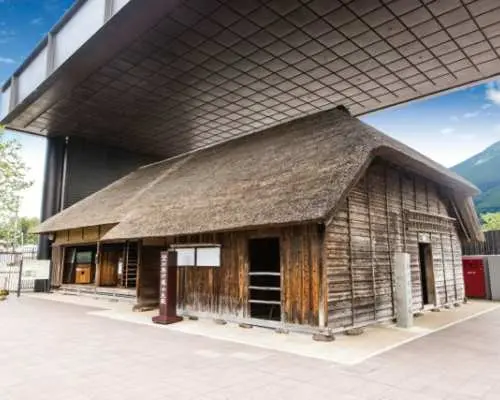
- Step into Hideyo Noguchi's birthplace, a registered tangible cultural property, and witness its preservation as it stands, immersing yourself in the essence of history
- Become Hideyo's assistant at this dedicated corner and delve into his world, discovering the challenges and triumphs he faced in his scientific pursuits
- Marvel at the only surviving handwritten letter sent to Hideyo in the United States, penned by his mother Shika, as it takes center stage in a compelling display, offering a poignant glimpse into their relationship
- Embark on an immersive journey into the captivating world of bacteria. The more you learn, the more intriguing it becomes, as exhibits and interactive elements keep you curious
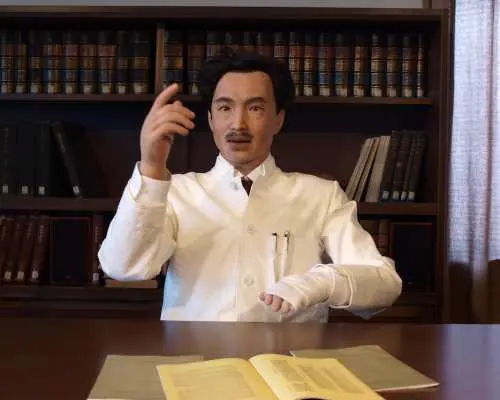
- Encounter the lifelike Hideyo Noguchi Android, poised and ready to engage in realistic movements, a unique opportunity to witness the essence of this remarkable scientist come to life before your eyes
- Be a part of history at Japan's first exhibition facility dedicated to infectious diseases, where cutting-edge displays and informative resources take you on an unparalleled exploration
- Expand your understanding of infectious diseases through engaging exhibits and enlightening videos that help you grasp the basic knowledge necessary to navigate the complexities


Purchase Notice
- Click here for the latest COVID-19 policy and measures (in Japanese only)
- Eating, drinking and smoking are not allowed inside the building
- Pets are not allowed, except for service dogs
- We are not responsible for any injury or theft
Reminders
[About presenting the admission ticket]
The admission ticket is an e-ticket, available in swipe or QR code format
Upon entry, please open the PDF file from "Reservation completed" and present your screen to the staff
Swiping the ticket early will render it invalid. Please follow staff instructions
1 group will only be issued 1 ticket. Please enter the venue only after everyone in your group has arrive
How to Redeem Your Voucher
How to Use Your Voucher
- Please present the e-voucher on-site
Meeting Point
Location Name: Hideyo Noguchi Memorial Hall
Address: 〒969-3284 Fukushima, Yama District, Inawashiro, Mitsuwa, Maeda−81Experience Location
Location Name: Hideyo Noguchi Memorial Foundation (Hideyo Noguchi Memorial Hall)
Address: 81 Maeda, Mitsuwa, Inawashiro-machi, Yama-gun, Fukushima Prefecture, 969-3284Opening hours
April to October: 9:00 to 17:30 (last entry 17:00)
November to March 9:00 to 16:30 (last entry 16:00)
Cancellation Policy
- Free cancellation!
- Due to time zone differences, the confirmed cancellation date is based on the supplier’s local time. Please allow 2–5 business days to process your cancellation request, after which the cancellation fee will be charged according to the product’s cancellation policy. Once the cancellation is confirmed, you will receive your refund within 14 working days.
FAQ
The Hideyo Noguchi Memorial Hall & Infectious Diseases Museum is located in Inawashiro, Fukushima Prefecture. To get there, you can take the JR Ban'etsu West Line to Inawashiro Station. From Inawashiro Station, take the Bandai Toto Bus towards Inawashiro Koko-mae (Inawashiro High School) and alight at the Noguchi Memorial Hall bus stop. The bus journey from the station typically takes about 10-15 minutes.
Hideyo Noguchi is primarily known for his extensive and groundbreaking research in bacteriology and immunology, particularly his work on infectious diseases such as yellow fever and syphilis. He dedicated his career to identifying pathogens and understanding disease mechanisms, conducting research across various countries under challenging conditions.
As a prominent Japanese scientist, Hideyo Noguchi's primary area of research focused heavily on yellow fever. He undertook significant field studies and laboratory investigations in regions affected by the disease, including Ecuador and Africa, with the goal of isolating its causative agent and contributing to its prevention. His work also extended to other infectious diseases like syphilis.
Hideyo Noguchi made several key contributions to medical science, including culturing the syphilis spirochete and investigating its role in neurological conditions like general paresis. His dedicated efforts also advanced the understanding and diagnosis of yellow fever, although some of his specific findings regarding its pathogen were later refined by subsequent research.
At the Hideyo Noguchi Memorial Hall, visitors can explore interactive exhibits that vividly portray his life and scientific journey. Highlights include a recreation of his childhood home, offering a glimpse into his early life, and dynamic displays detailing his research methods and discoveries in bacteriology. These exhibits aim to educate and inspire visitors about his enduring legacy in medical science.
The Infectious Diseases Museum covers a broad range of topics related to the history, present, and future of infectious diseases. It provides fundamental knowledge about pathogens, explores the challenges posed by various diseases, and showcases scientific advancements in combating them. The museum uses vivid photographs, informative panels, and engaging videos to introduce these complex subjects to visitors.
Yes, the Infectious Diseases Museum offers engaging hands-on activities specifically designed to make learning about bacteria an exciting and immersive experience. These interactive elements allow visitors, including children, to explore the microscopic world of pathogens and grasp the fundamental aspects of their characteristics and impact through playful and educational participation.
The main purpose of the Hideyo Noguchi Memorial Hall is to commemorate and celebrate the life and groundbreaking scientific achievements of Hideyo Noguchi. It serves to preserve his legacy, educate the public about his significant contributions to infectious disease research, and inspire future generations to pursue careers in science and medicine by showcasing his dedication and perseverance.
Get Help


