


[Xi'an Attractions] Huaqing Palace Tickets
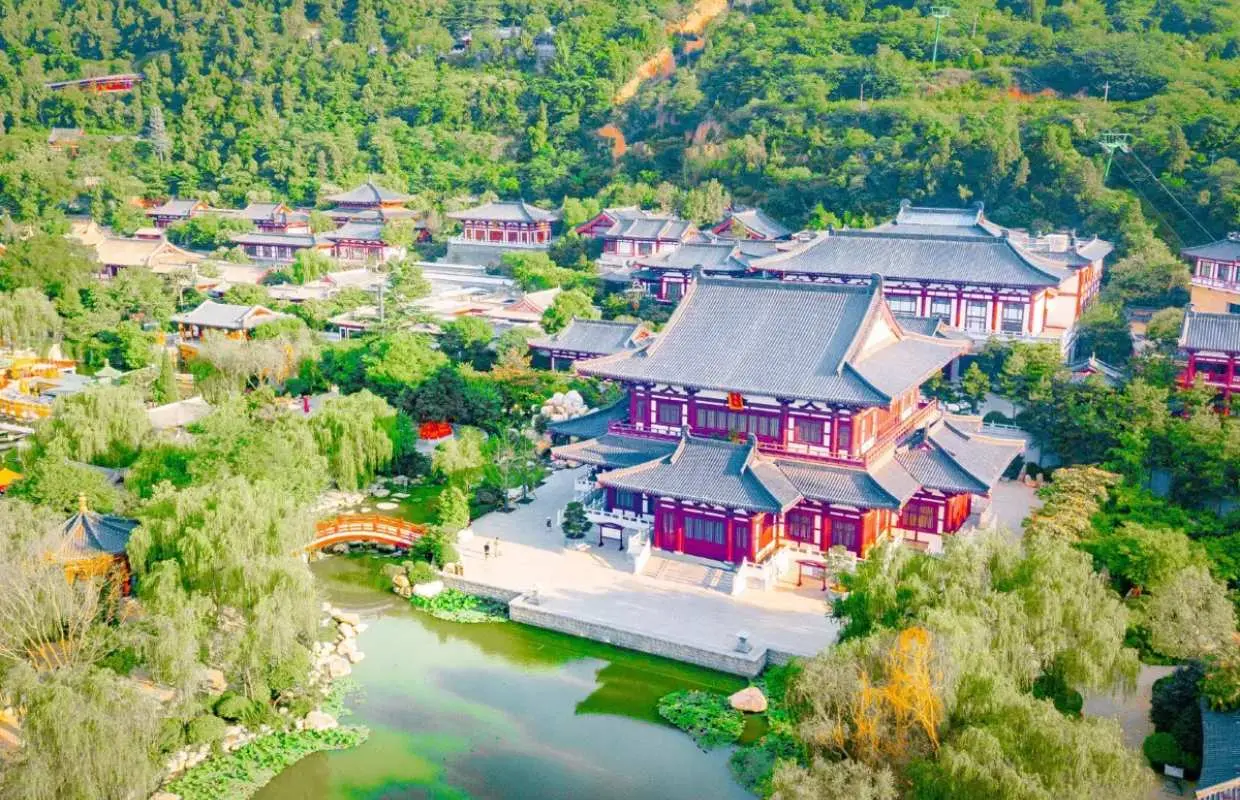
- Visit Huaqing Palace (Huaqing Pool • Lishan), located 30 kilometers east of Xi'an, adjacent to the Terracotta Army. Experience its timeless hot springs and rich history, which have gained international acclaim, making it a landmark destination for Tang Dynasty cultural tourism in China.
Attraction Tickets
| Exhibit type | Historical exhibits |
| Attraction type | History & culture, Traditional house experience |
| Natural scenery | Mountains |
Product Info
The content of this product is provided by machine translation and may not reflect the actual information, please take this into consideration before booking.
— Attractions —
Huaqing Palace on the outskirts of Xi'an has been a hot spring bathing resort since ancient times and was also the place where the Xi'an Incident took place. In the southern part of the scenic spot, the "Five Rooms Hall", the former site of Chiang Kai-shek's residence, is completely preserved. The walls still have bullet marks from the fierce fighting during the incident.


During the reign of Emperor Xuanzong of the Tang Dynasty, this was a bathing place for the royal family and princes and ministers. Today, you can still see the imperial soup pools used by Emperor Xuanzong of the Tang Dynasty and Yang Guifei, which are called Lotus Soup and Begonia Soup respectively.


How to Redeem Your Voucher
How to Use Your Voucher
- Please present the e-voucher on-site
Validity Period
- The voucher must be used on the selected date and within operating hours; Invalid after expiration
Experience Location
Location Name: Experience location
Address: Huaqing Palace07:30-17:00, the actual time is mainly announced by the scenic spot
Cancellation Policy
- Once the order has been completed, it cannot be canceled, modified, or refunded
- Due to time zone differences, the confirmed cancellation date is based on the supplier’s local time. Please allow 2–5 business days to process your cancellation request, after which the cancellation fee will be charged according to the product’s cancellation policy. Once the cancellation is confirmed, you will receive your refund within 14 working days.
FAQ
To fully appreciate Huaqing Palace's historical sites and beautiful gardens, it's recommended to allocate at least 3 to 4 hours. This allows ample time to explore the imperial hot spring baths, the Five-Room Hall, and the picturesque grounds at the foot of Lishan Mountain. For those who wish to delve deeper into its rich history or attend cultural performances, a longer visit of half a day might be more suitable.
From Xi'an city center, you can take tourist bus line 306 (also known as "游5") from Xi'an Railway Station directly to Huaqing Palace. The journey typically takes about an hour. Alternatively, public buses like lines 914 or 915 also serve the route. Taxis or ride-hailing services offer a more direct and convenient option, taking approximately 40-50 minutes depending on traffic conditions.
Huaqing Palace is famed as the ancient hot spring palace of emperors, most notably Emperor Xuanzong and his concubine Yang Guifei during the Tang Dynasty. Key attractions include the Tang Dynasty Imperial Hot Spring Relics Museum, where you can see the bath sites of the emperor and Yang Guifei, the Five-Room Hall (a significant site of the Xi'an Incident), and the scenic gardens at the base of Lishan Mountain, offering a blend of history and natural beauty.
Huaqing Palace is conveniently located near the Terracotta Army. You can take a local public bus, such as lines 306, 914, or 915, which regularly operate between the two sites. The bus journey is short, typically taking about 15-20 minutes. Taxis or ride-hailing services are also readily available for a quick and direct transfer, making it easy to combine visits to both major attractions.
Absolutely. Huaqing Palace is highly recommended for those interested in Chinese history and culture, particularly the Tang Dynasty. It offers unique insights into imperial life, art, and the romantic saga of Emperor Xuanzong and Yang Guifei. The site combines ancient hot spring relics, significant historical events, and stunning classical gardens, providing a rich cultural experience that truly brings history to life.
Huaqing Palace is historically renowned for its natural hot springs, which were used by emperors and concubines for centuries. While the main focus today is on preserving and showcasing the ancient imperial bath sites as archaeological relics, visitors can observe the historical hot spring pools. The experience primarily involves viewing these heritage sites rather than active bathing within the historical complex itself.
The most pleasant times to visit Huaqing Palace are spring (March to May) and autumn (September to November). During these seasons, the weather is mild and comfortable, ideal for exploring the outdoor gardens and historical complexes without extreme heat or cold. Spring offers blooming flowers and lush greenery, while autumn brings beautiful foliage. Weekdays are generally less crowded than weekends and public holidays.
Beyond exploring the historical sites, Huaqing Palace is famous for its large-scale Tang Dynasty-themed song and dance performance, "The Song of Everlasting Sorrow" (長恨歌). This outdoor theatrical show, staged by the Lishan Mountain and Huaqing Pool, vividly recreates the love story of Emperor Xuanzong and Yang Guifei. Visitors can also take a cable car up Lishan Mountain for panoramic views of the palace and surrounding area.
Get Help


