
Get Exclusive App Deals
Product #619377
10
SaPa - Nam Cang | Hikking through Villages & Terraced Fields — 2-Day Tour | Departure from Hanoi

SaPa - Nam Cang | Hikking through Villages & Terraced Fields — 2-Day Tour | Departure from Hanoi


To be confirmed within 12 hour(s)
Duration:2 day(s)
Guided language: English / Français / Tiếng Việt
Free cancellation 5 day(s) prior to experience date
Please present the e-voucher on-site

Two days. Hanoi to three villages, two ethnic groups, and a valley most Sa Pa itineraries miss entirely.

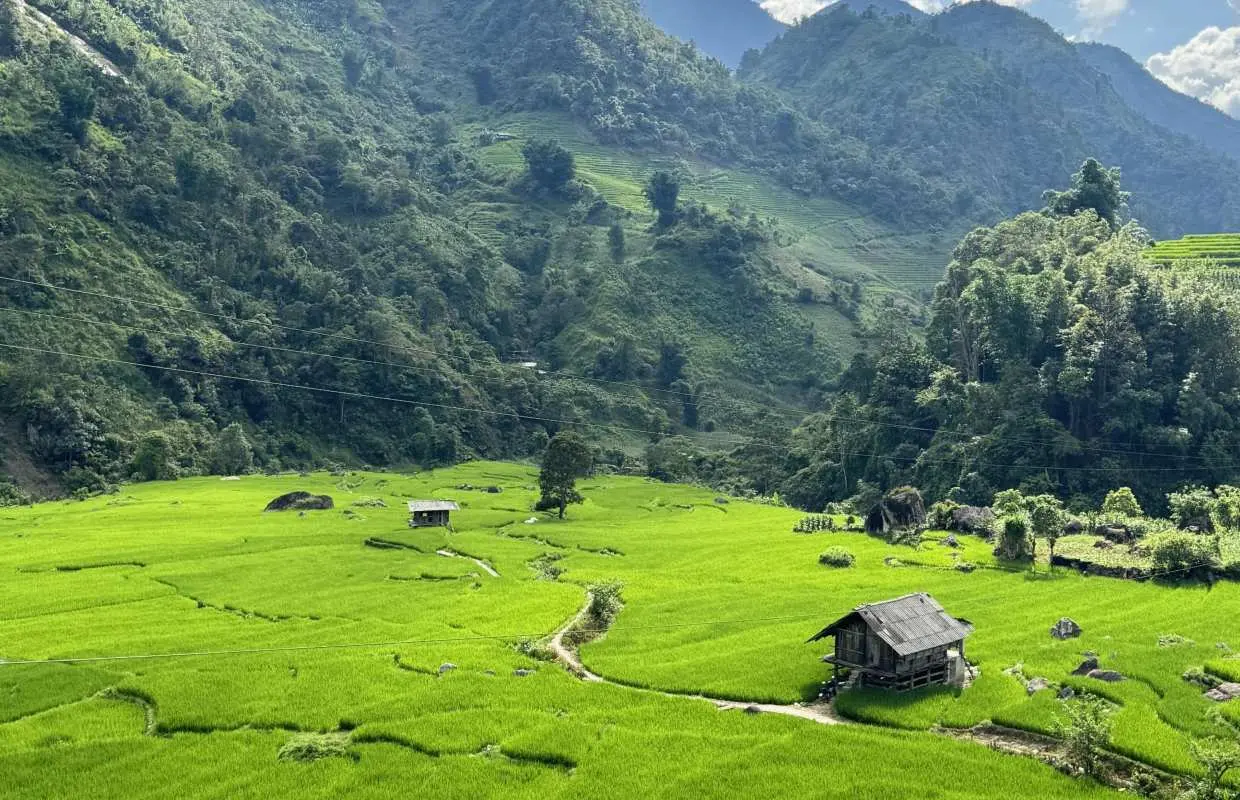
The standard Sa Pa day involves a minibus, a viewpoint, Cat Cat Village, and a cable car queue. Nậm Cang is 30km further south — past the road the coaches take — in a valley where the rice terraces are still farmed by Red Dao families who have lived here for generations. No gift shops at the trailhead. No entrance gate. Just the fields, the village, and a morning's walk to get there.

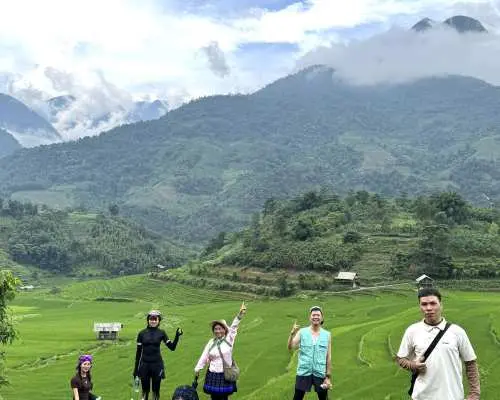
The 1-day route starts at Nậm Sài and follows the terrace edges all the way to Nậm Cang. Two hours of walking that covers more actual Sa Pa landscape than most visitors see in a week. Lunch is cooked at the village. The Unlock Challenge runs in the afternoon, in the fields.

[5% App discount] Code: APP5OFF , HK: APP15HK

Package Options

Details
Select a package to view details

Product Info

Nậm Cang is where the Sa Pa tourist circuit ends and the real valley begins.

Most of the trekking routes out of Sa Pa converge on the same few villages within a few kilometres of town — places that have adjusted to tourism so thoroughly that the experience of 'local life' is largely a performance. Nậm Cang sits 30km further south, past the road the minibuses use, in a section of the Hoàng Liên Sơn range where the Red Dao community has had very little reason to rearrange itself for visitors.

The Red Dao are distinct from the H'Mông communities closer to Sa Pa town. The women's embroidery is more intricate, the headwear more elaborate, the knowledge of medicinal herbs deeper and more practically alive — the herbal bath tradition isn't a wellness product here, it's a functional practice that's been passed down for generations. You encounter all of this in the context of working village life, not a demonstration staged for tour groups.

The 2D1N route adds the Mường Hoa valley approach — through Ý Linh Hồ, a Black H'Mông settlement on the terrace edges above the valley floor, down to Tả Van for the night. Day 2 crosses from Tả Van to Giàng Tả Chải on foot, then connects to Nậm Cang by road and trail. Two days of walking that cover the full range of what the Sa Pa area actually contains, before most visitors have made it past the cable car.

Important Info

Reminders

  • A minimum of 1 traveler(s) are required for the tour to depart. If the number of participants does not reach the minimum requirement, the tour will be canceled. An email regarding tour cancellation will be sent 1 day(s) before the departure date

  • In case of delays caused by traffic, weather, or other force majeure factors resulting in the cancellation of some itinerary attractions, please contact customer service. We will arrange a partial refund for you

  • In the event of inclement weather such as typhoons or snowstorms, a decision on whether to cancel the tour will be made 2 day(s) before departure (local time 09:00). Notifications will then be sent via email

  • Travelers with the following conditions or other health issues that could be worsened by excessive stimulation should not participate in this activity: High blood pressure, Heart disease, Epilepsy, Pregnant women

  • Please arrive at the designated location 15 minute(s) before the scheduled departure time, as the tour will depart on time

FAQ

1. What are the altitude considerations for visitors hiking in Sapa's villages like Nam Cang and Nậm Sài?

Sapa town is generally situated around 1,600 meters (5,250 feet) above sea level. While hiking through villages like Nam Cang and Nậm Sài often involves descending into valleys, the overall altitude can still be noticeable. Most visitors do not experience severe altitude sickness at these elevations, but it's advisable to stay hydrated, walk at a comfortable pace, and be aware of any signs of discomfort. Consulting a doctor before travel is recommended if you have pre-existing health conditions.

2. What unique experiences can travelers expect when hiking through Sapa's less-visited villages such as Nam Cang, compared to more popular spots?

Hiking through Nam Cang offers an authentic glimpse into local life, far from the typical tourist crowds. You'll encounter Red Dao families still farming terraced rice fields as they have for generations, without the commercialized atmosphere of gift shops or entrance gates found in more popular areas like Cat Cat Village. The experience focuses on the natural landscape, the village, and direct, respectful interaction with the local community.

3. Which areas around Nam Cang offer the best views of Sapa's iconic terraced rice fields?

The best views of Sapa's terraced rice fields around Nam Cang can be found along the hiking route from Nậm Sài to Nam Cang. This path follows the terrace edges, offering expansive panoramic vistas of the valleys. These fields are actively farmed by local Red Dao families, providing not just scenic beauty but also a sense of living cultural heritage and an immersive experience in the rural landscape.

4. How do visitors typically get around to the remote villages like Nam Cang and Nậm Sài from the main town in Sapa?

Accessing remote villages like Nam Cang and Nậm Sài from Sapa town typically requires organized transportation, as they are located further off the main tourist routes. Many tours arrange private vehicles, such as minibuses or vans, for transfers to and from these areas. Once at the trailhead, exploration within the villages and fields is primarily done on foot through guided hikes, allowing for an immersive experience.

5. Are ridesharing services like Grab or local taxis available for transport to Sapa's more secluded villages such as Nậm Cang?

While ridesharing services like Grab might be limited or unavailable in the more secluded villages like Nậm Cang, local taxis or private car hires can sometimes be arranged from Sapa town. However, due to the remote nature of these villages, booking organized tours that include pre-arranged transportation is often the most reliable and convenient option for reaching them directly and ensuring a smooth journey.

6. How challenging is the hiking route between Nậm Sài and Nam Cang, and what duration should be expected for this trek?

The hiking route between Nậm Sài and Nam Cang involves walking along terrace edges and through varied village terrain. It is generally considered a moderate trek, suitable for most fitness levels, though good mobility is recommended. The walking portion of this route typically takes approximately two hours, offering an immersive experience through the Sapa landscape and its rural communities.

7. What type of 'Unlock Challenge' activities are involved during the Sapa tour in the fields around Nam Cang?

The 'Unlock Challenge' activities conducted in the fields around Nam Cang are designed to be an interactive and engaging experience. While specific details may vary, these challenges typically involve team-based tasks or cultural games that encourage participants to explore and interact with the natural environment and local surroundings. They are usually lighthearted and aim to enhance the overall understanding and enjoyment of the village setting.

8. What kind of cultural interactions can travelers expect with the Red Dao families in villages like Nam Cang during the tour?

Travelers can expect authentic cultural interactions with Red Dao families in villages such as Nam Cang, who have maintained their traditional way of life for generations. This often includes observing their daily routines, learning about their farming practices in the terraced fields, and potentially sharing a meal prepared in the village. The focus is on respectful engagement and gaining insight into their customs and heritage rather than commercial transactions.

Get Help

KKday Help Center
