
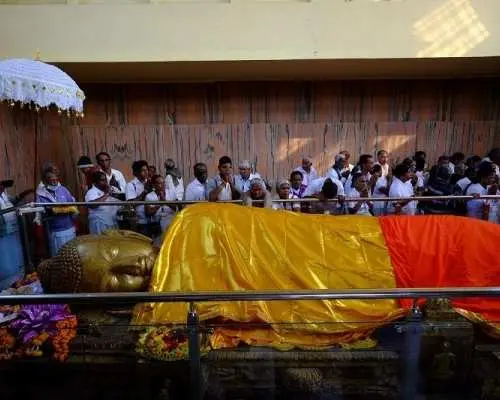
From Patna: 10 Days Grand Buddhist Pilgrimage Tour Across India and Nepal
- Visit the major Buddhist pilgrimage destinations across India and Nepal, including Lumbini, Bodh Gaya, Sarnath, Kushinagar, Sravasti, Rajgir and Nalanda.
- See the four principal sites associated with the life of Lord Buddha: Lumbini (Birthplace), Bodh Gaya (Enlightenment), Sarnath (First Sermon) and Kushinagar (Mahaparinirvana).
- Explore the UNESCO World Heritage-listed Mahabodhi Temple Complex, the sacred Bodhi Tree and other important landmarks connected to Buddha's enlightenment.
- Visit Lumbini and Kapilvastu in Nepal, including the Maya Devi Temple, Sacred Garden, Ashokan Pillar and archaeological remains associated with Prince Siddhartha.
- Discover Sravasti, where Lord Buddha spent many monsoon retreats, and visit Jetavana Monastery, Anand Bodhi Tree and other important Buddhist heritage sites.
- Explore Vaishali and Kesariya Stupa, significant destinations connected to Buddha's final journey and the history of Buddhism in ancient India.
- Visit Rajgir, Nalanda University and the historic Barabar Caves, showcasing Buddhist heritage, ancient centers of learning and Mauryan-era rock-cut architecture.
- Travel with private transportation and comfortable accommodations while covering the key destinations of the Buddhist Circuit across India and Nepal.
Package Options


Product Info
FAQ
1. What attire is appropriate for visiting Buddhist pilgrimage sites like the Mahabodhi Temple Complex?
When visiting Buddhist pilgrimage sites such as the Mahabodhi Temple Complex, it is appropriate to wear modest clothing. This means ensuring your shoulders and knees are covered. It is also customary to remove your shoes before entering temple premises or sacred inner sanctums. Comfortable footwear that is easy to slip on and off is recommended, as you will likely be removing them frequently throughout the tour.
2. What is the customary etiquette to observe when visiting sacred Buddhist sites such as Lumbini and Sarnath?
When visiting sacred Buddhist sites like Lumbini and Sarnath, observe respectful etiquette. Maintain a quiet demeanor, avoid loud conversations, and refrain from pointing your feet towards images of Buddha. Always seek permission before taking photos of people. Follow any specific rules posted at individual sites regarding photography, meditation areas, or restricted zones, ensuring you maintain a respectful presence.
3. Which four principal sites associated with Lord Buddha's life are visited on this pilgrimage tour?
This pilgrimage tour covers the four principal sites associated with the life of Lord Buddha. These include Lumbini in Nepal, his birthplace; Bodh Gaya in India, where he attained enlightenment under the sacred Bodhi Tree; Sarnath in India, where he delivered his first sermon; and Kushinagar in India, the site of his Mahaparinirvana (passing away).
4. What is the spiritual significance of visiting Bodh Gaya and the Bodhi Tree on the pilgrimage route?
Bodh Gaya holds profound spiritual significance as the sacred place where Prince Siddhartha Gautama attained enlightenment and became the Buddha. Pilgrims visit the UNESCO World Heritage-listed Mahabodhi Temple Complex, which encompasses the sacred Bodhi Tree. Meditating or circumambulating the Bodhi Tree is considered a deeply spiritual act, connecting visitors to the Buddha's profound realization and awakening.
5. What can pilgrims expect to see and experience at Lumbini, the birthplace of Lord Buddha?
At Lumbini, the birthplace of Lord Buddha in Nepal, pilgrims can explore the Maya Devi Temple, which marks the exact spot of Buddha's birth. The Sacred Garden surrounds the temple, featuring the Ashokan Pillar inscribed with a testament to Buddha's birth, and ancient archaeological remains of stupas and monasteries. It's a place for reflection and experiencing the profound origins of Buddhism.
6. What ancient ruins and heritage sites can be explored at Nalanda University and Rajgir?
In Nalanda, visitors can explore the extensive ruins of the ancient Nalanda University, once a renowned Buddhist monastic university and a vibrant center of learning. At Rajgir, key Buddhist heritage sites include the Vishwa Shanti Stupa (World Peace Pagoda), perched atop Ratnagiri Hill and accessible by ropeway. Also notable are Vulture Peak (Griddhakuta Hill) and the Saptaparni Cave, where the first Buddhist council is believed to have been held.
7. What is the historical importance of Vaishali and Kesariya Stupa in the Buddhist Circuit?
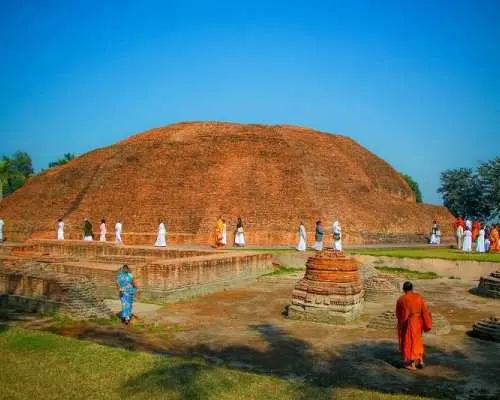
Vaishali is historically significant as the place where Lord Buddha delivered his final sermon before his Mahaparinirvana and announced his impending death. It's also where he accepted women into the Sangha. The nearby Kesariya Stupa is one of the world's tallest brick stupas and is believed to have been built to commemorate Buddha's visit and the spot where he gave his begging bowl to the Lichhavis, symbolizing his final departure.
8. What makes Sravasti a significant destination for followers of Lord Buddha?
Sravasti is highly significant because Lord Buddha spent a considerable portion of his monastic life here, including many monsoon retreats. Key sites include the Jetavana Monastery, where he delivered numerous sermons, and the Anand Bodhi Tree, believed to be an offspring of the original Bodhi Tree in Bodh Gaya. It offers a profound setting to connect with many of Buddha's original teachings and experiences.
Get Help


