


Mt. Fuji Summit 2-Day Tour from Tokyo | Yoshida Trail, Mountain Hut Stay, Sunrise Experience, Professional Guide
- Classic Yoshida Trail: Pray for safety at the Kitaguchi Hongu Fuji Sengen Shrine before challenging the 3,776-meter summit of Japan's highest peak.
- Professional Alpine Guide: Receive route guidance, climbing instructions, and safety support to help you complete your Mt. Fuji challenge with peace of mind.
- Mountain Hut Stay × Sunrise Summit: Stay in a mountain hut and depart early in the morning to reach the summit and witness the magical sunrise above the sea of clouds.
- International Traveler-Friendly One-Stop Experience: Transportation, accommodation, guides, and equipment rentals are all arranged for you. No need to carry a full set of gear from abroad; individual rental items can also be requested in advance. Receive a summit certificate upon completion, which can be mailed from the 5th Station post office with a special commemorative stamp.
- Special Hot Spring Experience: Enjoy a relaxing hot spring visit after your climb to soothe your fatigue and experience Japanese hot spring culture at the foot of Mt. Fuji.
Product Info
【Itinerary Introduction】
- DAY 1: Tokyo Shinjuku → Kitaguchi Hongu Fuji Sengen Shrine → Mt. Fuji 5th Station → Start Climbing → Check in at Mountain Hut
Depart from the meeting point at Ueno/Shinjuku in Tokyo and head to the Kitaguchi Hongu Fuji Sengen Shrine, a vital hub for Mt. Fuji worship, to experience the profound Japanese faith culture surrounding Mt. Fuji before your ascent. Next, proceed to the Yoshida 5th Station for lunch and final preparations. If you have rented equipment, you can pick up your items here; the tour leader will also provide a briefing on climbing precautions, the route, and safety, and lead a simple warm-up session. Once prepared, officially step onto the Yoshida Trail and begin your Mt. Fuji climbing journey. As the altitude gradually increases, experience the mountain landscape at different heights along the way before heading to the mountain hut to rest. - DAY 2: Summit for the Sunrise (Goraiko) → 5th Station → Hot Spring → Tokyo
Wake up early in the morning and continue toward the summit to challenge the highest peak of Mt. Fuji. If weather and climbing conditions permit, welcome the magnificent sunrise (Goraiko) at the summit and enjoy the breathtaking view of the morning light piercing through the sea of clouds. After completing the climb, return to the Yoshida 5th Station, pack your belongings, and take the private shuttle down the mountain. Then, head to a hot spring facility to fully relax your body after a night of climbing and enjoy a comfortable soak. Finally, take the private shuttle back to Tokyo Shinjuku, concluding your fulfilling and unforgettable two-day Mt. Fuji climbing journey.
【Special Arrangements】
- Mt. Fuji Faith Culture: Before stepping onto the traditional Yoshida Trail, visit the Kitaguchi Hongu Fuji Sengen Shrine to experience the millennium-old Mt. Fuji faith, adding a sense of ritual to your summit journey.
- Commemorative Climbing Certificate: Receive a climbing certificate after completing the Mt. Fuji challenge, serving as a precious souvenir for conquering Japan's highest peak.
- Post-Climb Hot Spring Healing: After completing the Mt. Fuji challenge, enjoy a Japanese-style hot spring at the foot of the mountain to thoroughly relax your tired body and mind.
【Mt. Fuji Climbing Precautions】
- Climbing Mt. Fuji is a high-altitude mountain activity, not a standard sightseeing tour, and requires a certain level of physical fitness and endurance. The climbing process may be affected by factors such as low temperatures, strong winds, rain, and high-altitude oxygen deficiency. Please evaluate your physical fitness, health condition, and climbing experience before booking. If you feel unwell, please inform the tour leader immediately and do not force yourself to continue climbing.
- This itinerary uses the Yoshida Trail as the main climbing route. The actual route and itinerary arrangements will be flexibly adjusted based on the day's weather, trail opening and control status, traffic, and on-site safety conditions. At least one professional mountain guide will accompany the group; the actual number of guides will depend on the number of participants and on-site arrangements. In case of severe weather or safety risks, the tour leader will prioritize passenger safety and adjust, shorten, or terminate the itinerary if necessary.
- Weather in the Mt. Fuji area changes rapidly; even in summer, the summit can experience low temperatures, strong winds, and rain. Please prepare necessary items such as windproof and waterproof jackets, warm clothing, professional hiking shoes, headlamps, hiking poles, and drinking water. If you choose the equipment rental plan, we can assist in arranging climbing gear, so overseas travelers do not need to bring a full set of equipment from abroad. Mountain hut accommodation consists of simple shared dormitories in a high-altitude environment; room space and facilities are basic, and actual room types and beds are subject to the mountain hut's arrangements.
- This itinerary aims for reaching the summit and viewing the sunrise (Goraiko), but the actual ability to reach the summit or see the sunrise is subject to factors such as weather, visibility, trail controls, and the physical condition of the travelers, and cannot be guaranteed. If the summit or sunrise cannot be achieved due to safety reasons, this cannot be used as a reason for refunds or compensation. Whether the 'Ohachi-meguri' (crater rim circuit) is arranged depends on the day's weather, trail conditions, the physical strength of the travelers, and the tour leader's judgment; any related guide fees must be paid separately.
- The 2026 Mt. Fuji entry-related fees and climbing regulations are subject to the official announcements by the Japanese authorities for that year. The Mt. Fuji conservation donation is not included in the product price and must be paid separately by the traveler. Mt. Fuji climbing is significantly influenced by the natural environment and on-site conditions; the actual itinerary will prioritize passenger safety above all else. Please be sure to follow the instructions of the professional tour leader and be fully prepared; safety always comes before reaching the summit. For the latest regulations and precautions regarding Mt. Fuji climbing, please refer to the official Mt. Fuji climbing website: https://www.fujisan-climb.jp/zh-TW/

Reach the summit to greet the rising sun and witness the dreamlike moment of a magnificent sunrise over Mount Fuji above the sea of clouds.

Explore the magnificent landscape at the summit of Mount Fuji by circling the crater (Ohachi Pilgrimage) and get up close to the breathtaking volcanic wonders.

A complimentary exclusive mountaineering certificate will be provided, which can be mailed from the 5th Station Post Office and stamped with a limited-edition Mt. Fuji postmark, turning your summiting memories into a unique commemorative postcard.
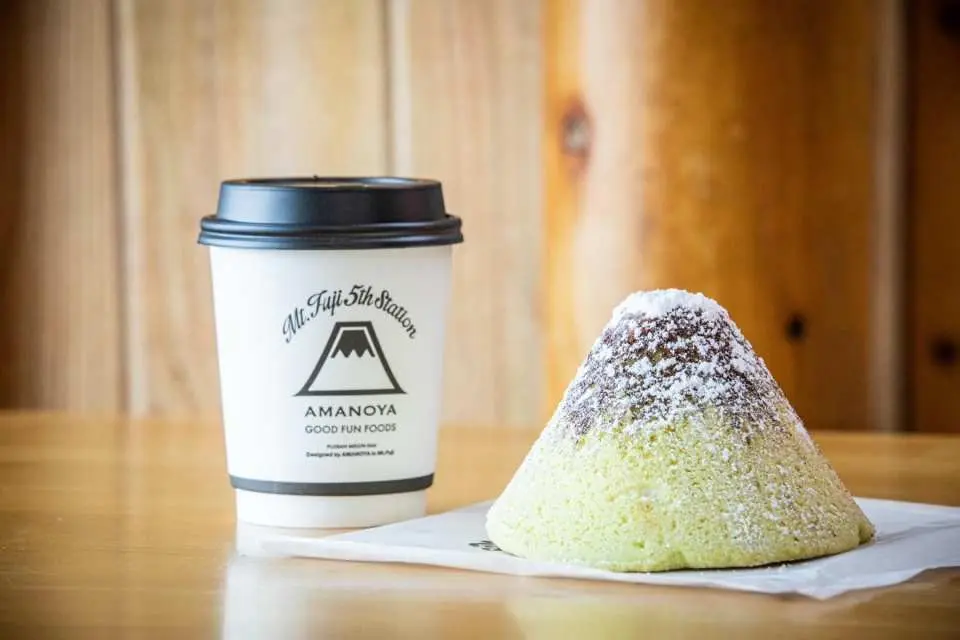
After descending the mountain, enjoy a moment of relaxation with bread and tea shaped like Mount Fuji.

Special arrangements for Mount Fuji: If you have any special wishes for a proposal, birthday, anniversary, or other special occasion, please feel free to contact us in advance. We will assist you with arrangements based on the actual situation to add an unforgettable memory to your trip.
Purchase Notice
[Tourism Conditions]
Travel departure point and destination: Tokyo and Yamanashi
Trip duration: 2 days
Transportation: Chartered bus
Bus company names: Sunshine Tourism / KEY JAPAN Co., Ltd. / Ryufuji Tourism, etc.
Meals: Breakfast 0 times, Lunch 0 times, Dinner 0 times
Accommodation facilities: None
Minimum group size: 10
Hiking guide: 1
Reminders
A minimum of 10 traveler(s) are required for the tour to depart. If the number of participants does not reach the minimum requirement, the tour will be canceled. An email regarding tour cancellation will be sent 14 day(s) before the departure date
In the event of inclement weather such as typhoons or snowstorms, a decision on whether to cancel the tour will be made 1 day(s) before departure (local time 18:00). Notifications will then be sent via email
Travelers with the following conditions or other health issues that could be worsened by excessive stimulation should not participate in this activity: Acrophobia, Asthma, Pregnant women, High blood pressure, Heart disease, Epilepsy
Please arrive at the designated location 10 minute(s) before the scheduled departure time, as the tour will depart on time
Please confirm the meeting time and location before departure and arrive before the designated time. Proactively seek out the LION guide to check in. The bus will depart on time as scheduled and will not wait for latecomers. If you are unable to join the tour due to lateness or other personal reasons, it will be considered a voluntary abandonment of the trip, and no refund or rescheduling will be offered.
The itinerary will be arranged according to the number of participants on the day, and the actual vehicle model and seating arrangement are subject to the schedule on the day. Each passenger is advised to bring a maximum of one piece of luggage. If you have large luggage or special luggage requirements, please be sure to inform us in advance so that we can confirm the vehicle and luggage space.
The planned itinerary and duration of stay are for reference only. Actual arrangements may be adjusted due to weather, traffic, trail conditions, opening hours of attractions and facilities, hut arrangements, or other unforeseen circumstances. Your understanding and cooperation are appreciated.
Meal details may vary depending on the restaurant's daily food availability; the actual meal will be provided on-site. Please inform us in advance if you have any dietary restrictions, food allergies, or special dietary needs.
The hot spring experience included in the itinerary is a specially arranged complimentary activity. In accordance with Japanese hot spring culture and the regulations of each hot spring facility, individuals with tattoos, tattoo stickers, body paint, who are intoxicated, have skin diseases, or other infectious diseases may be unable to use the hot spring facilities. Actual admission regulations are subject to the announcements of the hot spring facilities on the day of your visit. If you are unable to use the hot spring due to the above reasons or personal factors, you are free to explore the surrounding area. No refunds or other compensation will be provided.
This itinerary aims to summit Mount Fuji, but success cannot be guaranteed. Weather conditions in the Mount Fuji area are rapidly changing, and the actual itinerary will be flexibly adjusted based on the weather, trail opening and control status, participants' physical condition, and on-site safety conditions. In the event of strong winds, heavy rain, thunderstorms, low temperatures, or other conditions unsuitable for climbing, the tour leader will prioritize participant safety and may adjust, shorten, suspend, or cancel parts of the itinerary if necessary. If the summit attempt is not completed due to the above factors, no refund or compensation will be provided.
Climbing Mount Fuji requires a certain level of physical strength and endurance and is not a typical sightseeing trip. Please confirm your physical fitness and climbing ability before registering, make thorough preparations before departure, and follow the instructions of the professional leader during the climb. Do not push yourself to climb.
The weather in the Mt. Fuji area changes rapidly, with large temperature differences between day and night. Even in summer, the summit can still experience low temperatures and strong winds. Please be sure to prepare a windproof and rainproof jacket, warm clothing, professional hiking boots, a headlamp, trekking poles, water, and other personal necessities. If you choose an equipment rental option, the equipment will be based on the actual contents and sizes provided by the rental shop. Overseas travelers can utilize the equipment rental service and do not need to bring a complete set of mountaineering equipment from overseas.
FAQ
1. How long does a typical Mount Fuji climb take from base to summit and back?
A guided Mount Fuji climbing tour typically spans two days. The first day involves ascending to a mountain hut for an overnight stay, allowing climbers to rest and acclimatize. The second day begins early with a pre-dawn climb to the summit to witness the sunrise, followed by the descent back down. This structured approach helps manage the physical demands and allows for a more fulfilling experience.
2. When is the official climbing season for Mount Fuji, and are there periods when climbing is restricted?
The official climbing season for Mount Fuji is typically limited to July and August each year. During these months, the mountain trails are open, mountain huts are operational, and weather conditions are generally more stable, making it the safest and most accessible period for climbers. Outside of this specific summer season, climbing Mount Fuji is highly restricted and often unsafe due to harsh weather, snow, and closed facilities.
3. What are the recommended ways to get to Mount Fuji's climbing trails from Tokyo?
For guided tours, transportation from Tokyo to Mount Fuji's climbing trails is often included. Tours typically depart from central Tokyo by bus, which takes climbers directly to the starting point of the climb, such as the 5th Station. For independent climbers, direct express buses are available from major Tokyo stations like Shinjuku, or you can take a train to a station near Mount Fuji (like Kawaguchiko) and then a local bus.
4. What kind of guided support is provided during a Mount Fuji climbing tour?
A professional, multi-lingual guide accompanies climbers throughout the entire Mount Fuji tour. The guide ensures safety, provides necessary support, and shares insights into the climbing culture. The tour also includes complete supplies and arrangements for overnight stays with meals at a mountain hut, designed to support even beginner climbers for a safe and successful ascent.
5. What unique experiences, such as the Goraiko sunrise, can climbers expect on Mount Fuji?
Climbers on Mount Fuji can look forward to several unforgettable experiences. The highlight is often the 'Goraiko,' the breathtaking sunrise viewed from the summit in the early morning. Additionally, an 'Ohachi-meguri' (crater rim walk) allows for a close-up view of the volcano's crater. After the descent, many tours include a relaxing hot spring experience to soothe muscles and enjoy panoramic views of Mount Fuji.
6. What is included in the mountain hut stay during a multi-day Mount Fuji climbing tour?
During a multi-day Mount Fuji climbing tour, an overnight stay in a mountain hut is included, providing essential rest and shelter. This experience typically comes with meals, allowing climbers to replenish their energy. Staying in a mountain hut is also an integral part of experiencing traditional Japanese climbing culture, offering a unique opportunity to rest and prepare for the summit ascent.
7. What specific preparations are advised for participants joining a Mount Fuji climbing tour?
Participants joining a Mount Fuji climbing tour should focus on both physical conditioning and appropriate gear. It's advisable to engage in regular cardio exercises prior to the climb. Essential gear includes sturdy hiking boots, layered clothing suitable for varying temperatures, rain gear, a headlamp, gloves, a hat, and personal medications. While tours provide support, personal readiness significantly enhances the experience.
8. After descending Mount Fuji, what relaxation options, like hot springs, are available for climbers?
After completing the descent from Mount Fuji, a popular and highly recommended relaxation option is to experience a Japanese hot spring (onsen). Many tours include this, allowing climbers to soothe tired muscles and unwind. These hot springs often offer magnificent views of Mount Fuji, providing a perfect way to reflect on the accomplishment while enjoying the surrounding natural beauty.


