


Tsum Valley Trek | Hidden Buddhist Valley, Mu Gompa & Remote Mountain Villages
- Tsum Valley: Trek through the hidden Tsum Valley, a pristine and culturally rich region of Nepal
- Mu Gompa: Visit Mu Gompa, an ancient and sacred Buddhist monastery
- Remote Villages: Explore remote mountain villages and experience authentic local life
- Culture: Discover Tibetan-influenced traditions, monasteries, and architecture
- Scenery: Walk amidst stunning Himalayan landscapes, including lush forests, rivers, and snow-capped peaks
- Local Hospitality: Interact with warm and welcoming locals, gaining insight into their traditions
- Adventure: Enjoy an off-the-beaten-path trekking experience away from crowds
- Suitable for: Moderate to experienced trekkers with a good level of physical fitness
Package Options


Product Info
- Duration: 15 Days
- Difficulty: Moderate; suitable for trekkers with good physical fitness
- Max Altitude: 4,200 m / 13,779 ft (Ganesh Himal Base Camp)
- Best Season: March-May (Spring), September-November (Autumn)
- Starting Point: Kathmandu, Nepal
- Ending Point: Kathmandu, Nepal
- Trekking Style: Cultural and scenic Himalayan trek
- Accommodation: Hotels in Kathmandu; tea houses and lodges during the trek
- Guides & Support: Experienced English-speaking guide and porters provided
- Permits: Manaslu Conservation Area Permit and Tsum Valley Restricted Area Permit included
- Transportation: Airport transfers and local drives as per itinerary
- Highlights: Mu Gompa monastery, Rachen Gompa, remote Tsum villages, pristine landscapes, panoramic Himalayan views
- Cultural Experience: Interact with locals, experience Tibetan-Buddhist traditions, festivals, and village life
- Wildlife & Nature: Spot Himalayan flora and fauna in the Manaslu Conservation Area
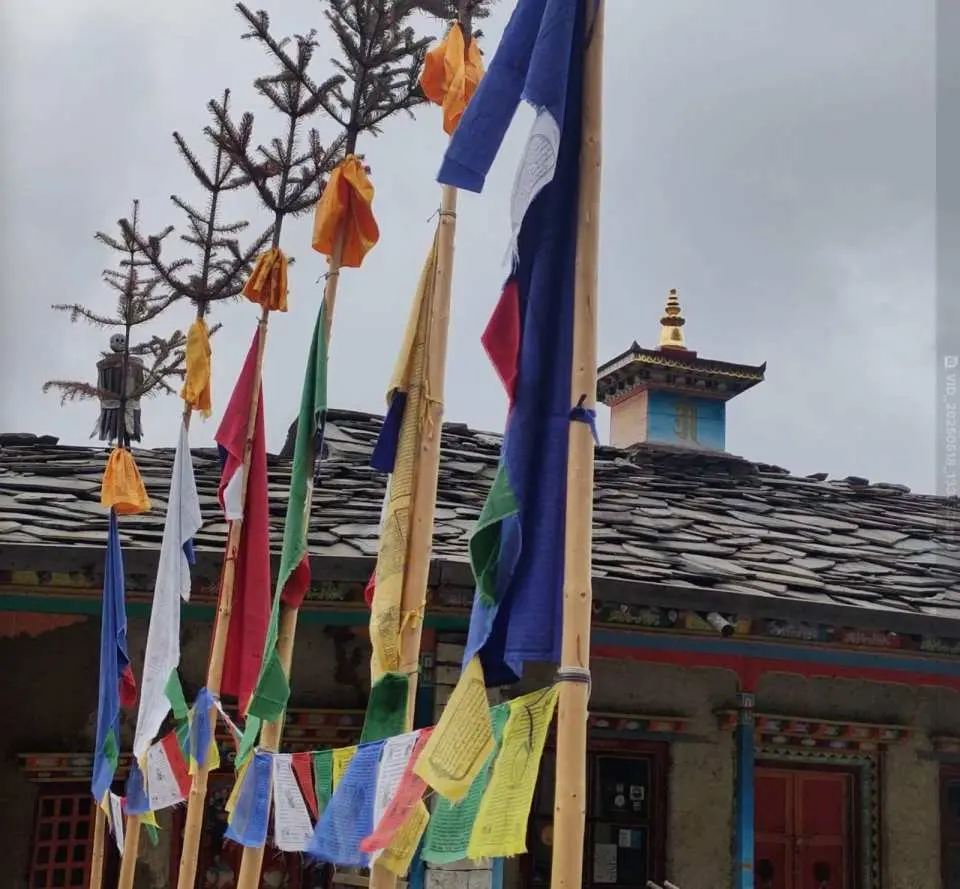
Tsum Valley, nestled in the northern part of the Gorkha district in Nepal, is a hidden Himalayan gem known for its pristine natural beauty and rich Tibetan-Buddhist culture. Often called the “Hidden Valley,” it remained isolated for centuries, preserving its ancient traditions, monasteries, and unique village life. The valley is dotted with remote settlements, mani walls, chortens, and sacred monasteries, including the famous Mu Gompa, where monks practice age-old rituals.
Purchase Notice
Before booking, please note that the Tsum Valley Trek is a moderate to challenging adventure requiring a good level of physical fitness. Travelers should ensure they have appropriate trekking gear, travel insurance, and any necessary vaccinations. Permits for the Manaslu Conservation Area and Tsum Valley Restricted Zone are included in the package, but personal documents like passports are mandatory for processing. Please review the itinerary, inclusions, and exclusions carefully before purchase.
Reminders
FAQ
1. What is the typical duration for the Tsum Valley Trek?
The Tsum Valley Trek typically lasts around 14 to 18 days, depending on the specific itinerary and chosen pace. This duration allows trekkers to fully explore the hidden valley, visit key monasteries like Mu Gompa, immerse in local culture, and appreciate the stunning Himalayan landscapes without rushing. The trek generally starts from Arughat or Soti Khola and follows the Budhi Gandaki river, branching off into the Tsum region.
2. What unique cultural and spiritual experiences can trekkers expect in Tsum Valley?
In Tsum Valley, trekkers will discover a rich Tibetan-influenced Buddhist culture, experiencing authentic traditions in remote mountain villages. You can visit ancient monasteries and sacred sites, with Mu Gompa being a significant highlight. Interactions with the warm and welcoming Tsum people offer insights into their unique way of life, ancient rituals, and traditional architecture, providing a profound spiritual immersion.
3. What budget considerations should I plan for the Tsum Valley Trek?
When planning for the Tsum Valley Trek, budget considerations should include permits (Manaslu Conservation Area Permit, Tsum Valley Restricted Area Permit), guide and porter fees, accommodation in guesthouses, and daily food expenses. Additionally, account for transportation to the trek's starting point, equipment rental, and personal expenses. It's advisable to carry sufficient local currency as ATMs are not available in the remote valley.
4. What are the key scenic highlights and natural features along the Tsum Valley Trek?
The Tsum Valley Trek showcases stunning Himalayan landscapes, including lush forests, pristine rivers, and majestic snow-capped peaks. Trekkers will witness panoramic views of mountains like Ganesh Himal, Sringi Himal, and Boudha Himal. The journey passes through diverse terrain, from terraced fields to high-alpine pastures, offering breathtaking natural beauty and a serene, off-the-beaten-path experience away from crowded trails.
5. What is the difficulty level of the Tsum Valley Trek, and what fitness is required?
The Tsum Valley Trek is generally considered moderate to challenging, suitable for individuals with a good level of physical fitness and some trekking experience. It involves long walking days, varied terrain including ascents and descents, and altitudes reaching above 3,500 meters (around Mu Gompa). Trekkers should be prepared for basic accommodation and remote conditions, making stamina and mental resilience important.
6. What is the significance of Mu Gompa within the Tsum Valley Trek?
Mu Gompa is one of the most significant and ancient Buddhist monasteries in Tsum Valley, nestled at a high altitude. It is a revered spiritual center and a key cultural highlight of the trek. Visiting Mu Gompa offers trekkers a profound spiritual immersion, allowing them to witness traditional Buddhist practices, intricate murals, and sacred relics, all set against a backdrop of breathtaking mountain views.
7. What kind of remote mountain villages will I encounter on the Tsum Valley Trek and what is local life like?
On the Tsum Valley Trek, you will explore remote mountain villages such as Lokpa, Chumling, Chhokangparo, and Nile. These villages offer a glimpse into an authentic local life largely untouched by modern influence, preserving Tibetan-influenced traditions. Villagers typically engage in farming, yak herding, and trade. Trekkers can experience their warm hospitality, observe daily routines, and appreciate their unique architecture and simple, sustainable lifestyle.
8. When is the best time of year to undertake the Tsum Valley Trek for optimal weather and views?
The optimal seasons for the Tsum Valley Trek are spring (March to May) and autumn (September to November). During these periods, the weather is generally stable with clear skies, offering excellent visibility of the Himalayan peaks and comfortable trekking temperatures. Spring brings blooming rhododendrons, while autumn provides crisp air and vibrant landscapes, both ideal for an enjoyable trekking experience.


