




Da Nang | Ao Dai City | Departure from Da Nang
- Get FREE E-sim when book this package
- Embrace the grace of Vietnam’s national costume - Ao Dai throughout the tour.
- Shooting photos with Iconic spots in Da Nang: Dragon Bridge & Carp-Dragon Statue
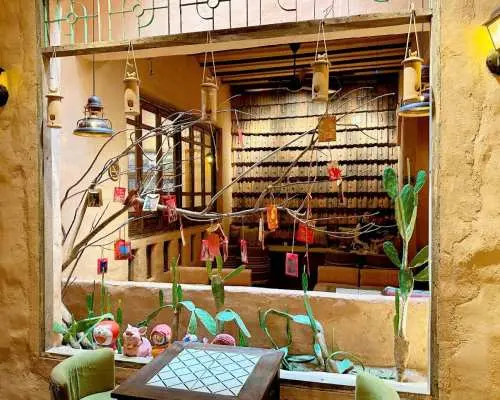
- Take a stylish coffee break in Hidden Gem Local Cafe
- Capture breathtaking photos in front of the vibrant "Pink Church," a must-see for architecture lovers.
Package Options


Product Info
Important Info
Reminders
A minimum of 2 traveler(s) are required for the tour to depart. If the number of participants does not reach the minimum requirement, the tour will be canceled. An email regarding tour cancellation will be sent 1 day(s) before the departure date
In the event of inclement weather such as typhoons or snowstorms, a decision on whether to cancel the tour will be made 1 day(s) before departure (local time 18:00). Notifications will then be sent via email
FAQ
1. What is the origin of the Ao Dai and its cultural significance in Vietnam?
The Ao Dai, Vietnam's national costume, has a rich history originating from the Nguyen Dynasty in the 18th century, evolving from simpler garments. It symbolizes the elegance, grace, and modesty of Vietnamese women. Today, it represents national pride and cultural heritage, reflecting the country's aesthetic values and traditions in its design and form.
2. Is it appropriate for foreign visitors to wear the Ao Dai in Da Nang?
Yes, it is generally considered appropriate and often appreciated when foreign visitors wear the Ao Dai in Da Nang. It can be seen as a sign of respect for Vietnamese culture. When wearing it, opt for designs that are modest and respectful, avoiding overly revealing styles. Embracing the Ao Dai during a city tour allows for a deeper immersion into the local culture and creates memorable experiences.
3. How should travelers correctly pronounce the term 'Ao Dai'?
To correctly pronounce 'Ao Dai,' travelers can break it down into two parts. 'Ao' is pronounced similarly to 'ow' as in 'how,' but with a slightly softer, rising tone. 'Dai' is pronounced like 'yie' or 'dye,' with a falling tone. The full pronunciation is roughly 'ow-yie,' ensuring the tones are subtle for accurate speaking.
4. Is the Ao Dai still widely worn in daily life in Vietnam today?
While the Ao Dai is not typically worn as everyday attire by most Vietnamese people, it maintains a significant presence for special occasions. It is commonly seen during formal events, weddings, traditional festivals, and as uniforms in schools and workplaces, particularly in tourism. Many visitors also embrace wearing it as part of their cultural experience in Vietnam.
5. What iconic landmarks can visitors explore in Da Nang City for cultural immersion and photos?
Da Nang City offers several iconic landmarks perfect for cultural immersion and photography. You can capture stunning photos at the majestic Dragon Bridge, especially during its evening light shows, and beside the unique Carp-Dragon Statue. The vibrant 'Pink Church,' with its distinctive architecture, is another must-see. These spots provide excellent backdrops for experiencing local culture and creating lasting memories.
6. What transportation options are convenient for exploring Da Nang's main attractions?
For exploring Da Nang's main attractions, various convenient transportation options are available. Taxis from reputable companies like Mai Linh and Vinasun are readily accessible. Ride-hailing apps such as Grab are widely used for cars and motorbikes, offering transparent pricing. For those comfortable, renting a scooter or motorbike provides flexibility. Walking is suitable for exploring smaller, concentrated areas, but for wider city exploration, other modes are recommended.
7. What unique local experiences, such as traditional coffee breaks, can be enjoyed in Da Nang?
In Da Nang, visitors can savor unique local experiences, especially traditional coffee breaks. Enjoy authentic Vietnamese coffee, including popular varieties like 'cà phê sữa đá' (iced milk coffee) or 'cà phê trứng' (egg coffee), at charming local cafes. Many hidden gem cafes offer a rustic, cozy setting perfect for relaxation and capturing memorable photos, providing a true taste of local life beyond the main attractions.
8. How long should one plan to explore the key cultural highlights and photo spots in Da Nang?
To thoroughly explore Da Nang's key cultural highlights and iconic photo spots, planning at least a full day, or ideally two days, is recommended. A focused city tour can efficiently cover major landmarks like the Dragon Bridge, Carp-Dragon Statue, and Pink Church within a single day. However, allocating more time allows for a relaxed pace, deeper cultural immersion, and enjoying local experiences such as traditional coffee breaks.


