



[Arita Town, Saga Prefecture] Taxi included! A 60-minute tour of Arita Town with a local guide!
- Visit the birthplace of Arita ware, Izumiyama Magnet Field
- The only shrine in the world made of porcelain!
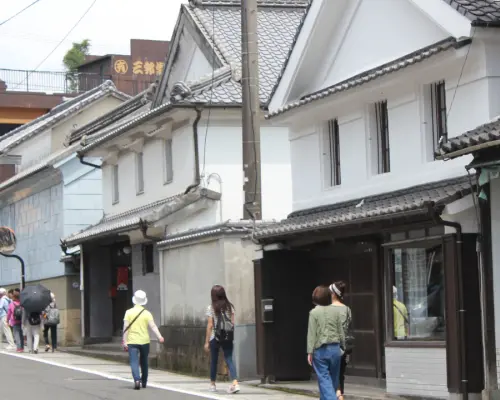
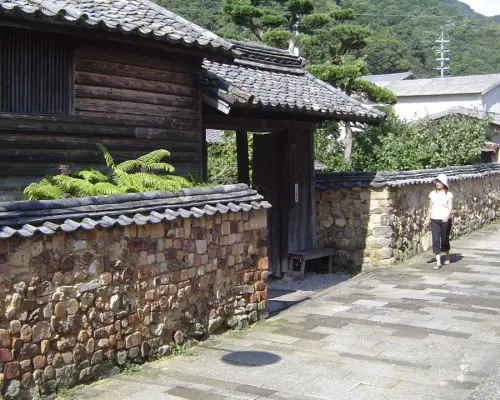
- Many photo spots! A townscape where art and faith blend together
- Easy to enjoy in a short time
Sightseeing Tours
| Tour Type | Small Group |
| Transportation method | Get there on your own |
| Tour types | Guided tour |
Product Info
Purchase Notice
If the tour is cancelled due to circumstances beyond our control, we will refund the full participation fee.
Reminders
Your guide will be waiting for you at Arita Station.
Most of the trip will be by taxi, but there will be some walking to some areas. Please wear comfortable shoes.
Cancellation Policy
- Cancellations 2 day(s) (inclusive) before the selected date are allowed. Unused orders can be canceled for free
- For cancellations made 1 to 1 days prior to selected date, a cancellation fee of 50% will apply
- Cancellation is not allowed between 0–0 days from the selected date. Orders cannot be canceled or modified, and refunds will not be granted.
- Due to time zone differences, the confirmed cancellation date is based on the supplier’s local time. Please allow 2–5 business days to process your cancellation request, after which the cancellation fee will be charged according to the product’s cancellation policy. Once the cancellation is confirmed, you will receive your refund within 14 working days.
FAQ
Arita Town is renowned as the birthplace of Japan's first porcelain, Arita ware, boasting over 400 years of history. Its unique charm stems from a rich blend of traditional craftsmanship, historical streets like Tonbai Street with its distinctive ceramic chimneys, and the world's only porcelain shrine, Suyama Shrine. Visitors can immerse themselves in the deep ceramic culture, explore traditional workshops, and enjoy a picturesque townscape where art and history beautifully intertwine, making it a truly valuable cultural journey.
Arita ware holds profound historical and cultural significance as Japan's pioneering porcelain. Developed in the early 17th century, it quickly gained global recognition for its refined beauty, intricate designs, and durable quality, influencing ceramic art worldwide. It symbolizes Japan's artistic innovation and played a crucial role in the country's economic and cultural exchange, establishing a lasting legacy in fine art and craftsmanship that continues to be celebrated today.
Yes, visitors to Arita Town can still explore several active kilns and ceramic factories. Many workshops offer tours where you can observe artisans at work, learning about the porcelain-making process from raw materials sourced at Izumiyama Magnet Field to the final firing stages. Some venues also provide hands-on pottery experiences, allowing visitors to paint their own Arita ware, offering a deep, interactive insight into this traditional craft.
To reach Arita Town from Tokyo, the most common route involves taking a Shinkansen (bullet train) to Fukuoka (Hakata Station), a journey of approximately 5-6 hours. From Hakata Station, transfer to a local JR line, typically the limited express Midori, bound for Saga Prefecture, then switch to a local train to Arita Station. The entire journey takes approximately 7-8 hours, offering scenic views of Japan's diverse landscapes.
Within Arita Town, visitors can conveniently navigate using taxis, which are an efficient option for traveling between key attractions like Tonbai Street, Suyama Shrine, and Izumiyama Magnet Field, especially for those with limited time or mobility. Additionally, local buses connect major areas, and the town center is pleasantly walkable for exploring shops and traditional houses. Opting for a guided taxi tour provides the most streamlined way to visit multiple sites and gain local insights.
Arita Town is home to several unique historical sites. The Izumiyama Magnet Field is notably the quarry that supplied the essential raw materials for Arita ware for centuries, marking it as the birthplace of Japanese porcelain. Suyama Shrine stands out as the world's only shrine featuring intricate porcelain adornments, offering a truly distinctive cultural experience. Tonbai Street, with its traditional climbing kilns and iconic red-brick chimneys, also provides a compelling glimpse into the town's rich pottery heritage.
A 60-minute guided taxi tour in Arita Town provides an efficient and insightful way to explore the town's highlights. With a knowledgeable local guide, you can visit key sites such as a ceramics factory, Suyama Shrine, and Tonbai Street, gaining in-depth understanding of Arita ware's 400-year history and the town's photogenic townscape. The taxi ensures comfortable and quick travel between locations, maximizing your experience and covering significant ground within a short timeframe.
Arita Town offers numerous photogenic locations. Tonbai Street is highly recommended, known for its traditional houses, workshops, and distinctive red-brick chimneys made from discarded kiln materials, creating a nostalgic and picturesque atmosphere. Suyama Shrine, with its unique porcelain elements, also provides beautiful and unusual photo opportunities. Additionally, various vantage points throughout the town offer scenic views of the surrounding hillsides dotted with traditional ceramic workshops, blending natural beauty with historical architecture.
Get Help


