


[Eco Tour] Phillip Island Penguin Parade Express Tour | Victoria
Visit Phillip Island on this afternoon tour including the world-famous penguin parade!
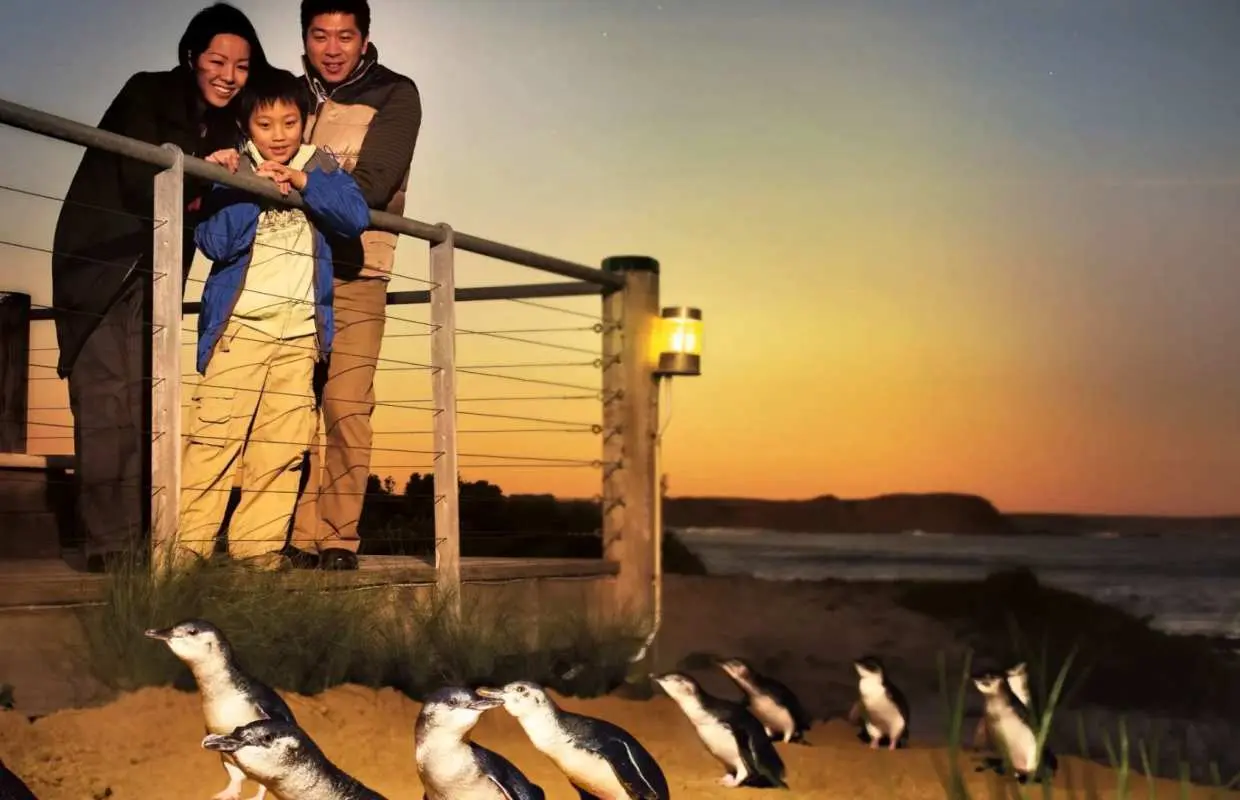
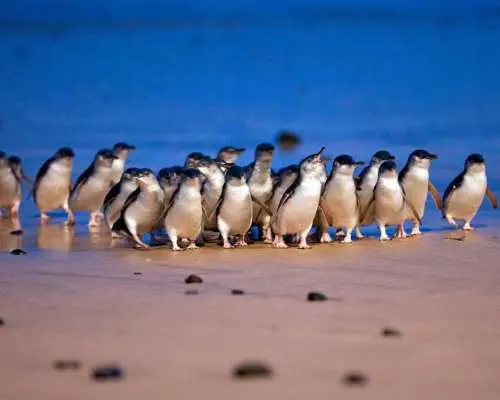
- Watch the world-famous Penguin Parade as hundreds of little penguins come out of the sea at dusk & head back to their burrows for the night
- See the best views of Phillip Island’s rugged south coast
Package Options


Sightseeing Tours
| Tour Type | Shared tour |
| Tour types | Guided tour, Audio guide |
| Sightseeing type | Natural sights, Eco-tourism, Islands tour |
Product Info
Important Info
Reminders
A minimum of 4 traveler(s) are required for the tour to depart. If the number of participants does not reach the minimum requirement, the tour will be canceled. An email regarding tour cancellation will be sent 3 day(s) before the departure date
Appropriate clothing for warm/cool conditions and camera
Please note photography is not permitted after sunset at the penguin parade
Please refer to your voucher for final information
Please arrive at the meeting point at least 10 to 15 minutes in advance as the bus will depart on time; re-entry or refunds will not be granted to late arrivals
Cancellation Policy
- Cancellations 2 day(s) (inclusive) before the selected date are allowed. Unused orders can be canceled for free
- Cancellation is not allowed between 0–1 days from the selected date. Orders cannot be canceled or modified, and refunds will not be granted.
- Due to time zone differences, the confirmed cancellation date is based on the supplier’s local time. Please allow 2–5 business days to process your cancellation request, after which the cancellation fee will be charged according to the product’s cancellation policy. Once the cancellation is confirmed, you will receive your refund within 14 working days.
FAQ
The Phillip Island Penguin Parade occurs at dusk each day. The exact start time varies seasonally throughout the year, as it depends on sunset. It's usually between 5:00 PM in winter and 8:00 PM in summer. Visitors should aim to arrive at the visitor center about an hour before the estimated start time to secure a good viewing spot and explore the facilities.
Yes, the Phillip Island Penguin Parade is widely considered a unique and worthwhile wildlife experience. It offers a rare opportunity to witness hundreds of little penguins emerge from the ocean and waddle across the beach to their burrows at dusk. Many visitors find it to be a magical and memorable natural spectacle, providing an unforgettable encounter with native Australian wildlife.
No, the Phillip Island Penguin Parade is a protected wildlife experience, and viewing requires an entry ticket to access the designated viewing areas. The fees collected contribute directly to the vital conservation efforts and ongoing maintenance of the natural habitat for the penguins. While various ticket types offer different viewing experiences, free public viewing is not available.
While the Penguin Parade is a captivating year-round event, many visitors find the warmer months, typically from December to February (Australian summer), to be ideal due to longer daylight hours and generally milder weather. However, the penguin numbers and their charming behavior remain consistent throughout the year, ensuring a great viewing opportunity in any season. Winter evenings can be colder but often less crowded.
Beyond the iconic Penguin Parade, visits to Phillip Island often include exploring Seal Rocks and the Nobbies boardwalk. From these locations, you can enjoy stunning panoramic coastal views and observe Australia's largest colony of Australian fur seals from a distance. The Nobbies Centre also offers informative interactive displays about the island's diverse marine life, adding to the overall experience.
To reach Phillip Island from Melbourne without self-driving, visitors commonly choose guided express tours. These tours typically include round-trip transportation directly from Melbourne, offering a convenient and hassle-free way to visit the Penguin Parade and other attractions like Seal Rocks. Public transport options such as trains or buses do not directly serve the Penguin Parade, making organized tours or private transfers a popular choice for convenience.
Yes, for an enhanced experience on the Phillip Island Penguin Parade tour, visitors are provided access to a downloadable audio guide app. This comprehensive app offers detailed commentary and insightful information about the wildlife and attractions in 16 different languages. These include Mandarin, Cantonese, Korean, and Japanese, ensuring international visitors can fully immerse themselves in the experience in their preferred language.
From the Nobbies boardwalk on Phillip Island, visitors can expect breathtaking panoramic views of Phillip Island's rugged south coast. You'll witness dramatic cliffs, the powerful spectacle of crashing waves, and the expansive Bass Strait. It is an excellent location for observing various seabirds and fully appreciating the natural beauty of the coastline. From designated lookout points, you can also spot Seal Rocks, home to Australia's largest fur seal colony.
Get Help


