


Japan|Nara World Heritage Temple Tour|Including Kamameshi Lunch and Matcha
- Book a Nara World Heritage Temple Tour through KKday and visit the Ikaruga and Nishi-no-kyo areas, which have the World Heritage "Buddhist Architecture in the Horyu-ji Area" and "Cultural Properties of Ancient Nara"!
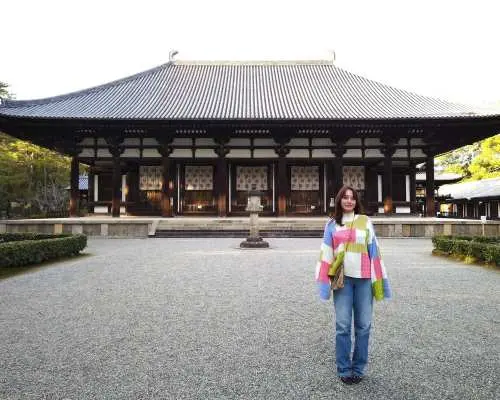
- The one-day tour will take you to visit the "Ikaruga no Sato" famous for Horyuji Temple, which has the oldest wooden building in the world, Yakushiji Temple, famous for the Hakuho Garan, and Toshodaiji Temple, which was founded by Jianzhen in the "Tempyo Roof".
- Foreign audio guides are provided in English and Chinese (Simplified Chinese and Traditional Chinese). Using the GPS function of your smartphone, the audio will automatically sync with the movement of the bus, providing commentary during the ride. When you get off the bus to tour, you can also click on the main attractions on the guide to listen to the audio guide.
- During the trip, you will be given English and Chinese (Simplified Chinese and Traditional Chinese) route maps of each destination, allowing you to explore at your own pace.
- After the trip, you can also get a cute deer senbei refrigerator magnet as a special gift!
Package Options


Sightseeing Tours
| Tour Type | Shared tour |
| Tour types | Audio guide |
| Meal arrangement | Lunch included, With Snacks |
| Family-friendly | Free for children under 6 (no seat) |
| Sightseeing type | Temples & shrines, Historic site tour, Bus tour |
| Transport | Bus tour |
Product Info
The content of this product is provided by machine translation and may not reflect the actual information, please take this into consideration before booking.
- Itinerary Introduction -
Explore the Ikaruga and Nishinokyo areas, home to the World Heritage Site "Buddhist Buildings in the Horyuji Area" and the "Ancient Capital Nara Cultural Properties"! The Nishinokyo day trip takes you to Ikaruga-no-sato, famous for Horyuji Temple, home to the world's oldest wooden building; Yakushi-ji Temple, famous for Hakuho Garan; and Toshodai-ji Temple, which was built by the monk Jianzhen on the "Tenpyō no Mausoleum".
This tour offers audio guides in English and Chinese (Simplified and Traditional); using your smartphone's GPS, the audio will automatically synchronize with the bus's movement, providing commentary during the ride. When you get off the bus, you can also click on the main attractions on the audio guide to listen to the audio narration.
At the same time, route maps in English and Chinese (Simplified and Traditional Chinese) will be distributed for each stop, which will not only guide your sightseeing, but also indicate the attractions with foreign audio guides, so you can explore at your own pace.
Finally, for all travelers participating in the trip, we will give away a cute deer-shaped rice cracker fridge magnet as a special gift!


A one-day tour to the Western Capital, explore at your own pace


Foreign audio guides are available in English and Chinese (Simplified Chinese and Traditional Chinese). Using the GPS function of your smartphone, the audio will automatically sync with the movement of the bus, providing commentary during the ride. When you get off the bus to tour, you can also click on the main attractions on the guide to listen to the audio guide.


Enjoy a Kamameshi set lunch


Enjoy Matcha at Jikoin Temple


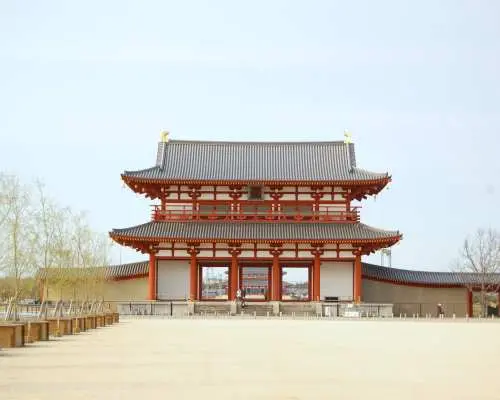
Heijō Palace ruins and Suzakumon Gate (view from the car window)
Important Info
Reminders
Please arrive at the designated location 10 minute(s) before the scheduled departure time, as the tour will depart on time
Please note that the operating company may choose to suspend or cancel the trip due to road conditions, wind, rain or other weather conditions that hinder safe operations.
Sightseeing spots, visiting sequence, time and price may be changed according to the situation on the day. The itinerary may be delayed, and the visiting sequence and time may be changed temporarily according to the traffic conditions on the day. Please understand.
The roads will be quite crowded during the tourist season. Please allow plenty of time for your return train.
Please be aware that some buildings and Buddha statues in the itinerary may have different views or may not be accessible due to construction or other factors.
Please note that some attractions may not be accessible due to festivals, etc.
Children under 6 years old are free, but no seats are provided. Please pay for children if necessary.
If you would like to know more about the event or cancel your order, please contact KKday Customer Service Center.
FAQ
1. What is the historical significance of Horyuji Temple, and why is it considered a World Heritage site?
Horyuji Temple is renowned for housing the world's oldest surviving wooden structures, primarily from the 7th century. Its profound historical significance lies in its role in the early introduction of Buddhism to Japan, reflecting the rich cultural and artistic influences of the Asuka period. It was designated a UNESCO World Heritage site for its exceptional Buddhist architecture and its pivotal contribution to the development of Japanese art and religion.
2. What is the primary religion associated with Horyuji Temple, and what makes its wooden architecture unique?
Horyuji Temple is a significant Buddhist temple, primarily associated with the Shōtoku sect of Buddhism. Its unique wooden architecture is a prime example of early Japanese Buddhist construction, showcasing sophisticated craftsmanship that has allowed the structures to endure for over a millennium. Features like the Five-story Pagoda and Golden Hall demonstrate architectural techniques and artistic styles from ancient East Asia, making them invaluable cultural treasures.
3. Which key structures should visitors focus on at Horyuji Temple, and what are their architectural highlights?
At Horyuji Temple, visitors should focus on the Western Precinct (Saiin Garan) and Eastern Precinct (Toin Garan). Key structures in the Western Precinct include the Golden Hall (Kondo) and the Five-story Pagoda (Goju-no-to), both among the world's oldest wooden buildings. The Golden Hall houses important Buddhist sculptures, while the pagoda is a striking symbol of early Japanese temple design. In the Eastern Precinct, the Yumedono (Hall of Dreams) is notable for its octagonal shape and historical significance.
4. What is the significance of the Hakuho Garan at Yakushiji Temple?
The Hakuho Garan at Yakushiji Temple refers to its distinctive temple complex, rebuilt in the Hakuhō style. It is significant for representing a rare and magnificent example of early Japanese Buddhist architecture and art, particularly its twin pagodas (East Pagoda and West Pagoda) which are emblematic of the Hakuhō period. The East Pagoda, an original structure, is considered one of Japan's most beautiful pagodas, showcasing intricate details and graceful lines.
5. What is the historical background of Toshodaiji Temple, particularly its founder Jianzhen and the 'Tempyo Roof'?
Toshodaiji Temple was founded in 759 AD by the revered Chinese monk Jianzhen (Ganjin in Japanese), who journeyed to Japan to establish proper Buddhist ordination practices. Its historical background is deeply tied to his perseverance and dedication. The 'Tempyo Roof' refers to the distinctive architectural style of its main hall, the Kondo, which is a prime example of the classical Tempyo period architecture, characterized by its imposing size, balanced proportions, and robust wooden construction.
6. How do the provided audio guides and route maps enhance the exploration of temples like Horyuji, Yakushiji, and Toshodaiji?
The provided foreign audio guides offer detailed commentary in English and Chinese, enriching your understanding of each temple's history, architecture, and cultural importance. Coupled with route maps, these resources allow you to explore Horyuji, Yakushiji, and Toshodaiji at your own pace. The guides highlight specific attractions and provide context, ensuring a comprehensive and engaging self-guided sightseeing experience, without missing key information.
7. What technology is used for commentary during the bus journey to the Nara World Heritage temples?
During the bus journey to the Nara World Heritage temples, the tour utilizes a foreign audio guide system that syncs automatically with the bus's movement via GPS. This technology provides seamless commentary as you travel, offering insights into the surrounding areas and preparing you for the historical sites ahead. It ensures you receive relevant information about the temples and regions visited, enhancing the educational aspect of the tour while on the move.
8. What kind of local lunch and tea experience, like Kamameshi and Matcha, is included during the Nara temple tour?
The Nara temple tour includes a traditional Kamameshi lunch, a Japanese rice dish cooked in an individual pot with various ingredients. This provides an authentic local dining experience. Following the meal, participants can enjoy a matcha tea experience, offering a taste of Japanese tea culture. This culinary interlude offers a moment of relaxation and cultural immersion amidst the temple visits, complementing the historical exploration with local flavors.


