


Musée de l'Orangerie: Entry Ticket
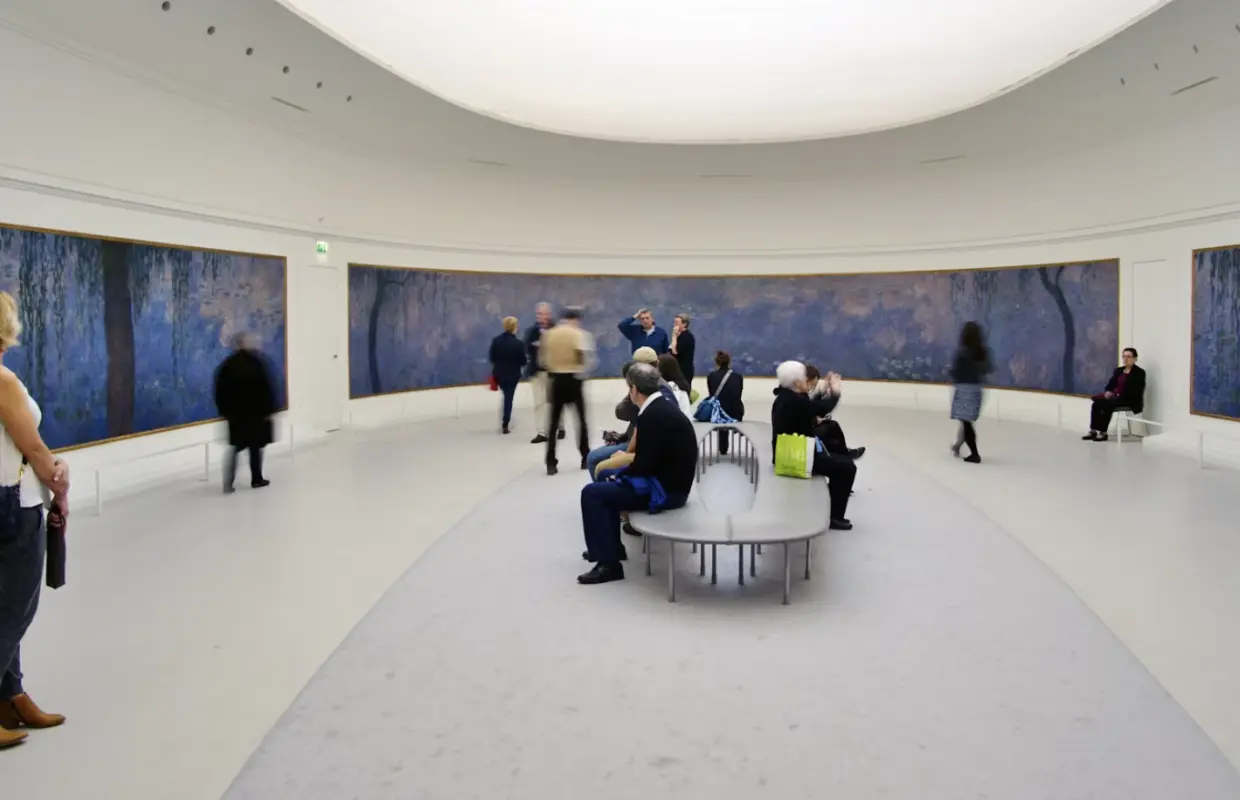
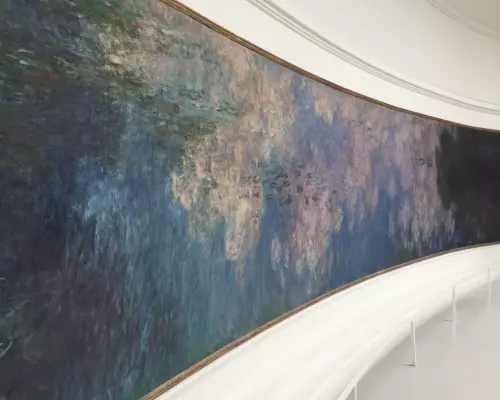
- Admire the iconic Water Lilies series displayed in two oval rooms, designed to immerse visitors in the serene beauty of Monet's vision
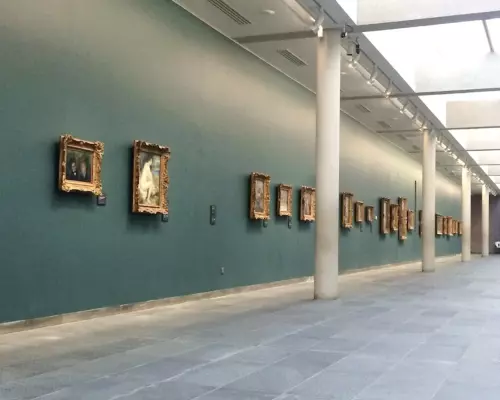
- Discover an impressive collection of works by Cézanne, Matisse, Picasso, Renoir, Rousseau, and other celebrated masters of Impressionism and Post-Impressionism
- Experience art in the light-filled and historic orangerie, nestled within the picturesque Tuileries Garden for a more tranquil alternative to larger Parisian museums
Package Options
Product Info
Purchase Notice
- Show your smartphone ticket at the Visitors with tickets line
- If you arrive outside your timeslot you forfeit your reserved access
- Your ticket remains valid on the day of reservation under the same waiting conditions as visitors without a time-stamped ticket
- Free on the first Sunday of each month
Reminders
Show your smartphone ticket at the Visitors with tickets line
If you arrive outside your timeslot you forfeit your reserved access
Your ticket remains valid on the day of reservation under the same waiting conditions as visitors without a time-stamped ticket
How to Redeem Your Voucher
How to Use Your Voucher
- Please present the e-voucher on-site
Meeting Point
Location Name: Musée de l'Orangerie
Address: Musée de l'OrangerieCancellation Policy
- Once the order has been completed, it cannot be canceled, modified, or refunded
- Due to time zone differences, the confirmed cancellation date is based on the supplier’s local time. Please allow 2–5 business days to process your cancellation request, after which the cancellation fee will be charged according to the product’s cancellation policy. Once your refund request is confirmed, KKday will initiate the refund to your original payment method within 15 days. The actual refund timing depends on your card-issuing bank’s policy.
FAQ
1. Is pre-booking recommended for visiting the Musée de l'Orangerie, and what does the entry ticket include?
Yes, pre-booking tickets for the Musée de l'Orangerie is highly recommended, especially during peak season, to secure your preferred entry time and avoid potential queues. Your entry ticket typically grants access to both Monet's iconic Water Lilies series displayed in the oval rooms and the impressive Jean Walter and Paul Guillaume collection, featuring works by masters like Cézanne, Matisse, Picasso, and Renoir. You can easily pre-book your tickets through KKday to enjoy the convenience of guaranteed entry and a smooth admission process.
2. What are the most convenient public transportation options to reach the Musée de l'Orangerie?
The Musée de l'Orangerie is conveniently located and easily accessible by Paris Metro. The closest stations are Concorde (Lines 1, 8, 12) and Tuileries (Line 1). From Concorde, it's just a short walk through the Tuileries Garden to the museum. Several bus lines also serve the area, including lines 24, 42, 52, 72, 73, 84, and 94, with stops near Place de la Concorde or Rue de Rivoli, providing excellent connections from various parts of Paris.
3. What is the typical recommended duration for a visit to the Musée de l'Orangerie?
A typical visit to the Musée de l'Orangerie usually takes between 1.5 to 2 hours. This allows ample time to fully appreciate Monet's large-scale Water Lilies panels, which are designed for immersive viewing, as well as to explore the rich collection of Impressionist and Post-Impressionist masterpieces downstairs. The museum is a compact size, making it a manageable and deeply rewarding experience without feeling rushed.
4. Are there any specific visitor guidelines or a dress code to observe at the Musée de l'Orangerie?
While there is no formal dress code for the Musée de l'Orangerie, comfortable clothing and shoes are recommended as you'll be on your feet. Visitors are generally asked to refrain from bringing large bags or backpacks into the exhibition rooms; lockers are usually available for storage. Food and drinks are not permitted inside the galleries, and flash photography is typically prohibited to protect the artworks. Please be mindful of other visitors and maintain a respectful distance from the art.
5. What are the key art collections and masterpieces on display at the Musée de l'Orangerie?
The Musée de l'Orangerie is most famous for housing Claude Monet's magnificent Water Lilies series (Nymphéas), displayed in two immersive oval rooms. These monumental canvases offer a serene and enveloping experience of Monet's artistic vision. Additionally, the museum presents the Jean Walter and Paul Guillaume collection, a remarkable ensemble of Impressionist and Post-Impressionist works by renowned artists such as Cézanne, Matisse, Picasso, Renoir, Rousseau, and Modigliani.
6. How does the Musée de l'Orangerie offer a unique art experience compared to other Parisian museums?
The Musée de l'Orangerie provides a uniquely intimate and serene art experience, primarily due to Monet's Water Lilies being displayed in their purpose-built, light-filled oval rooms, creating an unparalleled immersive environment. Unlike larger, often bustling Parisian museums, the Orangerie offers a more tranquil atmosphere, allowing visitors to engage deeply with the art. Its picturesque setting within the Tuileries Garden also contributes to a calm and reflective visit, making it a distinctive cultural escape.
7. What can visitors explore near the Musée de l'Orangerie in the Tuileries Garden area?
Nestled within the beautiful Tuileries Garden, the Musée de l'Orangerie offers an excellent starting point for further exploration. Visitors can take a leisurely stroll through the iconic gardens, enjoying sculptures, fountains, and classic Parisian landscapes. The museum is also just a short walk from the historic Place de la Concorde and the elegant Champs-Élysées. Across the Seine River, accessible via Pont de la Concorde, lies the Musée d'Orsay, while the Louvre Museum is also within easy reach, offering a wealth of cultural discoveries.
8. Is the Musée de l'Orangerie accessible for visitors with mobility impairments or disabilities?
Yes, the Musée de l'Orangerie is committed to providing accessibility for visitors with mobility impairments. The museum is equipped with elevators and ramps to facilitate movement between floors, including access to the immersive Water Lilies galleries and the lower-level collections. Accessible restrooms are also available. It is advisable to check the museum's official website or contact them directly for the most up-to-date information on specific facilities and services for visitors with disabilities.


