



Half Day Hoi An Private Cooking Class & Bamboo Round Boat Tour
- Experience delicious local food that you can cook easily with an inciteful cooking demonstration
- Explore fishing life in coconut forest- a place with a rich history
- Go sailing by basket boats on the way to the cooking class
Package Options


Sightseeing Tours
| Tour Type | Private tour |
| Sightseeing type | Japanese castles, Food tour・Izakaya Hopping |
| Transport | Sightseeing cruise |
Product Info
Important Info
Reminders
We are not responsible for your personal belongings (bags, wallet...)
We are not responsible for any stomach upset during or after the tour as new foods and new drinks at the new country is different at your hometown.
FAQ
The Japanese Covered Bridge itself does not require a separate ticket for entry. However, if you wish to enter the temple within the bridge or visit historical and cultural attractions within Hoi An Ancient Town, you will need to purchase an Ancient Town ticket. This ticket typically grants access to several designated sites within the town. Recommended attractions near the Japanese Covered Bridge include the Fujian Assembly Hall, the Quang Trieu Assembly Hall, the Tran Family Ancestral House, and the Hoi An Night Market, all of which are historical buildings and cultural experience zones within walking distance.
The journey from Da Nang to Hoi An takes approximately 45 minutes to 1 hour by car. You can opt for a taxi or Grab, which are the most convenient options with transparent pricing. Alternatively, you can book a private car transfer service for a more comfortable and flexible travel experience. If you're on a tighter budget, local buses are also an option, but be mindful of their schedules and drop-off points, which might be less convenient.
The half-day Hoi An itinerary allows you to experience the core activities of the cooking class and the basket boat tour. If you have ample time, it is highly recommended to arrange an overnight stay in Hoi An. Hoi An Ancient Town at night, illuminated by lanterns, offers a unique and charming atmosphere that cannot be fully appreciated during the day. Staying an extra night will allow you to delve deeper into the local culture and enjoy the distinctive night market and riverside scenery.
In Hoi An, you can find many unique souvenirs. Hoi An lanterns are highly recommended, as they are a local icon with vibrant colors and diverse designs. Additionally, custom-made clothing (such as Ao Dai or suits), silk products, leather goods, ceramics, and local specialty foods like Hoi An chili sauce, coffee beans, and spices are popular choices. You can find these items in the night market and the shops in the Ancient Town.
Hoi An private cooking classes typically teach how to prepare several classic Vietnamese local dishes. You'll have the opportunity to learn how to cook spring rolls (with shrimp or vegetarian options), Vietnamese pho, Vietnamese crepes, and the famous Cao Lầu or Mì Quảng. The classes will introduce ingredient selection and traditional cooking techniques, making it easy for participants to learn authentic flavors.
The Hoi An basket boat tour takes you deep into the coconut forest, offering an experience of the unique water life in the Vietnamese countryside. Visitors have the chance to try paddling a basket boat themselves, learn the traditional technique of casting a fishing net, and watch the unique basket boat stunts performed by local fishermen. This tour not only allows you to explore the natural scenery but also to closely experience the lifestyle and culture of local fishermen during the Vietnam War period.
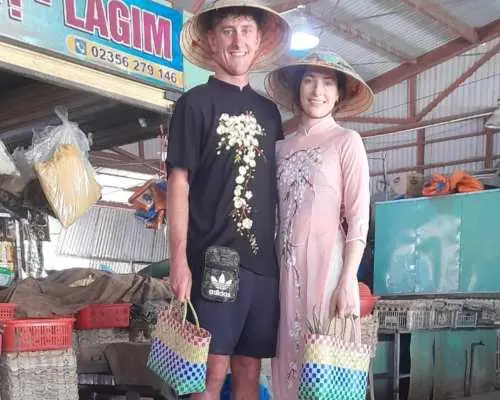
A half-day Hoi An tour typically combines a cooking class and a basket boat tour. The initial part of the itinerary might include a transfer from Hoi An Ancient Town to the market for ingredient shopping and a cultural tour. Afterward, you'll take a basket boat into the coconut forest for fishing activities and then head to the cooking classroom. The cooking class itself usually takes a few hours, giving you ample time to learn and taste. Overall, this tour aims to provide a deep dive into Hoi An's culinary culture and natural landscapes within half a day.
Hoi An cooking classes can typically accommodate participants with special dietary needs, such as vegetarian options, seafood allergies, or other ingredient restrictions. It is recommended to inform the organizer of your specific needs in advance when booking the tour or before the class begins. This allows the chef or instructor to prepare alternative ingredients or adjust recipes accordingly, ensuring that every participant can join safely and enjoy the cooking experience.
Get Help


