


Jeju Bonte Museum Admission Ticket | South Korea
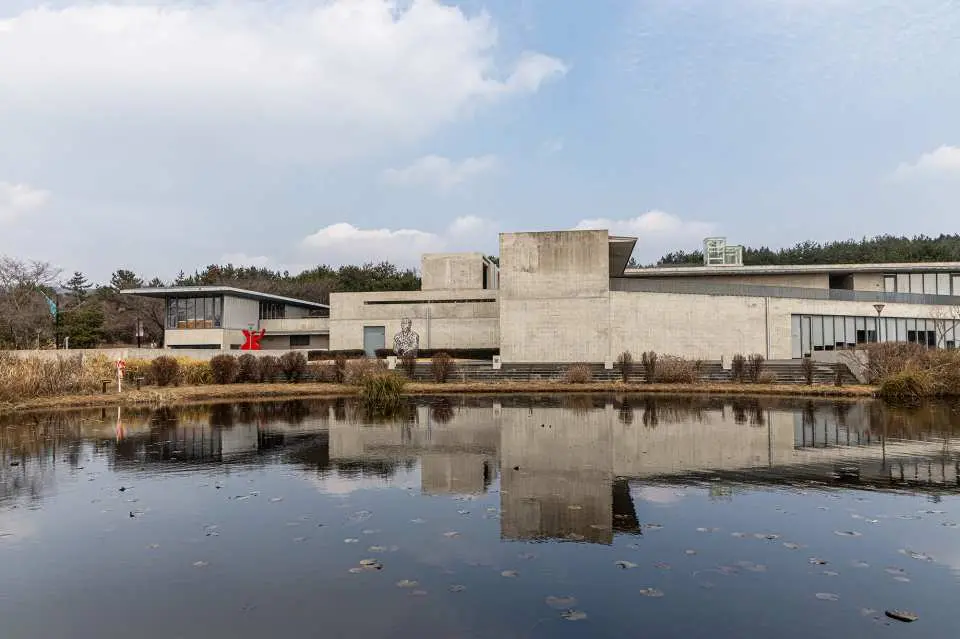
Visit Jeju Bonte Museum to see architectural designs by Tadao Ando, Yayoi Kusama's Pumpkins, the Infinity Mirror Room, and other original exhibits.
- Explore various exhibits to your heart's content
- Discover Yayoi Kusama's permanently installed masterpiece in the museum
- Take a photo with beautiful architecture in the background
- Cancel unused tickets within the validity period
Attraction Tickets
| Ticket type | E-ticket (direct entry) |
| Exhibit type | Art exhibits |
| Attraction type | Modern art |
| Tour types | None |
Product Info
The content of this product is provided by machine translation and may not reflect the actual information, please take this into consideration before booking.


Purchase Notice
- Children under 36 months receive free admission with documentation
How to Redeem Your Voucher
How to Use Your Voucher
- Please present the e-voucher on-site
Validity Period
- Valid for use within 30day(s) from the date of issue; Invalid after expiration
Experience Location
Location Name: Bonte Museum
Address: 69, Sanroknam-ro 762beon-gil, Andeok-myeon, Seogwipo-si, Jeju-do (380 Sangcheon-ri)Monday 10:00–18:00 (Last Entry Time: 17:00)
Tuesday 10:00–18:00 (Last Entry Time: 17:00)
Wednesday 10:00–18:00 (Last Entry Time: 17:00)
Thursday 10:00–18:00 (Last Entry Time: 17:00)
Friday 10:00–18:00 (Last Entry Time: 17:00)
Saturday 10:00–18:00 (Last Entry Time: 17:00)
Sunday 10:00–18:00 (Last Entry Time: 17:00)
Cancellation Policy
- Free cancellation is available for unused vouchers
- Due to time zone differences, the confirmed cancellation date is based on the supplier’s local time. Please allow 2–5 business days to process your cancellation request, after which the cancellation fee will be charged according to the product’s cancellation policy. Once the cancellation is confirmed, you will receive your refund within 14 working days.
FAQ
The Jeju Bonte Museum was designed by the renowned Japanese architect Tadao Ando. His signature style is evident throughout the museum, characterized by minimalist concrete structures, thoughtful use of natural light, and a harmonious integration with the surrounding natural landscape of Jeju. Notable features include open-air corridors, tranquil water features, and expansive views that create a serene and contemplative atmosphere for visitors.
Reaching Jeju Bonte Museum primarily requires a combination of public transport and taxi or self-driving, as direct public bus routes are limited. From Jeju International Airport, you can take an express bus (e.g., Route 181 or 182) to Seogwipo Intercity Bus Terminal. From there, taking a local taxi directly to the museum is the most convenient option. Alternatively, local buses might get you closer but often require additional transfers and walking. Renting a car or utilizing a private taxi service for the entire journey is also a popular choice for flexibility.
The Jeju Bonte Museum welcomes visitors of all ages, offering a cultural experience amidst art and architecture. Entry requires a valid admission ticket. Visitors should check the museum's operating hours before arrival, as last entry is typically 30-60 minutes before closing. Re-entry may be limited. While specific detailed policies might vary, general museum etiquette such as not touching exhibits and maintaining a respectful volume is expected from all guests.
You can conveniently purchase admission tickets for the Jeju Bonte Museum online in advance or directly at the museum entrance. For a hassle-free experience and to ensure your entry, booking through an online travel platform like KKday is recommended. KKday offers the advantage of instant confirmation and a secure booking process, allowing you to secure your tickets beforehand and enjoy seamless entry upon arrival, avoiding potential queues.
The Jeju Bonte Museum is home to several captivating art installations and permanent exhibits. A major highlight is Yayoi Kusama's iconic "Infinity Mirror Room – Gleaming Lights of the Souls," which offers a unique immersive experience. Additionally, the museum features various traditional Korean crafts, a collection of antique furniture, and contemporary art pieces that delve into different aspects of beauty and tradition.
Beyond its stunning architecture by Tadao Ando, visitors should prioritize experiencing Yayoi Kusama's "Infinity Mirror Room," a globally recognized immersive artwork. Exploring the traditional crafts and antique furniture galleries offers insight into Korean heritage. Don't miss the beautiful outdoor spaces and water features that complement the minimalist concrete buildings, providing excellent photo opportunities and tranquil spots for reflection.
The Jeju Bonte Museum is generally suitable for visitors of all ages, though young children should be supervised, especially near art installations and water features. There are no strict age restrictions for entry. Visitors are encouraged to move through the galleries respectfully, avoid touching the artworks, and follow any specific instructions provided by museum staff, particularly within interactive exhibits.
Most visitors typically spend between 1.5 to 2.5 hours exploring the Jeju Bonte Museum, depending on their interest level in each exhibit and the architecture. This allows ample time to appreciate Tadao Ando's design, experience the Infinity Mirror Room, and view the traditional art collections. Photography for personal use is generally permitted in most areas, but flash photography is usually prohibited, and specific restrictions might apply to certain artworks.
Get Help


