Get Exclusive App Deals
Normandy 1

Normandy

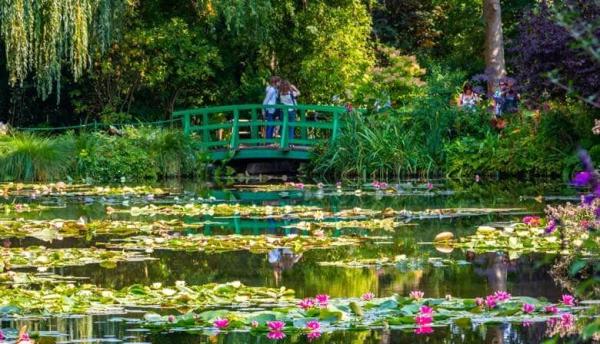
The Normandy region in northwestern France is home to beautiful beaches, historic towns and a rich cultural heritage. Normandy is a famous resort in France, attracting tourists from all over the world especially in the summer. There are many typical Norman-style villas built in the early 20th century, casinos, golf courses and world-famous horse racing tracks.

Top things to do in Normandy

Featured activity reviews in Normandy

Best time to visit Normandy

Data source: Meteostat・Last updated: 2025-09

Weather in Normandy throughout the year

Spring (March–May): Average 8.1–12.9°C, mild climate, low rainfall, sunny. Common activities: Outdoor walks, visiting historical sites, cycling. Recommended clothing: Light jacket, comfortable trousers or skirt, comfortable shoes.

Summer (June–August): Average 14.4–18.5°C, warm and dry climate, sunny, very low rainfall. Common activities: Beach activities, water sports, exploring the Normandy countryside. Recommended clothing: T-shirts, shorts, sandals, hat and sunscreen.

Autumn (September–November): Average 9.2–15°C, cool climate, slightly more rainfall in September, decreasing rainfall afterwards. Common activities: Admiring autumn scenery, tasting Normandy cuisine, visiting museums. Recommended clothing: Light jacket, long-sleeved shirts, comfortable trousers.

Winter (December–February): Average 4.7–8.5°C, cold and humid climate, low rainfall. Common activities: Indoor activities, visiting museums, enjoying Normandy cuisine. Recommended clothing: Warm coat, sweater, scarf, hat and gloves.

Weather in Normandy

Annual average temperature: approx. 11.6°C / Annual rainfall: approx. 39 mm / Summer humidity: 60%–70% / Rainiest month: September

Normandy weather by month

MonthJanuaryFebruaryMarchAprilMayJuneJulyAugustSeptemberOctoberNovemberDecember
Temperature4.7°C8.5°C8.1°C9.7°C12.9°C14.4°C17.5°C18.5°C15°C13°C9.2°C7.2°C
Rainfall (mm)3.14.23.12.63.722.61.963.33.63.2

7-day weather forecast for Normandy

Date11/6Friday11/7Saturday11/8Sunday11/9Monday11/10Tuesday11/11Wednesday11/12Thursday
WeatherSunnySunnySunnyOvercastPatchy rain nearbyCloudyLight rain shower
High11.7°C12.3°C12.5°C13.2°C16.5°C16°C16.4°C
Low3.2°C4.1°C3.2°C4.5°C9.9°C11.8°C11.9°C

Normandy travel FAQs and useful info

What is the best time of year to visit Normandy?

The best time to visit Normandy is from April to October for mild weather and longer days. June to August offer the most pleasant temperatures and the least amount of rain, though this is the peak tourist season. For fewer crowds and beautiful scenery, consider visiting in May or September, when you can also enjoy the autumn apple harvest and scallops. Avoid winter months November and December due to cold, wet, and windy weather, and potential museum closures. Peak Season June to August offers the warmest weather and longest days for outdoor activities like village festivals and horse racing, but expect the highest tourist crowds, especially at the D-Day sites. The shoulder seasons April to May and September to October provide beautiful scenery with fewer visitors.

How many days do you need to visit Normandy?

You need a minimum of 2 days in Normandy to see the D-Day beaches, but 3 days is ideal for covering the region's highlights like the D-Day sites, Mont Saint-Michel, and Étretat cliffs. A full week or more is possible to thoroughly explore the entire large region, including its villages, culinary scene, and various D-Day historical sites without feeling rushed. Consider if you want to see the main attractions quickly or prefer a more relaxed experience with time to explore charming villages and drive scenic routes. A 3-day trip is recommended for a self-drive road trip, giving you time for both iconic sites and spontaneous stops.

What are the culinary specialties of Normandy?

Normandy is renowned for its delectable culinary offerings, often summarized by the 'four C's': Cream, Camembert cheese, Cider, and Calvados. The pastoral countryside, full of orchards and stunning villages, provides the perfect setting for these famous products. Beyond these iconic items, Normandy also boasts excellent seafood, particularly scallops, and delicious apple-based desserts.

What is the best way to get around Normandy?

The most convenient way to visit Normandy is often by taking a train from Paris to a regional hub like Bayeux or Caen, followed by renting a car for exploring the D-Day beaches and scenic villages. Renting a car provides the flexibility to visit sites like Omaha Beach, Pointe du Hoc, and towns such as Honfleur and Étretat at your own pace. Alternatively, guided tours from Paris or Bayeux can simplify logistics if you prefer not to drive. You can also fly into a major city and then rent a car or take a train into the region.

What are the must-see historical sites in Normandy?

Normandy is steeped in history, most famously as the site of the D-Day landings during World War II. Key historical sites include the expansive D-Day beaches such as Omaha Beach, Utah Beach, and Juno Beach, as well as the American Cemetery at Colleville-sur-Mer, Pointe du Hoc, and the Caen Memorial Museum. Beyond WWII history, the stunning Mont Saint-Michel is a UNESCO World Heritage site and a medieval marvel.