




Package Options


Product Info
Purchase Notice
Reminders
Please refer to your voucher for final information regarding meeting points, pick-up locations, and pick-up time
Meeting point description: Meet at the main entrance to the Oslo City Museum in Frogner Park. Please arrive at the meeting point at least 15 minutes before the tour starts.(Oslo Museum, Halvdan Svartes gate 58, 0266 Oslo, Norway)
Know in advance:This tour is hosted by an independent local
You can choose between a shared tour of up to 8 people or a private experience just for your group
The experience begins on time and, for organisational reasons, cannot be delayed
The itinerary adapts to guests' interests and walking pace
Stops may vary depending on weather conditions
This is a walking tour of city highlights and does not include entry tickets for public transport, monuments, or attractions
FAQ
1. Why is Vigeland Park considered a must-visit attraction in Oslo?
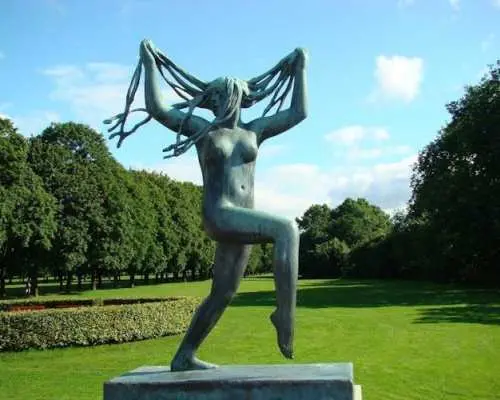
Vigeland Park is renowned globally as the largest sculpture park created by a single artist, Gustav Vigeland. It houses over 200 sculptures in bronze, granite, and wrought iron, collectively illustrating the human condition and the cycle of life. Its unique artistic vision and expansive outdoor exhibition make it a significant cultural landmark and a compelling destination in Oslo.
2. How much time should I allocate to explore Vigeland Park thoroughly?
To thoroughly explore Vigeland Park and fully appreciate its extensive collection of sculptures, most visitors typically allocate between 1.5 to 3 hours. This duration allows for a comfortable walk through the park's main sections, including the Bridge, the Fountain, the Monolith plateau, and the Wheel of Life, providing ample time to observe the intricate details of Gustav Vigeland's artwork.
3. What are the main highlights and must-see sculptures within Vigeland Park?
Key highlights in Vigeland Park include the impressive Main Gate, the Bridge adorned with 58 bronze sculptures, notably 'Sinnataggen' (The Angry Boy), and the grand Fountain. The Monolith Plateau is a central feature, dominated by the towering Monolith sculpture, which is surrounded by 36 granite sculpture groups depicting various stages of human life. The Wheel of Life, located at the far end of the park, is also a significant and symbolic piece.
4. Is there an entrance fee to visit Vigeland Park in Oslo?
No, there is no entrance fee to Vigeland Park itself. The park is freely accessible to the public year-round, 24 hours a day, allowing visitors to enjoy all its sculptures and green spaces without charge. However, it's important to note that guided tours or specific exhibitions within the adjacent Vigeland Museum may have associated costs.
5. What are the best ways to get to Vigeland Park from central Oslo?
Vigeland Park is easily accessible from central Oslo using public transport. You can take Tram Line 12 directly to the 'Vigelandsparken' stop, which is conveniently located at the park's main entrance. Additionally, several bus routes also serve the area. For those who enjoy walking, it's a pleasant 15-20 minute stroll from Frogner Park to Vigeland Park, offering scenic views along the way.
6. What unique insights or photo opportunities does a local guide offer at Vigeland Park?
A local guide significantly enhances a visit to Vigeland Park by offering deep insights into Gustav Vigeland's life, artistic philosophy, and the profound symbolism embedded in his sculptures. They can highlight lesser-known 'photogenic spots' and provide expert tips for capturing the sculptures and park scenery in the best light and angles. This transforms the visit into a more visually rich and informative experience, allowing for a deeper connection with the art.
7. Is Vigeland Park accessible for visitors with strollers or mobility limitations?
Yes, Vigeland Park is generally very accessible for visitors with strollers or mobility limitations. Most of the main paths are paved, wide, and relatively flat, making them suitable for easy navigation. Where necessary, ramps are provided, particularly around key viewing areas. While some smaller, unpaved paths or grassy sections might be uneven, the primary routes offer a comfortable experience. Restroom facilities designed for disabled visitors are also available within the park's vicinity.
8. When is the best time of day or year to visit Vigeland Park for photography?
For optimal photography at Vigeland Park, the 'golden hour'—shortly after sunrise or before sunset—provides soft, warm light that beautifully illuminates the sculptures. Visiting in the early morning is also excellent to avoid crowds and capture serene shots. Seasonally, spring and autumn offer vibrant natural backdrops with blooming flowers or colorful foliage, while winter, especially with a fresh snowfall, creates a unique, stark contrast against the bronze and granite sculptures.


