


Package Options


Product Info
Purchase Notice
Duration: Lasts 1 hour 30 minutes
Reminders
Please refer to your voucher for final information regarding meeting points, pick-up locations, and pick-up time
Meeting point description: Kindly meet at the Triumphal Arch! Please be at the meeting location 15 minutes before the tour starts.(Triumphpforte, Leopoldstraße 2, 6020 Innsbruck, Austria)
Know in advance:This tour is hosted by an independent local
You will be part of a small group of up to 8 travellers
The itinerary adapts to travellers' interests and walking pace
Stops may vary depending on weather conditions
Entry tickets for transportation, museums, and monuments are excluded
FAQ
1. What local life and city atmosphere can I experience on an art and culture guided tour in Innsbruck?
Through a private guided tour with a local, you'll have the opportunity to gain an in-depth understanding of daily life in Innsbruck, as well as the art and cultural elements that shape the city's unique atmosphere. The tour will lead you to explore from a local's perspective, discovering the city's blend of tradition and modernity, and experiencing its distinctive charm and cultural heritage.
2. What is the best season to travel to Innsbruck and how should I prepare?
Innsbruck has its own unique charm year-round. Summer (June-August) is ideal for outdoor activities and hiking with pleasant weather. Winter (December-February) is the prime time for skiing and Christmas markets, filled with festive spirit. Spring and autumn (April-May, September-October) offer comfortable climates suitable for sightseeing and avoiding crowds. Regardless of the season, it's advisable to check the local weather forecast and pack appropriate clothing. Temperatures can vary significantly in mountainous regions, making layered clothing a good choice.
3. Which magnificent mountain ranges surround Innsbruck, and how do they influence its cultural atmosphere?
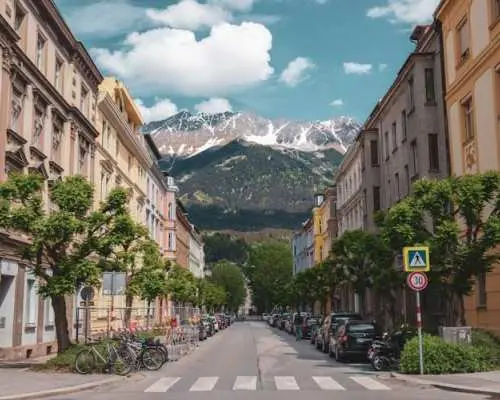
Innsbruck is embraced by the Nordkette range of the Alps and other peaks, forming a spectacular natural landscape. These mountains not only provide excellent venues for outdoor activities but also profoundly influence the city's architectural style, pace of life, and cultural atmosphere, presenting a unique Alpine charm that combines urban convenience with mountain tranquility.
4. What unique local cultural customs or artistic features are worth experiencing in Innsbruck?
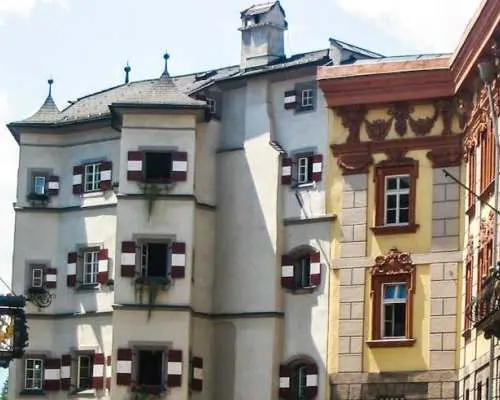
As the capital of Tyrol, Innsbruck preserves rich Austrian Alpine cultural characteristics. You can experience traditional Tyrolean music and folk dances, and admire local crafts. Furthermore, the city's numerous Baroque and Gothic buildings, along with various museums and galleries, all showcase its profound artistic heritage, well worth exploring.
5. How can I purchase the Innsbruck Card and what practical benefits does it offer?
The Innsbruck Card can be purchased at local tourist information centers, some hotels, or through online platforms. With this card, you can enjoy free public transportation for a specified period, gain free entry to numerous museums and attractions, and take advantage of free rides on select cable cars. It's a highly cost-effective option for thoroughly exploring the art, culture, and natural scenery of Innsbruck and its surroundings. Purchasing through platforms like KKday often provides a convenient booking process and various payment options, ensuring a smoother travel plan.
6. What are the convenient transportation options from major transport hubs to Innsbruck?
There are several convenient ways to get to Innsbruck. Taking a train is a common choice, as Innsbruck Central Station is a significant international rail hub, with direct connections from major cities within Austria or from nearby Germany and Italy. If flying, you can arrive at Innsbruck Airport (INN), or opt to fly into a nearby airport like Munich (MUC) and then transfer to Innsbruck by train or bus. Long-distance buses are also an economical option, connecting to various European cities.
7. What are the iconic art or historical landmarks in Innsbruck worth visiting?
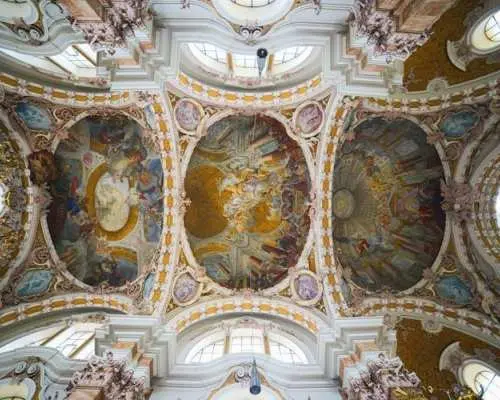
Innsbruck boasts many impressive art and historical landmarks. For instance, the 'Golden Roof' in the city center is an iconic building; the Hofburg Palace showcases the splendor of the Habsburg dynasty; and the magnificent St. James Cathedral, with its ornate Baroque style, is awe-inspiring. Additionally, Ambras Castle is a must-visit for art and history enthusiasts.
8. When participating in a local tour in Innsbruck, what cultural etiquette should I be mindful of when interacting with locals?
Respecting local cultural etiquette can make your experience more enjoyable. Generally, Austrians value politeness; a simple 'Guten Tag' (Good day) is appropriate for initial greetings. Maintain eye contact when conversing with locals, but avoid overly direct physical contact. When dining, wait for your host's signal before starting and express your gratitude. If you have any questions, directly asking your local guide is the best way to understand local customs, as they are usually happy to share and help you immerse yourself in the experience.


