

Whistler
Whistler is one of Canada's most popular vacation destinations, offering stunning natural scenery and an abundance of outdoor activities. Whether you're looking for skiing, mountaineering or simply relaxing, Whistler has something for you. Not only does it have world-class skiing, but there are also a variety of outdoor activities for you to choose from, including mountain climbing, off-road biking, snowshoe adventures, and more. Whistler's beautiful natural scenery and wide range of activity options make it a popular location that is visited by a large number of tourists every year.



Whistler Top 10 Activities


Top things to do in Whistler



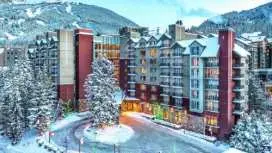
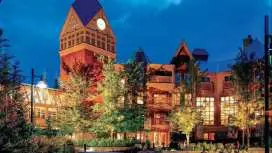

Popular Activities in Whistler


Recommended travel destinations near Whistler


Best time to visit Whistler
Data source: Meteostat・Last updated: 2025-09
Weather in Whistler throughout the year
Spring (March–May): 0.4–8.8°C, cold and damp climate with relatively high rainfall, gradually warming as the month progresses. Common activities: Skiing towards the end of the ski season, hiking (beware of changing weather). Recommended clothing: Warm waterproof jacket, layers, waterproof pants.
Summer (June–August): 13.5–19.6°C, warm and humid climate with relatively low rainfall, occasional showers. Common activities: Hiking, cycling, rafting, golfing. Recommended clothing: Light and breathable clothing, waterproof jacket, comfortable shoes.
Autumn (September–November): 10.1–15.3°C, cool and damp climate with relatively high rainfall, temperatures begin to drop. Common activities: Leaf peeping, hiking, cycling. Recommended clothing: Warm jacket, comfortable shoes, rain gear.
Winter (December–February): -3.1–1.5°C, cold and damp climate with heavy snowfall, a skiing paradise. Common activities: Skiing, snowboarding, snowshoeing. Recommended clothing: Warm waterproof jacket, warm thermal underwear, waterproof pants, snow boots, hat, gloves, scarf.
Weather in Whistler
Annual average temperature: approx. 7.6°C / Annual rainfall: approx. 1560 mm / Summer humidity: 65%–75% / Rainiest month: December
Whistler weather by month
| Month | January | February | March | April | May | June | July | August | September | October | November | December |
|---|---|---|---|---|---|---|---|---|---|---|---|---|
| Temperature | -1.5°C | -3.1°C | 0.4°C | 4.3°C | 8.8°C | 13.5°C | 19.6°C | 19°C | 15.3°C | 10.1°C | 3.4°C | 1.5°C |
| Rainfall (mm) | 182.9 | 160.1 | 143.7 | 72.2 | 72 | 114 | 66.5 | 122.1 | 101.9 | 168.1 | 171.2 | 186 |
7-day weather forecast for Whistler
| Date | 11/17Tuesday | 11/18Wednesday | 11/19Thursday | 11/20Friday | 11/21Saturday | 11/22Sunday | 11/23Monday |
|---|---|---|---|---|---|---|---|
| Weather |  Cloudy |  Partly Cloudy |  Sunny |  Overcast | Cloudy |  Moderate snow |  Patchy light snow |
| High | 2.4°C | 1.5°C | 1.6°C | 1.8°C | -0.1°C | 0.9°C | 1.6°C |
| Low | -5.8°C | -5.7°C | -5.7°C | -5°C | -5.4°C | -2.6°C | -2.5°C |


