


Sakai Tea Ceremony Pilgrimage | Guided Tour of Sakai Plaza of Rikyu and Akiko and Sen no Rikyu's Residence Site
- Visit the Sakai Plaza of Rikyu and Akiko to explore the site of Sen no Rikyu's residence and tea ceremony culture.
- Professional guides lead you to a deeper understanding of tea ceremony history and the elegance of the Azuchi-Momoyama period.
- Experience the prosperity and unique atmosphere of Sakai as a center of tea culture.
- Book now on KKday to enjoy exclusive offers and an in-depth cultural tour.
Cultural Experiences
| Activity time | Morning, Afternoon |
| Transportation method | Get there on your own |
| Activity level | Beginner |
| Experience type | DIY Workshop |
| Cuisine type | Japanese cuisine |
| Cultural experience type | Japanese tea ceremony |
Product Info
- Important Information -
1. Duration: 1 hour
2. Meeting Point: Sakai Plaza of Rikyu and Akiko (Sakai Risho no Mori)
3. Start Time:
• 09:00|10:00|11:00|12:00|13:00|14:00|15:00
4. Guided Language: Japanese / English
- Product Introduction -
- Dive into the world of Sen no Rikyu and visit the sacred site of the tea ceremony
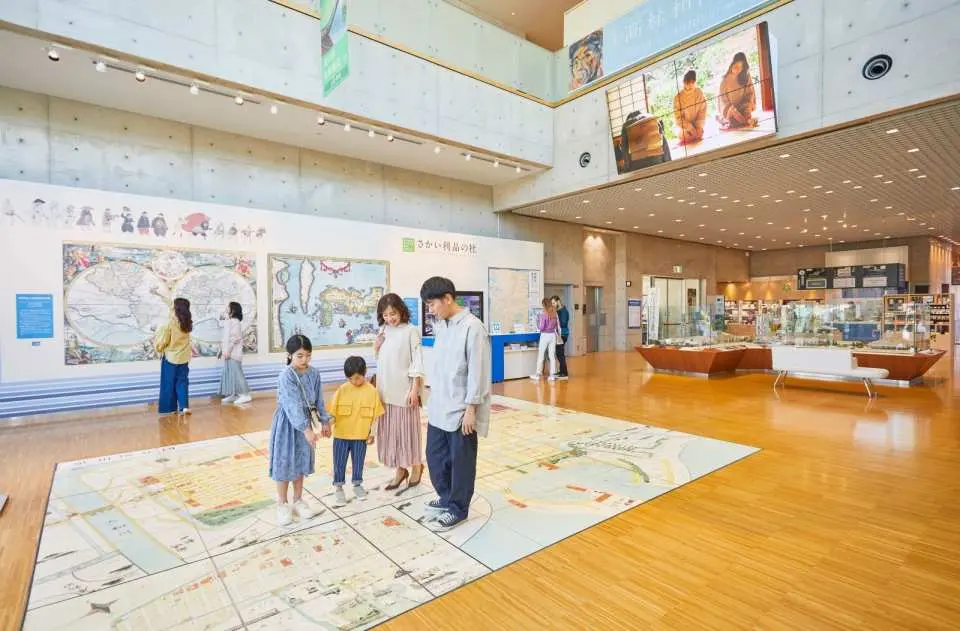
Led by a professional guide, step into the origins of the Japanese tea ceremony—Sakai, the Furusato of Sen no Rikyu. This tour will visit the site of Sen no Rikyu's former residence and enter the Sakai Plaza of Rikyu and Akiko, where you will learn about the profound influence this tea master had on the tea ceremony through guided tours and exhibits.
- Travel through time and experience the elegance of the Azuchi-Momoyama period
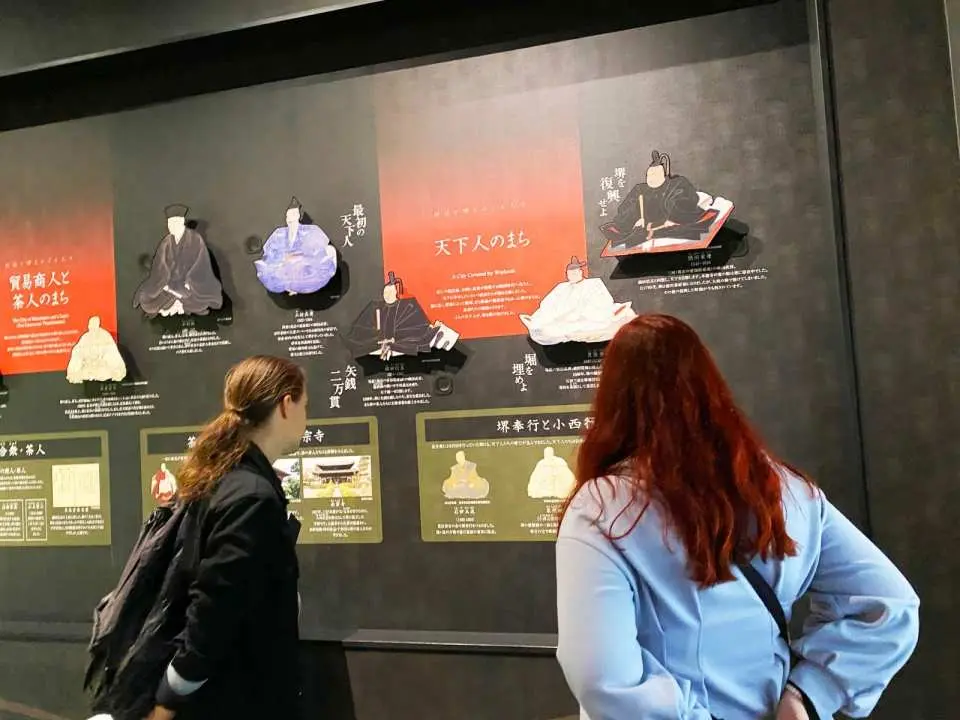
This tour not only focuses on the achievements of Sen no Rikyu but also explores the background of the Azuchi-Momoyama period, showing you how Sakai flourished through trade and cultural exchange to become a center of Japanese tea culture.
- An immersive experience of culture and emotion
Whether you are interested in tea culture or want to gain a deeper understanding of Japanese history and culture, you will gain new perspectives and profound inspiration on this tour. Experience a quiet yet deeply meaningful cultural journey.
What You Can Expect
Important Info
Includes/Excludes
- Museum tour / Japanese-English speaking guide
- Personal expenses
- Other expenses not mentioned above
Reminders
Please arrive at the designated location 15 minute(s) before the scheduled departure time, as the tour will depart on time
About a 1-minute walk from Hankai Electric Railway Shukuin Station
Please be sure to strictly adhere to the travel time.
How to Redeem Your Voucher
How to Use Your Voucher
- Please present the e-voucher on-site
Voucher Redemption Period
- The voucher must be redeemed on the selected date and within operating hours; Invalid after expiration
Meeting Point
Location Name: Sakai Plaza of Rikyu and Akiko
Address: 2-1-1 Shukuin-cho Nishi, Sakai-ku, Sakai City, Osaka
Experience Location
Location Name: Sakai Akino-no-Mori
Address: 1-1, 2-2, Shuuin-cho Nishi, Sakai-ku, Sakai-shi, Osaka Prefecture【Closed days】
The third Tuesday of every month (if it is a holiday, it will be postponed to the next day) and the year-end and New Year holidays
Cancellation Policy
- Cancellations 2 day(s) (inclusive) before the selected date are allowed. Unused orders can be canceled for free
- Cancellation is not allowed between 0–1 days from the selected date. Orders cannot be canceled or modified, and refunds will not be granted.
- Due to time zone differences, the confirmed cancellation date is based on the supplier’s local time. Please allow 2–5 business days to process your cancellation request, after which the cancellation fee will be charged according to the product’s cancellation policy. Once your refund request is confirmed, KKday will initiate the refund to your original payment method within 15 days. The actual refund timing depends on your card-issuing bank’s policy.
FAQ
1. What are the core principles of the Japanese tea ceremony, as emphasized in Sakai City?
The Japanese tea ceremony, deeply rooted in Sakai City, is guided by the four core principles of Wa (harmony), Kei (respect), Sei (purity), and Jaku (tranquility). These principles, perfected by Sen no Rikyu, emphasize a spiritual connection with nature, mutual respect among participants, spiritual cleanliness, and a serene mindset, embodying the essence of mindful hospitality.
2. What cultural values are explored during a tour of Sakai's tea ceremony heritage?
During the tour, visitors explore cultural values such as profound respect for nature and craftsmanship, mindfulness in daily life, and the pursuit of spiritual tranquility. The experience highlights the historical significance of tea as a cultural bridge and the deep aesthetic appreciation embedded in every gesture, utensil, and architectural detail, reflecting Japanese hospitality.
3. Why is Sakai considered a holy land for the Japanese tea ceremony?
Sakai's esteemed status as a tea ceremony holy land stems from its historical role as a bustling port city and vibrant cultural hub during the Azuchi-Momoyama period. It was the birthplace of Sen no Rikyu, who formalized the Wabi-cha style of tea ceremony here. The city's wealth and open-mindedness fostered artistic innovation, making it a pivotal center for tea culture's development and widespread influence.
4. How did Sen no Rikyu influence the development of the tea ceremony in Sakai?
Sen no Rikyu, a native of Sakai, revolutionized the tea ceremony by simplifying its aesthetics and emphasizing the "Wabi-cha" style, which prioritizes rustic simplicity, naturalness, and spiritual depth over opulence. His teachings, deeply rooted in Zen Buddhism, transformed the tea ceremony from a mere social ritual into a profound philosophical and artistic pursuit that profoundly influenced generations.
5. What are the key highlights of visiting Rikyu-no-Mori and Sen no Rikyu's residence?
At Rikyu-no-Mori, visitors can explore a beautifully recreated garden reflecting the wabi aesthetics, and understand the architectural context of Sen no Rikyu's original residence ruins. The tour offers profound insights into Rikyu's life and the evolution of the tea ceremony, providing a tangible connection to the historical environment where this significant art form flourished.
6. What kind of insights can a professional guide provide during the Sakai tea ceremony tour?
A professional guide offers an in-depth historical context, explaining the significance of each site, artifact, and tradition encountered during the tour. They illuminate the connections between Sakai's mercantile past and the tea ceremony's development, providing engaging narratives about Sen no Rikyu's life and philosophy, and interpreting complex cultural nuances that enhance the overall experience.
7. What historical period is primarily explored during the Sakai tea ceremony cultural tour?
The Sakai tea ceremony cultural tour primarily explores the Azuchi-Momoyama period, spanning from 1566/1568 to 1600/1603. This transformative era in Japanese history was crucial for the development of the tea ceremony, particularly under the profound influence of Sen no Rikyu, solidifying its place as a revered art form and cultural practice.
8. What unique atmosphere and prosperity of Sakai's tea ceremony culture can visitors experience?
Visitors can experience Sakai's unique atmosphere as a vibrant historical trading port, where diverse cultures and goods converged. This environment fostered a rich exchange of artistic and philosophical ideas, showcasing the prosperity of a city once at the forefront of Japan's cultural innovations and embodying the refined yet practical spirit of the Wabi-cha tea ceremony.


