



Australia Perth Shark Bay + Pink Lake 4-Day Tour [Lancelin White Sand Dunes/Lobster Factory/Pinnacles/Shell Beach/Watching Dolphins]
Package Options


Sightseeing Tours
| Tour Type | Shared tour |
| Transportation method | Transfer from meeting point |
| Minimum participant requirement | 4 travelers |
| Tour types | Guided tour |
| Meal arrangement | Breakfast included |
| Sightseeing type | Natural sights |
| Transport | Bus tour |
Product Info
Important Info
Reminders
This trip is for 4 people. If the group is not formed, we will contact you 2 days in advance to cancel.
Each passenger is limited to one piece of luggage
Cancellation Policy
- Cancellations 45 day(s) (inclusive) before the selected date are allowed. Unused orders can be canceled for free
- For cancellations made 40 to 44 days prior to selected date, a cancellation fee of 50% will apply
- Cancellation is not allowed between 0–39 days from the selected date. Orders cannot be canceled or modified, and refunds will not be granted.
- Due to time zone differences, the confirmed cancellation date is based on the supplier’s local time. Please allow 2–5 business days to process your cancellation request, after which the cancellation fee will be charged according to the product’s cancellation policy. Once your refund request is confirmed, KKday will initiate the refund to your original payment method within 15 days. The actual refund timing depends on your card-issuing bank’s policy.
FAQ
1. What unique features and attractions can visitors experience at Shark Bay?
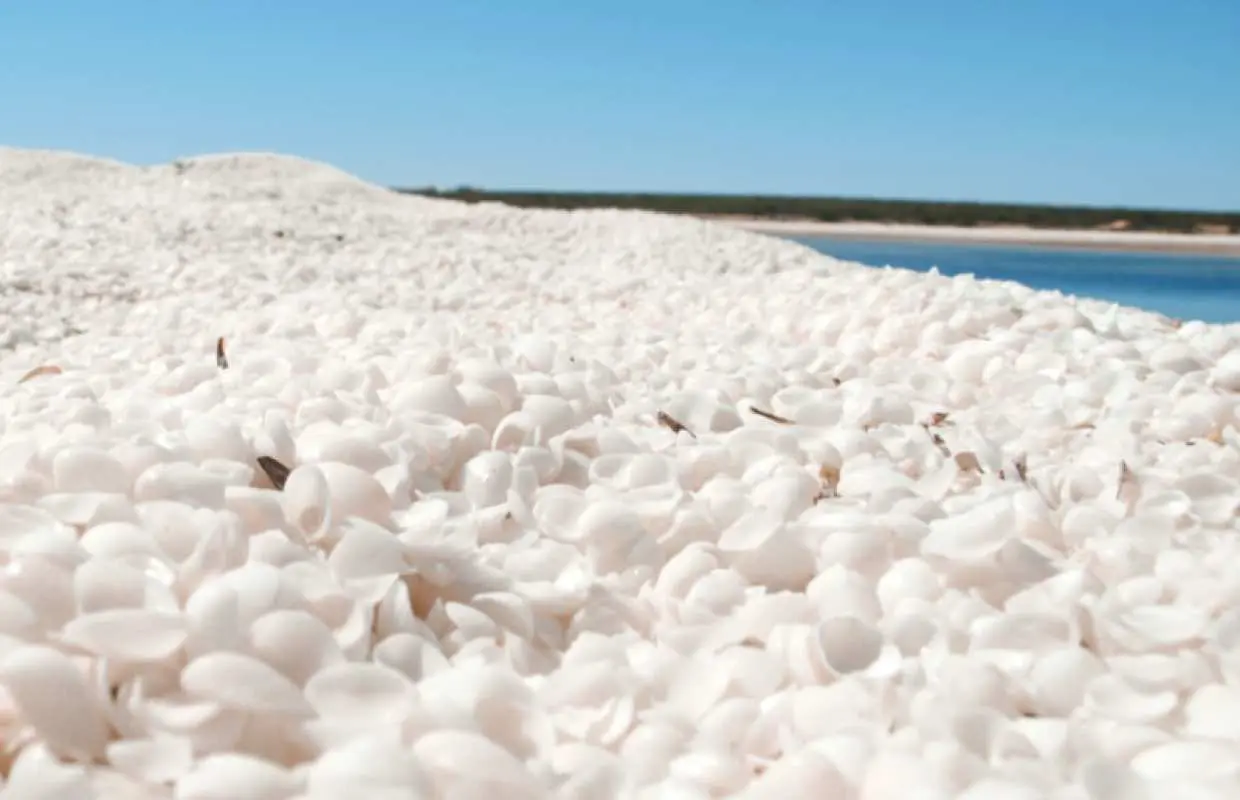
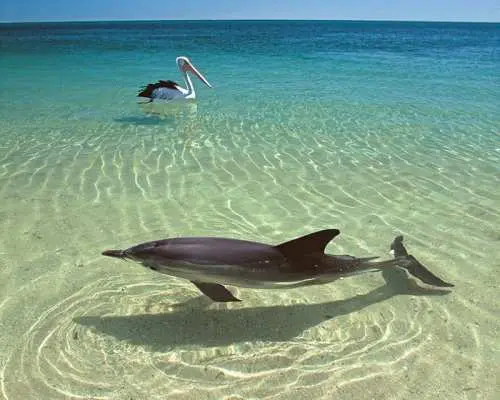
Shark Bay, a UNESCO World Heritage site, is celebrated for its exceptional natural beauty and biodiversity. Key attractions include the renowned Monkey Mia where visitors can interact with wild dolphins, the ancient Stromatolites at Hamelin Pool, and the stunning Shell Beach made entirely of tiny white cockle shells. The area also offers opportunities for observing diverse marine life and experiencing scenic coastal landscapes.
2. What is the origin of the name 'Shark Bay' in Western Australia?
Shark Bay was named in 1699 by the English explorer William Dampier, who observed a significant number of sharks in its waters during his voyage. He encountered various shark species, leading him to bestow the bay with its distinctive name. Today, while sharks are still present, the bay is more widely recognized for its unique marine ecosystems, including dugongs, dolphins, and vibrant stromatolites.
3. When is the best time of year to visit Shark Bay for optimal weather and wildlife viewing?
The optimal time to visit Shark Bay for pleasant weather and abundant wildlife viewing is typically during the cooler, drier months from April to October. During this period, temperatures are mild, and skies are generally clear, creating ideal conditions for outdoor activities such as dolphin encounters at Monkey Mia, exploring Shell Beach, and spotting dugongs or turtles in their natural habitat.
4. Is swimming safe in Shark Bay, and what should visitors know about local wildlife?
Swimming in designated areas of Shark Bay, particularly at popular spots like Monkey Mia, is generally considered safe. However, as it is a natural marine environment, visitors should always be aware of their surroundings. The bay is home to diverse marine life, including dugongs, dolphins, and various shark species, though serious incidents are rare. Always follow local signage and ranger advice, and maintain a respectful distance from all wildlife.
5. What is the ideal time of day to see the vibrant pink color of Hutt Lagoon (Pink Lake)?
The ideal time to observe the most vibrant pink hues of Hutt Lagoon (Pink Lake) is typically on a bright, sunny day, specifically between mid-morning and mid-afternoon. Strong sunlight intensifies the lake's unique pigmentation, making its colors appear more vivid. Overcast conditions can sometimes lessen the vibrancy, so a clear sky is preferable for the most striking visual experience.
6. What factors influence the color vibrancy of Hutt Lagoon (Pink Lake)?
The vibrant pink color of Hutt Lagoon is caused by the Dunaliella salina algae, which produces beta-carotene in high salinity conditions. Several factors influence its intensity, including sunlight, temperature, and salinity levels. On sunny days with high salt concentration and optimal temperatures, the algae thrive, resulting in a deeper pink or red hue. Cloudy weather or heavy rainfall can dilute the color, causing it to appear less intense.
7. What are the best ways to view Hutt Lagoon (Pink Lake) during a visit?
Hutt Lagoon (Pink Lake) can be best viewed from designated roadside lookouts, offering panoramic perspectives of its unique coloration. Driving along George Grey Drive provides several excellent vantage points for capturing memorable photos. For an unparalleled and comprehensive view, scenic flights are highly recommended, allowing visitors to appreciate the full scale and breathtaking contrast of the lake against the surrounding landscape from above.
8. Are there transportation options available between Monkey Mia and Denham within the Shark Bay area?
Yes, transportation options are generally available between Monkey Mia and Denham, the main town in the Shark Bay region. While public bus services might be infrequent, visitors can typically find local taxi services or pre-arrange shuttles. Many multi-day tours visiting Shark Bay often include transfers between these key locations as part of their itinerary, ensuring convenient access to attractions like the Monkey Mia dolphin interactions.
Get Help


