



Cultural Experiences
| Location | Indoor |
| Minimum participant requirement | 2 travelers |
| Cultural experience type | Ninja/Samurai experience |
Product Info
What You Can Expect
Purchase Notice
For children in the first grade of elementary school and above (as it is a long weapon and difficult to handle), and for the elderly, we recommend the Koryu style.
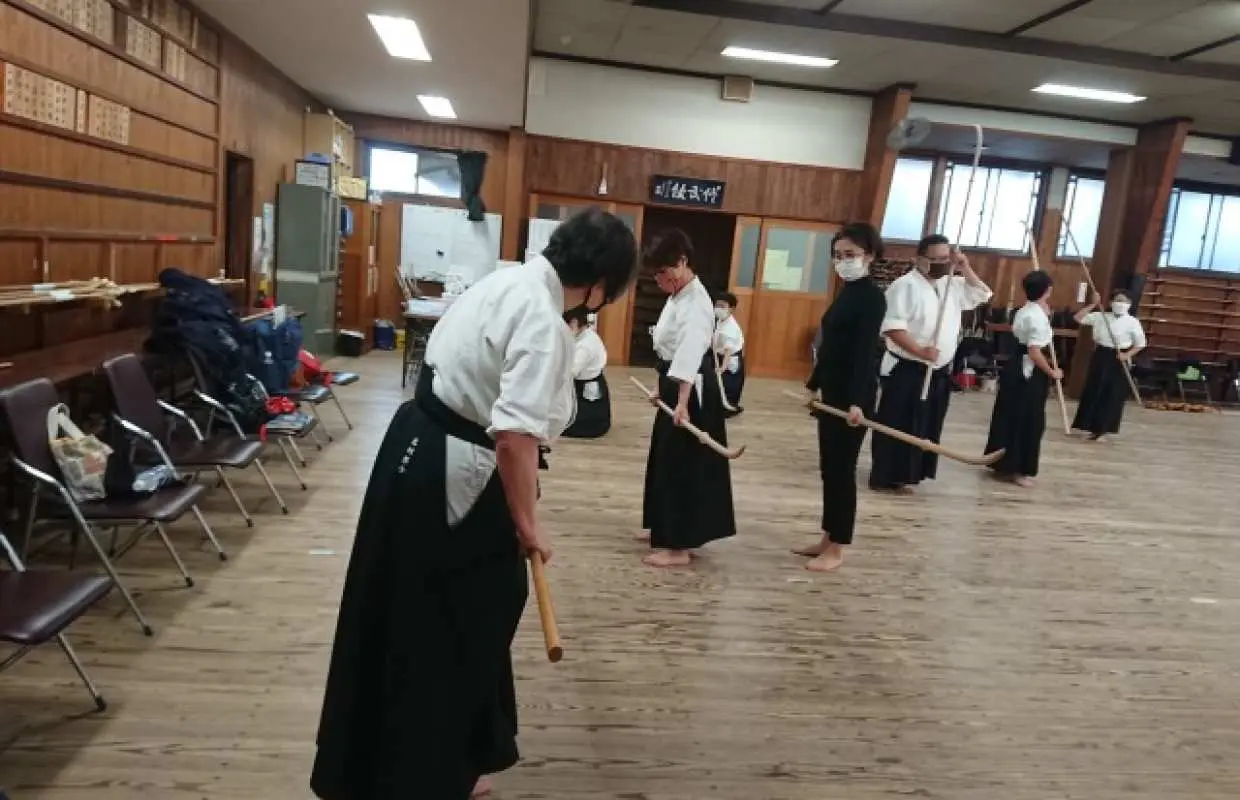
Even in actual lessons, the majority of participants are elderly (half are over 70 years old), so instruction can be tailored to their age and physical strength.
Learning etiquette is an important part of this experience. We won't make it too difficult, but please follow the instructions of your instructor.
We worship at the shrine, so our facility is non-religious, but if you have any religious difficulties in worshiping God, please let us know.
The minimum number of participants is 2 people.
Includes/Excludes
Reminders
What to bring: Nothing special, as you will be changing into training clothes and hakama. There are changing rooms and shower rooms (please bring your own towels). If you are concerned about being barefoot, please bring tabi socks. It is a good idea to wear a T-shirt underneath.
How to Redeem Your Voucher
How to Use Your Voucher
- Please present the e-voucher on-site
Experience Location
Location Name: Shubukan Public Interest Foundation
Address: Japan, 〒664-0858, Hyogo Prefecture, Itami City, Nishidai 3-2-11Cancellation Policy
- Cancellations 4 day(s) (inclusive) before the selected date are allowed. Unused orders can be canceled for free
- Cancellation is not allowed between 0–3 days from the selected date. Orders cannot be canceled or modified, and refunds will not be granted.
- Due to time zone differences, the confirmed cancellation date is based on the supplier’s local time. Please allow 2–5 business days to process your cancellation request, after which the cancellation fee will be charged according to the product’s cancellation policy. Once the cancellation is confirmed, you will receive your refund within 14 working days.
FAQ
Naginatajutsu is a traditional Japanese martial art centered around the naginata, a long pole weapon with a blade at one end. Historically used by samurai and warrior monks, it emphasizes graceful, sweeping movements, proper posture, and precise strikes. A beginner's experience typically focuses on fundamental stances, basic weapon handling techniques, and controlled practice to ensure safety and understanding of the art.
The hakama is a traditional Japanese garment widely worn in various martial arts to signify formality, tradition, and dedication. Besides naginatajutsu, it is prominently featured in kendo (Japanese fencing), kyudo (Japanese archery), aikido (a modern martial art emphasizing joint locks and throws), and some schools of traditional jujutsu. The style of hakama can vary slightly between disciplines.
Historically, hakama were trousers worn by samurai in feudal Japan, evolving from court attire to practical garments for horseback riding. They symbolized status, formality, and tradition. The pleats on the hakama are said to represent the virtues of Bushido, the samurai code. Wearing a hakama linked warriors to a rich heritage, indicating their discipline and adherence to traditional practices.
Wearing a hakama involves several steps to ensure it is secure and properly aligned. First, the hakama is wrapped around the waist, with the front ties crossed over the back and tied in the front. The back panel is then positioned, and its ties are brought around the front, crossing over and tucking into the waistband, often secured with a knot. Proper alignment ensures the seven pleats are neat and the garment allows for free movement during practice.
Today, the hakama holds significant cultural importance in Japan, symbolizing tradition, respect, and formality. Beyond martial arts, it is worn for graduation ceremonies, Shinto rituals by priests and shrine maidens, and by women during Coming of Age Day celebrations. It represents a connection to Japanese heritage and is often associated with dignity, discipline, and adherence to cultural customs.
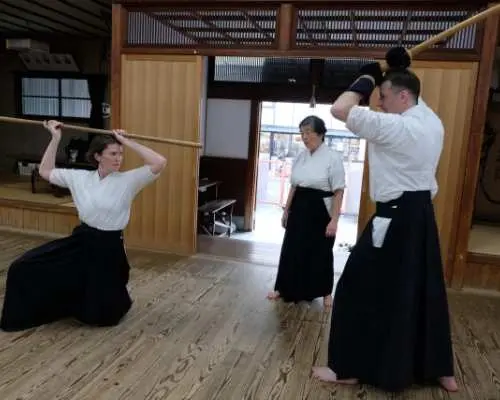
During a naginata martial arts experience session, participants typically begin by wearing a traditional hakama. Instructors will then introduce the naginata weapon and explain basic safety protocols. The session usually involves learning fundamental stances, footwork, and simple striking or blocking techniques with the naginata. The focus is on respectful practice, posture, and experiencing the unique movements of this elegant martial art in a controlled environment.
Yes, photography is typically permitted during the naginata martial arts and hakama wearing experience. Guests are often encouraged to capture their unique experience, especially while dressed in traditional hakama and practicing with the naginata. This allows for memorable keepsakes of participating in a distinctive aspect of Japanese culture and martial arts.
For comfort and ease of movement during the naginata experience, it is recommended to wear light, comfortable clothing under the hakama. Loose-fitting trousers or leggings and a t-shirt are ideal. Avoid bulky clothing as the hakama is designed to be worn over relatively fitted garments. This ensures maximum flexibility and comfort while practicing the martial art movements.
Get Help


