
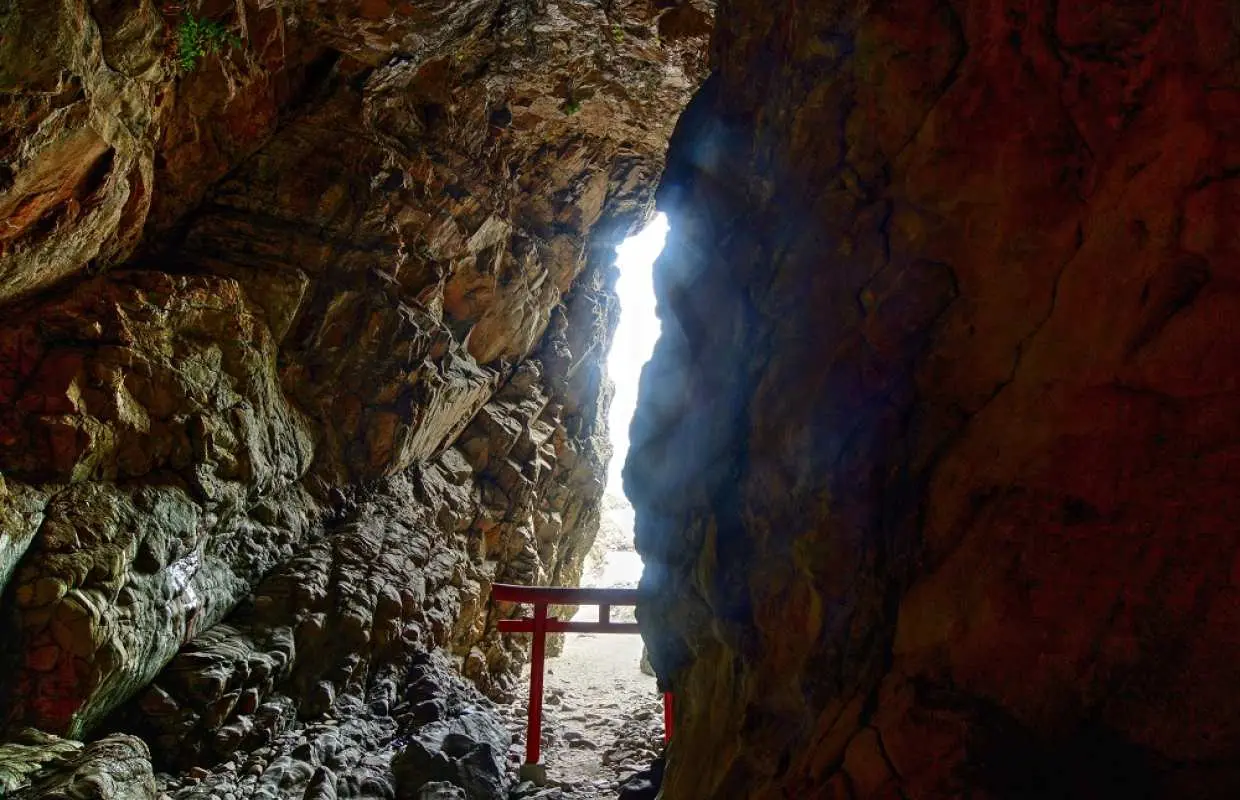


【Kyushu, Miyazaki Prefecture】From the Sea to the Mountains! A Tour Visiting Sites of Mythological Significance (For 2 or more people)
It houses a group of 'sazare-ishi' (pebbles) mentioned in the national anthem 'Kimigayo,' and it is one of the largest collections in the country!
・Nobeoka City, where you will stay, is a city with many legends that served as the stage for myths.
Mt. Atago, also known as a sacred place for encounters, is a popular spot even among Japanese people.
・There are many experiences where you can feel the energy of nature!
Rest assured that even beginners can enjoy these activities.
Sightseeing Tours
| Tour Type | Shared tour |
| Transportation method | Hotel transfer |
| Minimum participant requirement | 2 travelers |
| Meal arrangement | Lunch included, With dinner |
| Additional service & facility | Transfer included |
| Sightseeing type | Natural sights, Temples & shrines |
| Transport | Charter car |
Product Info
Purchase Notice
After receiving your request, we will contact you within 5 days to confirm whether or not your reservation can be made.
If there are not two or more participants, we will contact you separately regarding the conditions of the tour.
・Please note that we may decline your reservation if we are unable to meet your requests.
[Customers who require special consideration]
・If you have special dietary needs, please let us know when making your reservation.
Reminders
・Please arrive 15 minutes before your experience time.
・Please wear comfortable shoes, clothes that are easy to move in, and clothes that protect you from the cold.
・Please wear long trousers and long socks on the Forest Therapy Road.
・If dangerous weather conditions such as typhoons or lightning are expected, the tour will be canceled.
Also, depending on the weather conditions, the itinerary may be changed on the day.
If you are late, you may not be able to participate.
・Preschool children must be accompanied by a parent or guardian.
Cancellation Policy
- Cancellations 21 day(s) (inclusive) before the selected date are allowed. Unused orders can be canceled for free
- For cancellations made 8 to 20 days prior to selected date, a cancellation fee of 20% will apply
- For cancellations made 2 to 7 days prior to selected date, a cancellation fee of 30% will apply
- For cancellations made 1 to 1 days prior to selected date, a cancellation fee of 40% will apply
- Cancellation is not allowed between 0–0 days from the selected date. Orders cannot be canceled or modified, and refunds will not be granted.
- Due to time zone differences, the confirmed cancellation date is based on the supplier’s local time. Please allow 2–5 business days to process your cancellation request, after which the cancellation fee will be charged according to the product’s cancellation policy. Once your refund request is confirmed, KKday will initiate the refund to your original payment method within 15 days. The actual refund timing depends on your card-issuing bank’s policy.
FAQ
1. What are the transportation options to reach Aoshima Shrine?
To reach Aoshima Shrine, it is generally recommended to take a Miyazaki Kotsu bus from JR Miyazaki Station. You can take the bus to Aoshima Station or Horikiri Pass, and then transfer to a local bus or taxi. As services may be limited, it is advisable to plan your travel time in advance. Driving is also a convenient option, allowing you to enjoy the coastal scenery of the Hyuga Nada along the way.
2. How is transportation arranged for visiting attractions like Aoshima Shrine and Mt. Atago on this tour?
When you join this tour, dedicated transportation will be arranged to take you to Aoshima Shrine, Mt. Atago, and other designated attractions. This ensures convenience and comfort as you move between different areas, eliminating the need to plan complex public transportation routes yourself. This allows you to focus more on experiencing the natural scenery and myths of Miyazaki Prefecture.
3. Besides worship, what unique landscapes can be seen at Aoshima Shrine?
Aoshima Shrine is not only a place for worship but is also renowned for its unique natural scenery. You can admire the shrine standing against the magnificent backdrop of the Hyuga Sea, featuring characteristic sculptures like the 'Hyuga Ise Statue' and the 'Risen Dragon.' Additionally, you can see the 'Sazare Ishi' (さざれ石) sung about in the national anthem 'Kimigayo,' experiencing the blend of history and nature.
4. Mt. Atago in Nobeoka City is known as a 'Sacred Ground for Encounters.' What are its notable features?
Mt. Atago, known as a 'Sacred Ground for Encounters,' is a famous dating and sightseeing spot in Nobeoka City. Ascending Mt. Atago, you can overlook the magnificent views of Nobeoka City and Hyuga Nada, with its night views being particularly famous. An observation deck is located on the mountain, perfect for couples or families to stroll, enjoy the scenery, and feel a romantic atmosphere.
5. What specific activities are included in the 'Diverse Experiences of Natural Energy' mentioned in this tour?
The 'Diverse Experiences of Natural Energy' in this tour aims to connect you with Miyazaki's natural environment through various means. This may include feeling the spiritual energy facing the sea at Aoshima Shrine, admiring the magnificent city and ocean views from Mt. Atago, and enjoying leisurely walks in mythical lands to experience the local natural essence and cultural atmosphere. Specific activities may vary depending on the itinerary.
6. What is the best season to visit Aoshima Shrine and Mt. Atago to experience the natural beauty of Miyazaki Prefecture?
For visiting Aoshima Shrine and Mt. Atago and experiencing the natural beauty of Miyazaki Prefecture, spring (March to May) and autumn (September to November) are generally the most ideal seasons. Spring offers pleasant weather and lush greenery, while autumn is cool and comfortable, perfect for outdoor activities. Although summer (June to August) can be hot, the seaside scenery and activities remain attractive; winter (December to February) is relatively mild.
7. What roles do Aoshima Shrine and Nobeoka City play in the myths of Miyazaki Prefecture?
Aoshima Shrine holds an important place in the myths of Miyazaki Prefecture, believed to be related to the sea god in Japanese creation myths and serving as a center of local faith. Nobeoka City is known as a city rich in mythological background, with many ancient legends related to Japanese deities circulating in its surrounding areas. Together, these places form the unique mythical experience of Miyazaki Prefecture.
8. What is special about the 'Sazare Ishi' (さざれ石) at Aoshima Shrine?
The 'Sazare Ishi' (さざれ石) at Aoshima Shrine is the stone praised in Japan's national anthem 'Kimigayo,' symbolizing unity and eternity. These originally small pebbles, through the test of time and the cementing effect of limestone, gradually form into a large rock, representing the prosperity of the nation and the image of enduring for thousands of years. It holds deep cultural and symbolic significance.
Get Help


