


Making Traditional Japanese Sweets in Kyoto
- Learn to make traditional Japanese sweets from a wagashi expert
- Work with premium Bitchu Azuki and specialty bean paste from Kyoto artisans
- Handcraft two styles of nerikiri inspired by Kyoto’s changing seasons
- Bring home a simple recipe so you can recreate these refined sweets later
Package Options
Cultural Experiences
| Location | Indoor |
| Experience type | DIY Workshop |
| Cuisine type | Wagashi (Japanese sweets) |
| Cultural experience type | Japanese tea ceremony |
Product Info
– What You Can Expect –
Wagashi, traditional Japanese sweets, are as delightful to look at as they are to taste. Learn to make your own cultural confections in Kyoto, a prefecture well known for its refined dessert culture. Using premium Bitchu Azuki bean paste and plant-based ingredients, you’ll shape nerikiri under the guidance of an experienced wagashi instructor with over 20 years of expertise. Nerikiri features sweet bean paste formed into a variety of seasonal motifs. In this class, you’ll create two nerikiri designs inspired by Kyoto’s seasonal flowers, then sit down to enjoy your handmade treats. Unwind over your creations and take home a recipe so you can revisit this Kyoto-inspired sweet-making experience later.

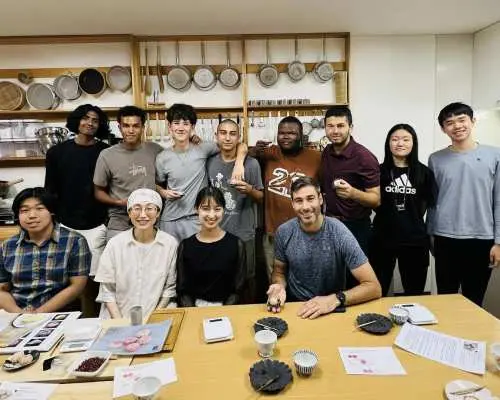
Enjoy your own traditional Japanese sweet

With supervision from a wagashi expert, make your own kawaii wagashi
Purchase Notice
- The activity is able to accommodate the following dietary requirements: Gluten-free, Halal, Kosher, Vegan, Vegetarian, Pescetarian. Please Inform us in advance of your dietary restrictions.
Includes/Excludes
- English-speaking cooking instructor
- Premium ingredients for crafting 2 types of seasonal Wagashi
- Traditional tools
- Tasting session with curated Premium Sencha
- Refined recipe for home use
- Transportation fare
- Other expenses not mentioned above
Reminders
The activity is able to accommodate the following dietary requirements: Gluten-free, Halal, Kosher, Vegan, Vegetarian, Pescetarian. Please Inform us in advance of your dietary restrictions.
How to Redeem Your Voucher
How to Use Your Voucher
- Please present the e-voucher on-site
Voucher Redemption Period
- The voucher must be redeemed on the selected date and within operating hours; Invalid after expiration
Meeting Point
Location Name: Cooking studio
Address: Shijō Station, Nijōhanjikichō, Shimogyo Ward, Kyoto, JapanExperience Location
Location Name: Private Cooking Studio
Address: Honeyacho, Nakagyo Ward, Kyoto, 604-8164, JapanPlease go at the time you booked.
Cancellation Policy
- Cancellations 4 day(s) (inclusive) before the selected date are allowed. Unused orders can be canceled for free
- Cancellation is not allowed between 0–3 days from the selected date. Orders cannot be canceled or modified, and refunds will not be granted.
- Due to time zone differences, the confirmed cancellation date is based on the supplier’s local time. Please allow 2–5 business days to process your cancellation request, after which the cancellation fee will be charged according to the product’s cancellation policy. Once your refund request is confirmed, KKday will initiate the refund to your original payment method within 15 days. The actual refund timing depends on your card-issuing bank’s policy.
FAQ
1. What are the common characteristics of traditional Japanese sweets made during a wagashi making experience in Kyoto?
Traditional Japanese sweets, known as wagashi, are characterized by their delicate appearance, subtle sweetness, and artistic designs. They often use natural ingredients like glutinous rice flour, red bean paste (anko), kuzu starch, and seasonal fruits. A wagashi making experience emphasizes crafting sweets that reflect nature's beauty and the changing seasons, making them miniature edible artworks. They are designed to be enjoyed with matcha, balancing the tea's slight bitterness.
2. What aspects contribute to the perceived value and craftsmanship of traditional Japanese wagashi?
The value of traditional Japanese wagashi stems from several factors. It begins with the use of high-quality, often seasonal, ingredients. Significant value is placed on the exquisite craftsmanship, as each wagashi is meticulously shaped and decorated by hand to achieve intricate designs and reflect natural motifs. The expertise of the wagashi artisan, often honed over many years, and the deep cultural significance attached to these sweets as an art form also contribute greatly to their esteemed value.
3. What can participants expect to learn during a traditional Japanese sweets making class in Kyoto?
Participants in a traditional Japanese sweets making class in Kyoto can expect to learn fundamental techniques for shaping and decorating wagashi. This includes understanding the properties of ingredients like mochi and anko, and using specialized tools to create various forms, such as seasonal flowers or natural elements. The class also provides cultural insights into the history and significance of wagashi in Japanese tea ceremonies and seasonal celebrations. You'll gain hands-on experience in creating several types of sweets.
4. How does learning from an experienced wagashi expert enhance a traditional Japanese sweets making experience?
Learning from an experienced wagashi expert significantly enhances the making experience by providing authentic guidance. An expert shares traditional techniques, ensures proper execution of delicate steps, and offers insights into the philosophy and artistic principles behind wagashi. Their deep knowledge allows participants to understand the cultural context and symbolism of each sweet, going beyond mere replication to truly appreciate the craftsmanship. They can also offer personalized tips to refine your creations.
5. What role does high-quality tea play in the traditional Japanese sweets tasting portion of the wagashi making class?
High-quality tea, typically matcha, is integral to the traditional Japanese sweets tasting. Wagashi are intentionally crafted with a subtle sweetness to perfectly complement the slight bitterness and rich umami of matcha. This pairing creates a balanced sensory experience, enhancing both the flavor of the tea and the delicate notes of the sweets. It also underscores the cultural ritual of the Japanese tea ceremony, where wagashi serve to prepare the palate and provide a moment of aesthetic appreciation.
6. How do traditional Japanese sweets often reflect the changing seasons in Kyoto?
Traditional Japanese sweets beautifully reflect Kyoto's changing seasons through their designs, colors, and ingredients. Spring wagashi might feature cherry blossom motifs and light pink hues, while summer sweets often use refreshing ingredients like agar and depict hydrangeas or cool water. Autumn brings maple leaf shapes and deep orange or red colors, with chestnut or persimmon flavors. Winter sweets often evoke snow scenes or camellia flowers. This seasonal reflection is a core aesthetic and cultural principle of wagashi.
7. Are there any specific skills or prior experience required to participate in a Kyoto wagashi making class?
Generally, no specific skills or prior experience are required to participate in a Kyoto wagashi making class. These classes are designed to be accessible and enjoyable for beginners. Experienced instructors guide participants through each step, demonstrating techniques and providing assistance as needed. The focus is on enjoying the creative process and learning about Japanese culture through hands-on activity, rather than on achieving perfection. All necessary tools and ingredients are provided.
8. What is the typical process for booking a traditional Japanese sweets making experience in Kyoto?
To book a traditional Japanese sweets making experience in Kyoto, you typically start by selecting your preferred date and time online. You'll then provide participant details and complete the reservation through a secure payment process. Booking through KKday offers convenience, allowing you to easily compare available classes and secure your spot in advance, which is especially beneficial during peak travel seasons. Confirmation details, including the meeting point and what to bring, are usually sent immediately. The experience typically includes all ingredients, tools, instruction from an expert, and a tasting session with tea.


