



Misaki Maguro Tuna & Travel Day Trip Ticket | Kanagawa
- Exchange at Shinagawa Station or Yokohama Station
- Ride the railway between Shinagawa/Yokohama and Misakiguchi Station and buses operated by Keihin Kyuko Bus
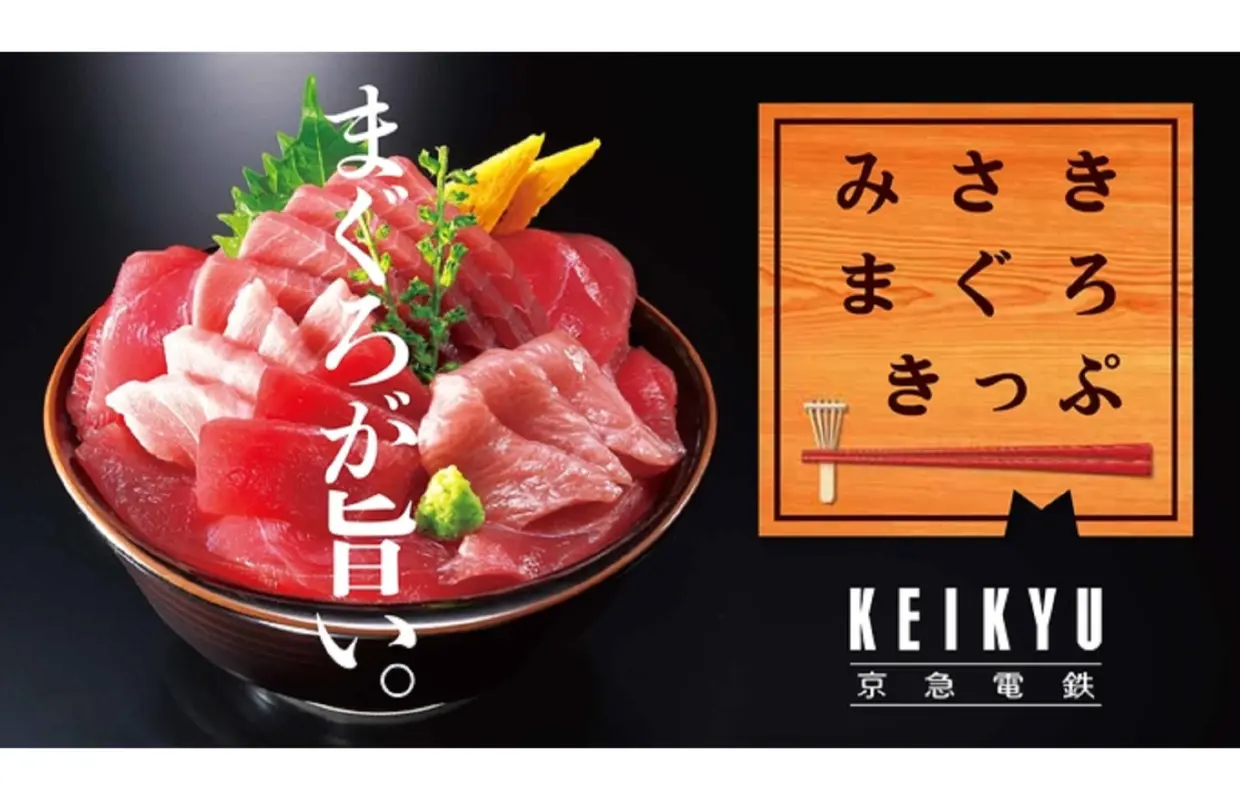
- Feast on Misaki's famous tuna, participate in exclusive activities, and get souvenirs all in one!
Package Options
Transport Card & Pass Info
| Ticket type | Pass |
| Ticket format | Physical ticket (requires redemption) |
| Ticket area | East Japan Area |
| Usage duration | 1 day |
Product Info
— Product Info —
Get round-trip tickets from the Keikyu Line exchange station (Shinagawa or Yokohama Station) to Misakiguchi Station, plus unlimited rides within the Keikyu Bus zone! Enjoy carefully selected tuna dishes from Miura and Misaki, then avail of various leisure activities and souvenirs.
— Important Info —
You will receive a total of 3 tickets with this package
- The first ticket is for the round trip on the Keikyu train line, as well as for the unlimited rides on the Keikyu Bus
• Please board the bus from the middle door and get a numbered ticket to choose a seat
• Please show your ticket to the bus crew when you get off
• Click here for the areas under the Keikyu Bus unlimited ride zone - The second ticket is the Maguro Manpuku for sampling tuna dishes
• Please choose one item from the menu of the participating restaurant. Click here
• This perk is valid only once per person
• Please show the Maguro Manpuku Ticket to the restaurant staff when ordering - The third ticket is Miura/Misaki Omohide. Please choose one of the participating stores or leisure facilities to avail of their perk. Click here
• This perk is valid only once per person
• Please show the Miura/Misaki Omohide Ticket to the store staff when claiming your perk

Miura and Misaki are home to some of Japan's best tuna! Each restaurant in the area offers a variety of creative tuna dishes

Enjoy the breeze on the Keikyu Open Top Bus Miura. Get an unobstructed view of the blue sky, the deep sea, and the lush countryside

Ride the Nijiiro Sakana submarine, a half-submerged, underwater sightseeing boat

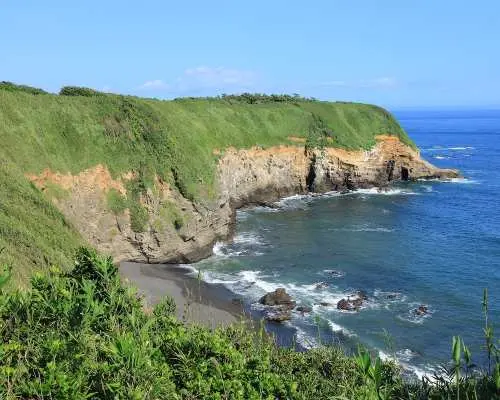
A flock of Japanese cormorants can be seen flying around Jogashima in the winter, from late October to April

If you are traveling in the Miura/Misaki area, the Misaki Maguro Ticket is a must-try
Purchase Notice
- You must claim your tickets at the Takanawa Exit Reception Counter at Shinagawa Station on the Keikyu Line, or at the Central Ticket Gate at Yokohama Station on the Keikyu Line
- Please claim your tickets on the day you intend to use them
- Please note that you will not be able to redeem the voucher if you are unable to show your QR code or your reservation number is unrecognisable
- The tickets in this package do not give you priority privileges when lining up. You will be asked to line up with the other guests in case the participating stores or facilities are experiencing an influx of visitors
- If your chosen product is out of stock at the participating restaurant or store, kindly choose another item
- Refunds will not be allowed once the tickets have been claimed
- Some parts of the Maedagawa Promenade are temporarily closed. Please check the Yokosuka City official website for the latest information
- Trains may be interrupted or delayed due to accidents or stormy weather. Please click here for the updated train information
- This package does not include room accommodation
Includes/Excludes
- Train and bus boarding ticket
- Maguro Manpuku ticket
- Miura/Misaki Omohide ticket
- Other expenses not mentioned above
Reminders
From Shinagawa: Exchange your ticket at the Takanawa Exit Reception Counter. Please note that this package cannot be used at the JR ticket gates
From Yokohama: Exchange your ticket at the Central Ticket Gate. Please note that this package cannot be used at the JR ticket gates or other lines not by Keikyu
After completing your booking, you will get an email confirming your reservation. If you do not receive this email, kindly contact KKday
Redemption Location
Redemption Info
- Please present the voucher at the station you selected during booking. The voucher cannot be claimed at stations other than the one you selected
- From Shinagawa: Exchange your ticket at the Takanawa Exit Reception Counter
- From Yokohama: Exchange your ticket at the Central Ticket Gate
Keikyu Line Shinagawa Station (Takanawa Exit Reception Counter)
Address Info: Keikyu Line Shinagawa Station 3-chome-26-26 Takanawa, Minato City, Tokyo, 108-0074, Japan
Monday 04:57 - 23:30
Tuesday 04:57 - 23:30
Wednesday 04:57 - 23:30
Thursday 04:57 - 23:30
Friday 04:57 - 23:30
Saturday 04:57 - 23:30
Sunday 04:57 - 23:30
From the first train to the last train
Keikyu Line Yokohama Station (Central Ticket Gate Reception Counter)
Address Info: Keikyu Line Yokohama Station (Central Ticket Gate Reception Counter) 2-chome-10-16 Takashima, Nishi Ward, Yokohama City, Kanagawa Prefecture, 220-0011, Japan
Monday 05:02 - 23:30
Tuesday 05:02 - 23:30
Wednesday 05:02 - 23:30
Thursday 05:02 - 23:30
Friday 05:02 - 23:30
Saturday 05:02 - 23:30
Sunday 05:02 - 23:30
From the first train to the last train
How to Redeem Your Voucher
How to Use Your Voucher
- The e-voucher will be sent to your email inbox. Please exchange it for physical tickets at the designated location
Cancellation Policy
- Free cancellation!
- Due to time zone differences, the confirmed cancellation date is based on the supplier’s local time. Please allow 2–5 business days to process your cancellation request, after which the cancellation fee will be charged according to the product’s cancellation policy. Once your refund request is confirmed, KKday will initiate the refund to your original payment method within 15 days. The actual refund timing depends on your card-issuing bank’s policy.
FAQ
1. What are the specific nutritional benefits of consuming Misaki Maguro tuna?
Misaki Maguro tuna is highly nutritious, rich in Omega-3 fatty acids (DHA and EPA) that support heart and brain health. It's an excellent source of high-quality protein essential for muscle repair and growth, and provides various B vitamins, including B6 and B12, which are important for energy metabolism and nerve function. It also contains selenium, an antioxidant that supports the immune system, while being relatively low in saturated fat.
2. How is Misaki Maguro tuna typically categorized within the broader classification of tuna species?
Misaki Maguro tuna primarily refers to high-quality Bluefin tuna, often Pacific Bluefin (Thunnus orientalis), sourced and processed in the Misaki area. It is distinguished from other tuna species like Yellowfin (Kihada), Bigeye (Me-bachi), or Albacore (Binnaga) by its larger size, darker flesh, and higher fat content, which contribute to its distinctive rich flavor and texture.
3. What distinct characteristics contribute to the renown of Misaki Maguro tuna?
Misaki Maguro tuna is renowned for its exceptional quality, characterized by a rich, deep umami flavor and a remarkably tender texture. Its distinctive appeal comes from often having a high degree of fat marbling, especially in cuts like o-toro and chu-toro, which melt delicately in the mouth. The reputation is further enhanced by the expert handling and preservation techniques employed by local fishermen and purveyors in Misaki, ensuring optimal freshness and taste.
4. Are there any specific mercury concerns when enjoying Misaki Maguro tuna?
As with many large, predatory, and long-lived fish species, Bluefin tuna like Misaki Maguro can accumulate higher levels of mercury compared to smaller fish. While its exceptional taste is highly prized, consumers, particularly pregnant women, breastfeeding mothers, and young children, are generally advised to consume it in moderation and consult local health guidelines regarding safe seafood consumption.
5. What distinguishes Hon Maguro from other varieties of Bluefin tuna often associated with the Misaki region?
Hon Maguro specifically refers to Pacific Bluefin tuna (Thunnus orientalis), which is widely considered the most prized and highest quality among all Bluefin varieties. Its superior status stems from its exceptional flavor, fine texture, and the highest fat marbling, especially in the premium belly cuts. While other Bluefin types exist globally, Hon Maguro sets the benchmark for top-grade tuna, frequently sought after and traded in markets connected to the Misaki region.
6. Does consuming Misaki Maguro tuna offer heart health advantages?
Yes, consuming Misaki Maguro tuna can offer significant heart health advantages primarily due to its rich content of Omega-3 fatty acids, specifically Eicosapentaenoic Acid (EPA) and Docosahexaenoic Acid (DHA). These essential fatty acids are well-recognized for their role in reducing triglyceride levels, lowering blood pressure, and decreasing the risk of cardiovascular diseases, contributing to overall heart wellness.
7. What are the recommended safe consumption limits for Misaki Maguro tuna, if any?
Due to its potential for higher mercury levels, general health recommendations suggest moderation for consuming larger tuna species like Bluefin. Specific guidelines vary by region, but often advise limiting intake to a few servings per week, especially for sensitive groups like pregnant or breastfeeding women and young children. It is always recommended to check the latest dietary advice from your local food safety authorities for precise recommendations.
8. What are the various cuts of Misaki Maguro tuna, and how do they impact its taste and texture?
Misaki Maguro tuna is typically enjoyed in three main cuts, each offering a distinct experience. Akami is the leanest cut, known for its deep red color, firm texture, and robust, clean tuna flavor. Chutoro, a medium-fatty cut from the belly, provides a balanced richness and a melt-in-your-mouth texture. Otoro, the fattiest cut, also from the belly, is highly prized for its intense marbling, buttery texture, and profoundly rich, almost dissolving quality on the palate.


