



Iloilo Pilgrimage Private Tour: San Joaquin Church, Guimbal Church, Tigbauan Church, Arevalo Church, Molo Church, Jaro Church, Miag-ao Church
- Embark on a spiritual journey by visiting famous and historical churches around Iloilo City, and enjoy a sense of renewal and rejuvenation with this tour
Package Options


Sightseeing Tours
| Tour Type | Private tour |
| Transportation method | Hotel transfer |
| Meal arrangement | Lunch included |
| Sightseeing type | Historic site tour |
| Transport | Charter car |
Product Info
Purchase Notice
- Pick-up location: Within Iloilo City
- Duration: 8 to 10 hours
- Meeting time: 08:00 am
- Lunch options:
・Option 1: Breakthrough (Choice of 3)
- Lechon manok (Native)
- Lechon liempo or pork lechon
- Beef variant option
- Chopsuey or mixed vegetables
- Managat fish
- Soda and steamed rice
・Option 2: Tatoy’s
- Native chicken
- Baked scallops
- Steamed rice
- Iced tea/soda
- Kindly provide your hotel name and address during checkout for accurate pick-up arrangements
- Children aged 3 years and below may partake in this tour free of charge, yet they must be accompanied by at least one (1) legal adult
- The child rate applies to children aged 4 to 11 years old
Cancellation Policy
- Once the order has been completed, it cannot be canceled, modified, or refunded
- Due to time zone differences, the confirmed cancellation date is based on the supplier’s local time. Please allow 2–5 business days to process your cancellation request, after which the cancellation fee will be charged according to the product’s cancellation policy. Once the cancellation is confirmed, you will receive your refund within 14 working days.
FAQ
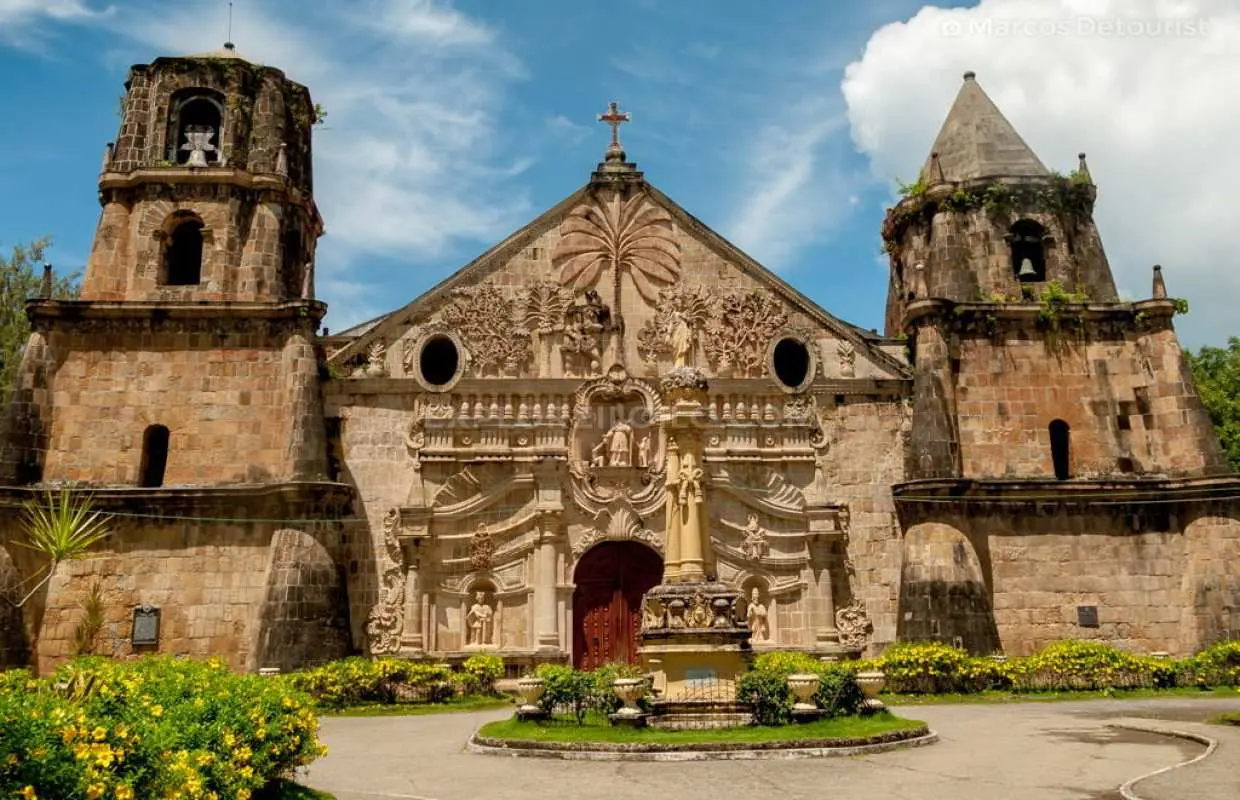
Miag-ao Church, also known as the Church of Santo Tomas de Villanueva, is a UNESCO World Heritage Site in Iloilo. Built in 1787, it exemplifies a unique 'fortress Baroque' architectural style, designed to withstand both natural disasters and pirate raids. Its facade features intricate bas-relief carvings depicting St. Christopher carrying the Child Jesus, surrounded by native flora like coconut and papaya trees, symbolizing local culture and agriculture. This fusion of Spanish Baroque and indigenous design makes it a significant historical and artistic landmark.
Jaro Church, or Jaro Metropolitan Cathedral, offers a profound spiritual experience, notably housing the Nuestra Señora de la Candelaria (Our Lady of the Candles), the only Marian image in the Philippines canonically crowned by a Pope outside of Manila. Its unique bell tower stands separately across the plaza, an unusual architectural design. Pilgrims visit to offer prayers and light candles, seeking blessings and miracles associated with the revered image, making it a focal point for devotion in Iloilo.
Molo Church, formally known as St. Anne Parish Church, stands out for its all-women ensemble of 16 saints enshrined on its altars, earning it the moniker 'the feminist church.' It's also celebrated as the only Gothic church in the Philippines outside of Luzon, showcasing intricate Gothic-Renaissance architecture. Its elegant white coral stone construction and twin belfries contribute to its iconic status and make it a highly recognizable landmark in Iloilo.
Molo Church's most striking features include its pure Gothic-Renaissance architectural style, reflected in its pointed arches, rose windows, and vaulted ceilings. Historically, it served as an evacuation center during World War II. The church's interior is adorned with statues of female saints, a unique characteristic. Its white coral limestone exterior glows beautifully, especially at sunset, making it a masterpiece of religious architecture and a testament to Iloilo's rich past.
This private tour ensures seamless transportation between all featured Iloilo churches. Guests will be picked up and dropped off at their designated location, traveling comfortably in a dedicated private vehicle. This eliminates the need to navigate local public transport, allowing for efficient travel between sites like Miag-ao, Molo, and Jaro Churches. The private vehicle provides convenience, flexibility, and a relaxed way to explore the various historical sites.
The tour is designed to provide ample time at each significant church. For sites like Guimbal Church and Tigbauan Church, visitors typically spend around 30-45 minutes exploring. This allows for appreciating their unique architectural details, historical significance, and serene ambiance without feeling rushed. The private tour pacing is flexible, ensuring a comprehensive and enjoyable visit to each historical landmark.
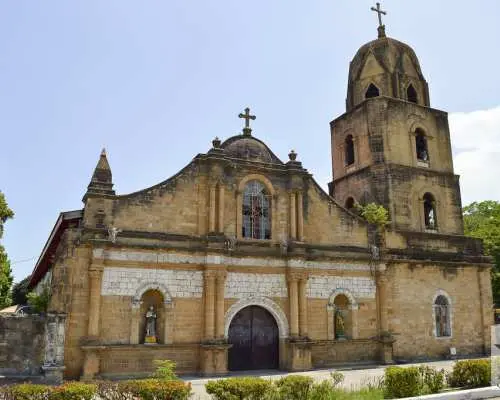
Guimbal Church, formally Saint Nicholas of Tolentino Parish Church, is renowned for its unique 'torta' or cake-like structure and its striking yellow-orange color derived from the coral, sandstone, and adobe used in its construction. It is a prime example of a 'fortress church,' built to defend against Moro raids, evident in its thick walls and watchtower. Its intricate facade details and robust structure highlight its historical dual purpose as a place of worship and defense.
San Joaquin Church is celebrated for its highly distinctive pediment, which features a detailed relief carving depicting the Battle of Tetuan (1859-1860) between Spanish and Moroccan forces. This rare military-themed facade, portraying soldiers in battle, cannons, and cavalry, is unique among Philippine churches. It serves as a historical monument commemorating a Spanish victory, reflecting a unique blend of religious and military history in its design.
Get Help


