

Package Options


Product Info
Purchase Notice
Duration: Lasts up to 8 hours
Reminders
Please refer to your voucher for final information regarding meeting points, pick-up locations, and pick-up time
Meeting point description: Meet your tour at the Vienna State Opera house, in front of the Opera fountain.(Operngasse 8, 1010 Wien, Austria)
Know in advance:Due to unforeseeable events such as high or low water or delays at locks or bridges, a program and/or route change may occur
This tour is conducted in a maximum of 3 languages
From October 30 to March 22, the itinerary changes and you'll visit Krems and Dürnstein
Note that the tour content varies by season (winter and summer)
Winter season: includes bus trip, visit to Krems/Dürnstein, and guided tour of Melk Abbey with admission
Summer season: includes bus trip, visit to Dürnstein, boat trip, and guided tour of Melk Abbey with admission (all-inclusive option only). The summer basic tour does not include Melk Abbey admission or a guided tour
Remember to bring:Do not forget to carry a passport with you
FAQ
1. Is a Wachau Valley day trip a worthwhile experience for first-time visitors to Austria?
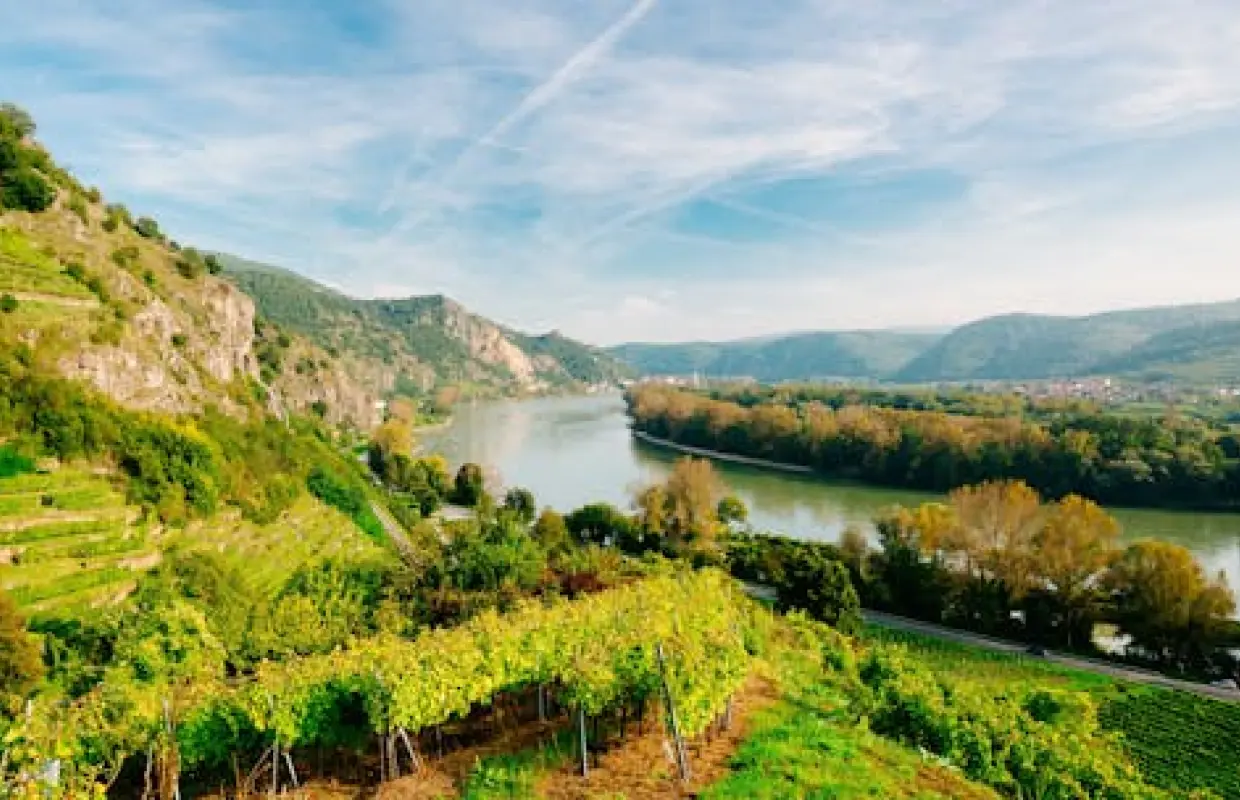
Yes, a Wachau Valley day trip is highly recommended for first-time visitors. It offers a unique blend of natural beauty, cultural heritage, and culinary delights. The region is a UNESCO World Heritage site known for its stunning terraced vineyards, medieval castles, picturesque villages, and the scenic Danube River. Key highlights often include a relaxing boat trip and a visit to the magnificent Melk Abbey.
2. What specific characteristics make the Wachau Valley a UNESCO World Heritage site?
The Wachau Valley earned its UNESCO World Heritage status due to its unique cultural landscape, which has preserved its medieval character and viticulture for centuries. It showcases a harmonious blend of natural river landscapes, historic towns like Dürnstein, impressive monasteries such as Melk Abbey, and traditional wine-making traditions, all shaped by human activity over millennia.
3. What kind of scenic beauty and natural landscapes can one expect to see in the Wachau Valley?
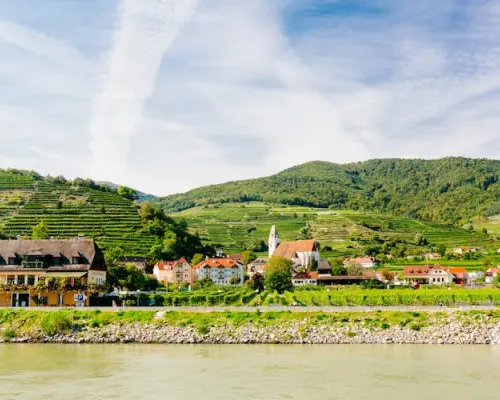
Visitors to the Wachau Valley can expect breathtaking landscapes dominated by rolling hills covered in terraced vineyards, dramatic medieval castle ruins perched above the Danube River, and charming villages nestled along the riverbanks. The Danube itself is a central feature, winding through the valley and offering picturesque views, particularly during a river cruise.
4. Where is the Wachau Valley geographically located, and what is its proximity to Vienna?
The Wachau Valley is located in Lower Austria, approximately 80 kilometers (50 miles) west of Vienna. It stretches for about 30 kilometers between the towns of Melk and Krems. Its proximity to Vienna makes it a popular destination for day trips, with various transportation options available for easy access from the capital city.
5. What are the best ways to explore the Wachau Valley's attractions, including the Danube river cruise?
Exploring the Wachau Valley is best done through a combination of methods. A highlight is undoubtedly the Danube river cruise, offering unparalleled views of vineyards, castles, and villages from the water. On land, visitors can explore charming towns like Dürnstein on foot, visit Melk Abbey, or enjoy cycling along the riverside paths. Many day trips from Vienna combine bus travel with a river cruise and stops at key sights.
6. What key sights and experiences, such as Melk Abbey, are typically included in a Wachau Valley day trip?
A typical Wachau Valley day trip often includes several key sights and experiences. Visitors usually enjoy a scenic Danube river cruise, offering views of the picturesque landscape and medieval ruins. Stops in charming villages like Dürnstein allow for exploring historic streets and castle ruins. A visit to the magnificent Benedictine abbey of Melk, renowned for its Baroque architecture, library, and church, is a central feature of most tours.
7. What kind of unique views and experiences does the Danube river cruise offer within the Wachau Valley?
The Danube river cruise through the Wachau Valley provides a unique perspective of the region's beauty. Passengers can leisurely glide past terraced vineyards, ancient castles, and quaint riverside villages, including the iconic blue church of Dürnstein. It offers a relaxing way to absorb the panoramic vistas, observe local life along the banks, and appreciate the scale of the valley's natural and architectural wonders.
8. What historical significance and architectural features make Melk Abbey a highlight of the Wachau Valley?
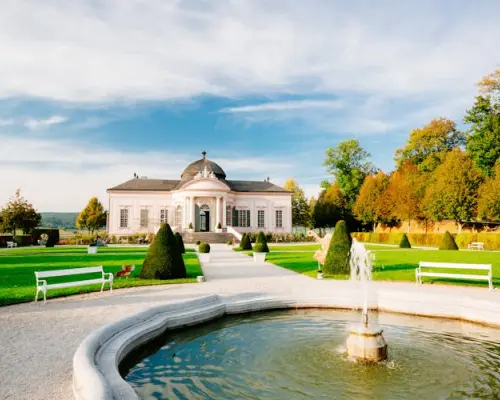
Melk Abbey is a prominent highlight due to its profound historical and cultural significance, as well as its stunning Baroque architecture. Originally a castle, it became a Benedictine monastery in the 11th century. Its current Baroque design, completed in the 18th century, features an impressive church with intricate frescoes, a magnificent library housing countless medieval manuscripts, and a marble hall, all contributing to its status as a grand symbol of Austrian Baroque artistry.


