

Saitama, Japan|Kadokawa Culture Museum Tickets
- Visit the Kadokawa Culture Museum, designed by the famous architect Kengo Kuma
- Popular spots in Tokorozawa Sakura Town, the birthplace of Japan's largest pop culture
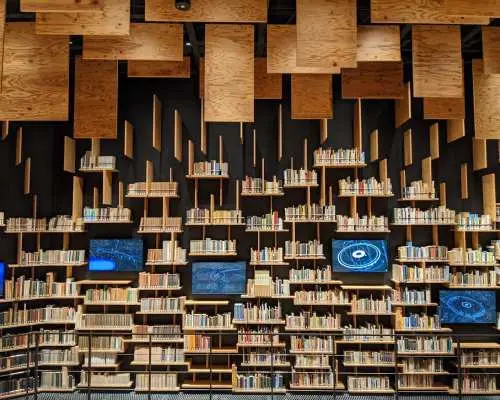
- Visit the Kadokawa Culture Museum and see the popular check-in spot "Bookshelf Theater"
Attraction Tickets
| Ticket type | E-ticket (direct entry) |
| Exhibit type | Art exhibits |
| Attraction type | Pop culture |
| Tour types | None |
| Additional service & facility | Barrier free, Luggage Storage |
Product Info
The content of this product is provided by machine translation and may not reflect the actual information, please take this into consideration before booking.
-Attraction Info-
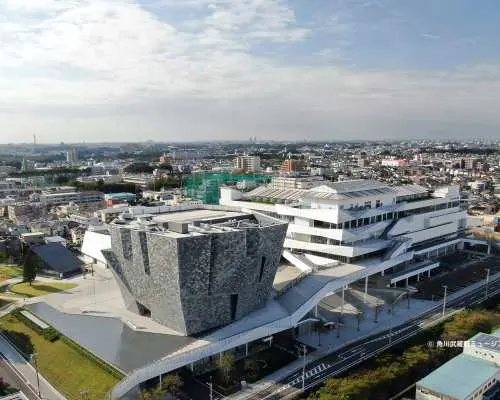
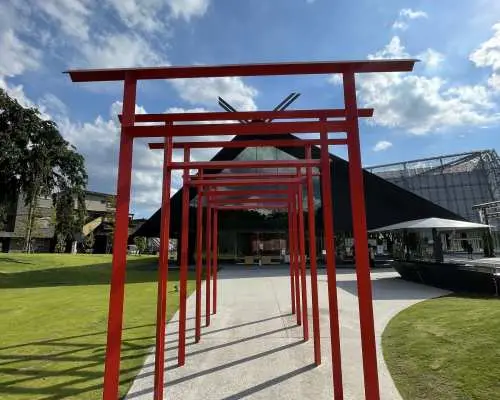
- The Kadokawa Culture Museum was jointly planned by the renowned Japanese publishing group Kadokawa Corporation and the city of Tokorozawa, and designed by the master architect Kengo Kuma. In addition to popular photo spots such as the giant bookshelf theater library, the museum also features exhibition and performance spaces, the Kadokawa Restaurant, and the Musashino Zareiwa Shrine, making it one of Saitama's popular new attractions.
[Common viewing area for 1-Day Passport & Evening Passport]
1st Floor: Lobby Gallery, Manga & Light Novel Library
4th Floor: Edit City - Book Street, Bookshelf Theater, Aramata Wonder Treasure House, EDIT & ART Gallery
The Bookshelf Theater is a popular spot at the Kadokawa Culture Museum, surrounded by a large 8-meter-high bookshelf.


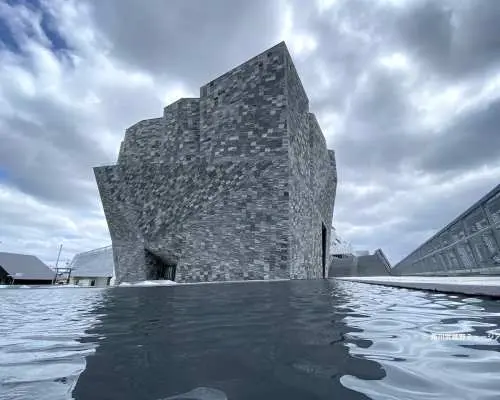
Kadokawa Culture Museum, designed by the famous architect Kengo Kuma


Galaxy Experience 999 Exhibition


Purchase Notice
【Kadokawa Culture Museum Ticket】
- Please refer to the official website for business hours.
- There are lockers in the museum. Please place your carry-on luggage in the lockers.
- Wheelchairs are available for rent in the museum. Please go to the general service counter on the 2nd floor if you wish to use one. ※ Quantity is limited. No loan reservations are accepted.
- Pets are not allowed in the museum. However, animals that perform care tasks (guide dogs, hearing dogs, assistance dogs, etc.) are allowed to accompany the visitors. In addition, in order to maintain environmental management, bringing plants into the park is prohibited.
- You can take photos inside the museum except in areas where photography is prohibited. However, filming is prohibited. In addition, please do not use flash, selfie sticks or tripods.
- Photos taken outside of prohibited photography areas may only be published for non-commercial purposes. Please assume the responsibility of use by the user. In addition, the museum is not responsible for the use of photos.
- You can bring baby strollers into the museum, but you are not allowed to enter the exhibition area. Before entering the museum, please place your stroller in the designated area of the museum.
- Due to changes in exhibition works in the museum, some facilities may not be accessible. Please forgive us for your understanding.
Reminders
In order to have a good viewing experience, please try to minimize conversations in the museum.
How to Redeem Your Voucher
How to Use Your Voucher
- Please present the e-voucher on-site
Experience Location
Location Name: Kadokawa Culture Museum
Address: 〒359-0023 Saitama Prefecture Tokorozawa City Higashitokorozawawada 3-31-3
Monday 10:00–18:00
Tuesday Closed
Wednesday 10:00–18:00
Thursday 10:00–18:00
Friday 10:00–18:00
Saturday 10:00–18:00
Sunday 10:00–18:00
- Opening hours Monday to Sunday: 10:00~18:00 (last admission 17:30)

FAQ
It is recommended to allocate approximately 2 to 3 hours for your visit to the Kadokawa Musashino Museum. This will allow you ample time to appreciate the unique exterior designed by architectural master Kengo Kuma, thoroughly explore the books and projections in the 'Book Shelf Theatre,' and browse other exhibition areas such as the 'Kadokawa Genyoshi Bunko.' You can reserve additional time if you plan to dine or shop for souvenirs at the surrounding Tokorozawa Sakura Town.
The 'Book Shelf Theatre' is the most iconic space within the Kadokawa Musashino Museum. Standing approximately 8 meters tall and housing around 50,000 books, it creates a visually stunning effect. This area regularly hosts projection mapping shows that combine books with light and shadow, offering a breathtaking artistic experience and making it a must-visit spot for photos.
The Kadokawa Musashino Museum was designed by the renowned architect Kengo Kuma. Its exterior is constructed from thousands of granite slabs stacked to form an irregular polyhedron, exuding a sense of futurism and strength. This distinctive design makes the building itself a large-scale work of art, creating a striking contrast with its surroundings and attracting many architecture enthusiasts.
The Kadokawa Musashino Museum integrates the functions of a library, art museum, and museum. Key exhibition areas include the impressive 'Book Shelf Theatre,' 'Editorial Engineering' which showcases the history and culture of the Kadokawa Group, the 'Exhibition Hall' that hosts regular themed exhibitions, and the 'Kadokawa Genyoshi Bunko' for literature study. The content is diverse and rich.
Tokorozawa Sakura Town is a cultural complex that blends anime, games, literature, and art. In addition to the Kadokawa Musashino Museum, you can visit the 'Musashino Za Reiwajinja Shrine,' enjoy delicious food at the 'Kadokawa Shokudo,' or purchase unique merchandise at the themed shops. The entire area offers a rich cultural experience and leisure entertainment.
To travel to Kadokawa Musashino Museum from central Tokyo, you can take the JR Musashino Line to 'Higashi-Tokorozawa Station.' From there, it's about a 10-minute walk to Tokorozawa Sakura Town. If you are coming from Ikebukuro, you can take the Seibu Ikebukuro Line to 'Tokorozawa Station' and then transfer to the Seibu Sayama Line towards Higashi-Tokorozawa Station.
To avoid crowds, it is recommended to visit the Kadokawa Musashino Museum on weekdays. If you can only visit on a weekend, aim for the first hour after opening (typically 10 AM to 11 AM) or the last two hours before closing. Planning ahead and avoiding Japanese national holidays will also generally lead to a more comfortable visiting experience.
There are many excellent photo spots within the Kadokawa Musashino Museum. The spectacular book walls and light effects of the 'Book Shelf Theatre' are a must-capture. Additionally, the unique exterior designed by master architect Kengo Kuma, the geometric staircases connecting different floors, and the thoughtfully curated art installations inside are all great places to capture memorable moments.
Get Help


