


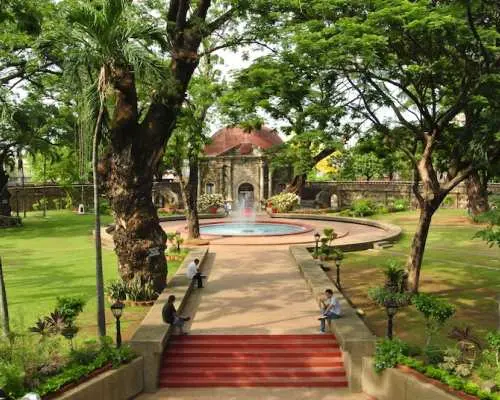

Historical Manila City & Intramuros Tour | Philippines
Go on an exciting sightseeing tour in Intramuros and explore the historical gems of the Philippines. Visit the most popular tourist attractions and travel back in time to discover Manila’s past and present.
- Visit historic landmarks in Manila and learn about the history of the Philippines
- Uncover the architectural and cultural heritage of the Spanish era in Intramuros
- Enjoy a convenient pickup & drop-off service from your hotel
Sightseeing Tours
| Transportation method | Hotel transfer |
| Tour types | Guided tour |
| Additional service & facility | Transfer included |
| Sightseeing type | City walking tour, Japanese castles, Historic site tour |
| Transport | Charter car |
Product Info
Important Info
Cancellation Policy
- Cancellations 8 day(s) (inclusive) before the selected date are allowed. Unused orders can be canceled for free
- Cancellation is not allowed between 0–7 days from the selected date. Orders cannot be canceled or modified, and refunds will not be granted.
- Due to time zone differences, the confirmed cancellation date is based on the supplier’s local time. Please allow 2–5 business days to process your cancellation request, after which the cancellation fee will be charged according to the product’s cancellation policy. Once the cancellation is confirmed, you will receive your refund within 14 working days.
FAQ
Intramuros, often called the "Walled City," was the seat of government and religion during the Spanish colonial period in the Philippines. It served as the political, military, and religious center, showcasing a rich blend of Spanish architecture and Filipino heritage. Visiting Intramuros offers a unique opportunity to journey back in time, understand the nation's pivotal historical moments, and appreciate its enduring cultural identity through preserved sites and stories.
Key highlights reflecting Intramuros' Spanish colonial past include Fort Santiago, a defensive fortress; San Agustin Church, a UNESCO World Heritage site and the oldest stone church in the Philippines; and Casa Manila, a replicated 19th-century colonial house offering a glimpse into aristocratic life. Walking along the ancient walls and exploring its cobblestone streets also reveals the intricate urban planning and architectural style from that era.
Yes, Intramuros is generally open to visitors. The walled city itself is accessible throughout the day, while specific attractions like Fort Santiago and San Agustin Church typically operate from morning to late afternoon, often closing around 5:00 PM to 6:00 PM. It's advisable to check the specific opening hours for individual sites before your visit, as they can vary.
While there isn't a strict overall dress code for the entire Intramuros area, it is highly recommended to dress respectfully, especially when entering religious sites like San Agustin Church. Modest attire covering shoulders and knees is appropriate for these sacred places. Comfortable clothing and footwear are also suggested due to the amount of walking involved in exploring the area.
Fort Santiago is an integral part of Intramuros, not a separate entity. It is a historical citadel located at the mouth of the Pasig River, within the northwestern tip of the walled city of Intramuros. As one of the most important historical sites in Manila, it served as a primary defense fortress during the Spanish colonial period and played a crucial role in Philippine history.
The Kalesa ride offers a charming, nostalgic way to explore Intramuros, allowing you to appreciate the historical sites and architecture from a traditional horse-drawn carriage. The experience typically includes a leisurely tour through the cobblestone streets. You can usually find Kalesa drivers near major entrance points or popular attractions within Intramuros, and arrangements are often made directly with the driver on-site.
To reach Intramuros using public transportation, you can take the LRT-1 and alight at Central Terminal Station. From there, Intramuros is a short walk across Padre Burgos Avenue. Alternatively, various jeepney routes and city buses pass by Intramuros, particularly those heading towards Lawton or Taft Avenue, making it accessible from different parts of Manila.
For convenient travel to Intramuros from hotels or major shopping centers like Mall of Asia, ride-sharing apps such as Grab are widely available and offer a comfortable door-to-door service. Taxis are another readily accessible option. Many hotels also offer private car services or can arrange guided tours that include convenient round-trip transportation, allowing for a hassle-free visit.
Get Help


