


Mount Bromo Sunrise and Ijen Blue Fire 2-Day Tour | Departure From Surabaya/Malang | Optional Madakaripura Tour
- Chase Two Iconic Natural Phenomena: Experience the world's most famous volcanic sunrise at Mount Bromo and trek by torchlight to witness Ijen's electric blue flames, a surreal sight found in only a few places on Earth.
- All-Inclusive & Hassle-Free Adventure: Focus on the scenery, not the logistics. This private tour covers 4WD Jeeps, national park fees, accommodation, most meals, and dedicated transport from Surabaya or Malang.
- Optional Majestic Waterfall Upgrade: Enhance your journey by adding a visit to the stunning Madakaripura Waterfall, a powerful curtain of water cascading down a cylindrical gorge—a true hidden gem.
- Perfect for Travelers with Limited Time: Designed for efficiency without sacrificing experience, this 2-day itinerary is ideal for weekend travelers or those wanting to see the best of East Java on a compact schedule.
- Private Tour for a Personalized Pace: Enjoy the flexibility and comfort of a private vehicle and guide, allowing you to explore Bromo's Sea of Sand and Ijen's crater at your own rhythm.
Package Options
Product Info
Embark on an unforgettable 2-day adventure exploring East Java's most spectacular natural wonders. This comprehensive tour begins with convenient pickup from Surabaya or Malang, taking you first to witness the magical sunrise over Mount Bromo. Experience the thrill of a 4WD jeep ride across the Sea of Sand and climb to the edge of Bromo's active crater. The adventure continues to Ijen Volcano, where you'll trek under the stars to witness the legendary blue flames - a rare natural phenomenon visible only in darkness. As dawn breaks, marvel at the stunning turquoise acidic lake within the crater.
For those seeking additional wonders, we offer an optional extension to Madakaripura Waterfall, where you can experience the breathtaking sight of water cascading down towering canyon walls. This all-inclusive tour features comfortable accommodation, most meals, private transportation, and experienced guides to ensure a seamless and memorable experience. Perfect for adventure seekers and nature lovers alike, this tour packages East Java's most iconic destinations into one efficient itinerary, complete with the flexibility to customize your journey with the magnificent Madakaripura Waterfall addition.

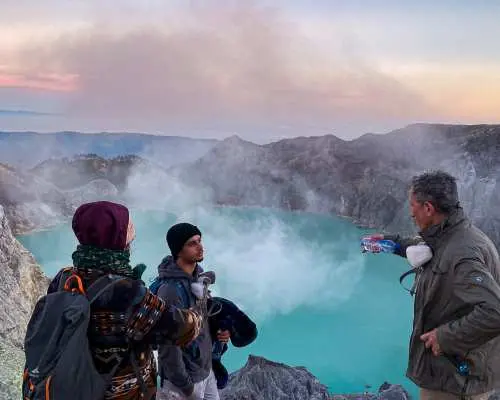
The stunning turquoise acidic lake of Mount Ijen

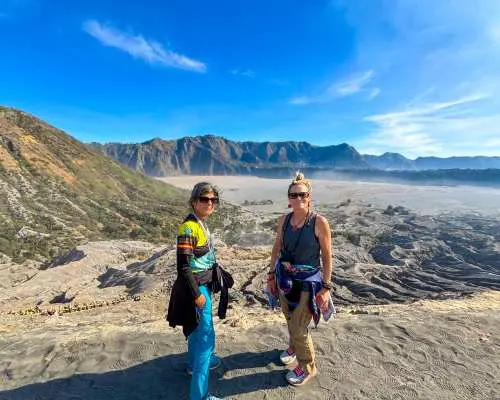
The magical sunrise over Mount Bromo

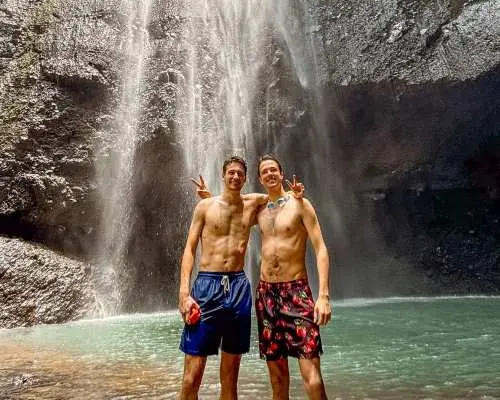
The breathtaking sight of water cascading down towering canyon walls
What You Can Expect
1 Day
- 00:00Depart from Surabaya/Malang and drive to Sukapura Village
- 02:00Arrive at Sukapura Village and head to Sunrise View Point by using 4WD jeep
- 03:00Arrive at Sunrise View Point and take a coffee break while waiting the sunrise
- 04:30Enjoy the Bromo sunrise
- 06:00Head to Mt. Bromo Crater
- 07:00Volcano climbing
- 08:30Visit the sea of sand and take photos
- 09:00Have a breakfast
- 10:00Drive to your hotel in Bondowoso/Banyuwangi with stop over for lunch
- 23:30Wake up at early morning and drive to Paltuding of Mt. Ijen Crater (Breakfast provided in a breakfast box)


2 Day
- 01:30Arrive at Paltuding Camp, and prepare for hiking Ijen
- 02:00Climbing Mt Ijen (It needs at least 1,5 hours - 2 hours Climbing)
- 04:00Witnessing the Blue Flame and Blue Lake
- 06:00Going down from Mt Ijen
- 07:30Have a breakfast (the hotel will provide you with a breakfast box)
- 08:30Drive to drop-off point (Ketapang Port/Surabaya/Malang)


Purchase Notice
- Add Madakaripura Waterfall : After Bromo Sunrise on Day 1, you will continue to the waterfall and explore for 3 hours before driving to your hotel in Banyuwangi or Bondowoso. You will arrive at around 5-6 PM.
- Please be ready 10 minutes before the departure
- Make Sure You're Fit
- Other pick up and drop off points are upon request
- You will be contacted by the tour guide on the day of your trip
- The weather is unpredictable. Be prepared for sudden weather changes.
- Pick up time is at 00:00 from your hotel/ train station/ airport.
- Mount Bromo trekking difficulty : Easy to moderate (30ish-minute walk from the parking area to the crater).
- Mount Ijen trekking difficulty : Moderate to challenging (3 km uphill trek, approx. 1.5–2.5 hours).
- Please book for the date of the sunrise.
Reminders
Travelers with the following conditions or other health issues that could be worsened by excessive stimulation should not participate in this activity: High blood pressure, Pregnant women, Heart disease, Acrophobia, Asthma, Epilepsy
How to Use
How to Use Your Voucher
- Please present the e-voucher on-site
Pickup Point
Location Name: Surabaya
Address: Juanda International AirportLocation Name: Malang
Address: Malang Train StationFAQ
1. What makes the Mount Bromo sunrise experience unique for visitors?
Mount Bromo's sunrise offers a breathtaking panoramic view of the active volcano alongside Mount Semeru and the vast Sea of Sand. Visitors witness an ethereal landscape as the sun bathes the caldera in golden hues, providing a unique photo opportunity and a profound connection with nature's raw power. It's often described as one of the world's most spectacular volcanic sunrises.
2. How long is the trek to Mount Bromo's crater rim for sunrise viewing?
The journey to Mount Bromo's crater rim typically starts with a 4WD jeep ride to a viewpoint (like Penanjakan). After sunrise, jeeps descend to the Sea of Sand, where visitors then walk for approximately 30-45 minutes to the base of the crater stairs. The final ascent up the stairs to the rim takes about 15-20 minutes.
3. What is the hiking difficulty level for Mount Bromo's crater ascent?
The hike to Mount Bromo's crater rim is generally considered moderate. The main challenge is the sandy terrain across the "Sea of Sand" and the final 250-step climb to the crater, which can be steep. It's manageable for most with average fitness, but volcanic ash can make it dusty, and the early morning start requires stamina.
4. How can visitors best manage crowds during the Mount Bromo sunrise viewing?
To better manage crowds during Mount Bromo sunrise, arriving early at the viewpoint is key to securing a good spot. Some tours utilize less-known viewpoints to offer a more exclusive experience. During the hike across the Sea of Sand and up the crater stairs, staying with your group and pacing yourself can also help navigate the flow of visitors.
5. Under what conditions can the Ijen Crater's blue fire phenomenon be best observed?
The Ijen Crater's blue fire is best observed in complete darkness, typically between 2 AM and 4 AM. It requires trekking down into the crater, and visibility depends on clear weather conditions without heavy rain or fog. A clear night sky away from artificial light sources enhances the phenomenon's brilliance, making it a truly surreal sight.
6. What is the hiking challenge level for reaching Ijen Crater's blue fire viewpoint?
The hike to Ijen Crater is challenging, rated as moderate to difficult. It involves a steep ascent of about 1.5 to 2 hours in the dark, followed by a descent into the crater to see the blue fire, which is rugged and uneven. A good fitness level, sturdy hiking shoes, and headlamps are essential for this demanding trek.
7. Are there any specific operational hours or closure periods for visiting Ijen Crater?
Ijen Crater generally operates year-round, but specific sections, like the descent to the blue fire, may have restricted hours or temporary closures due to volcanic activity, elevated gas levels, or maintenance work. It's advisable to check the latest local conditions or consult your tour operator immediately before your visit for current operational status.
8. What safety precautions are recommended for trekking to Ijen Crater, especially for blue fire viewing?
Safety precautions for Ijen include wearing a gas mask (especially in the crater), sturdy hiking shoes, and warm layered clothing. Headlamps are crucial for the dark trek. Always follow your guide's instructions, stay on designated paths, and be aware of slippery or uneven terrain. Maintain a safe distance from active vents and sulfur miners.


