
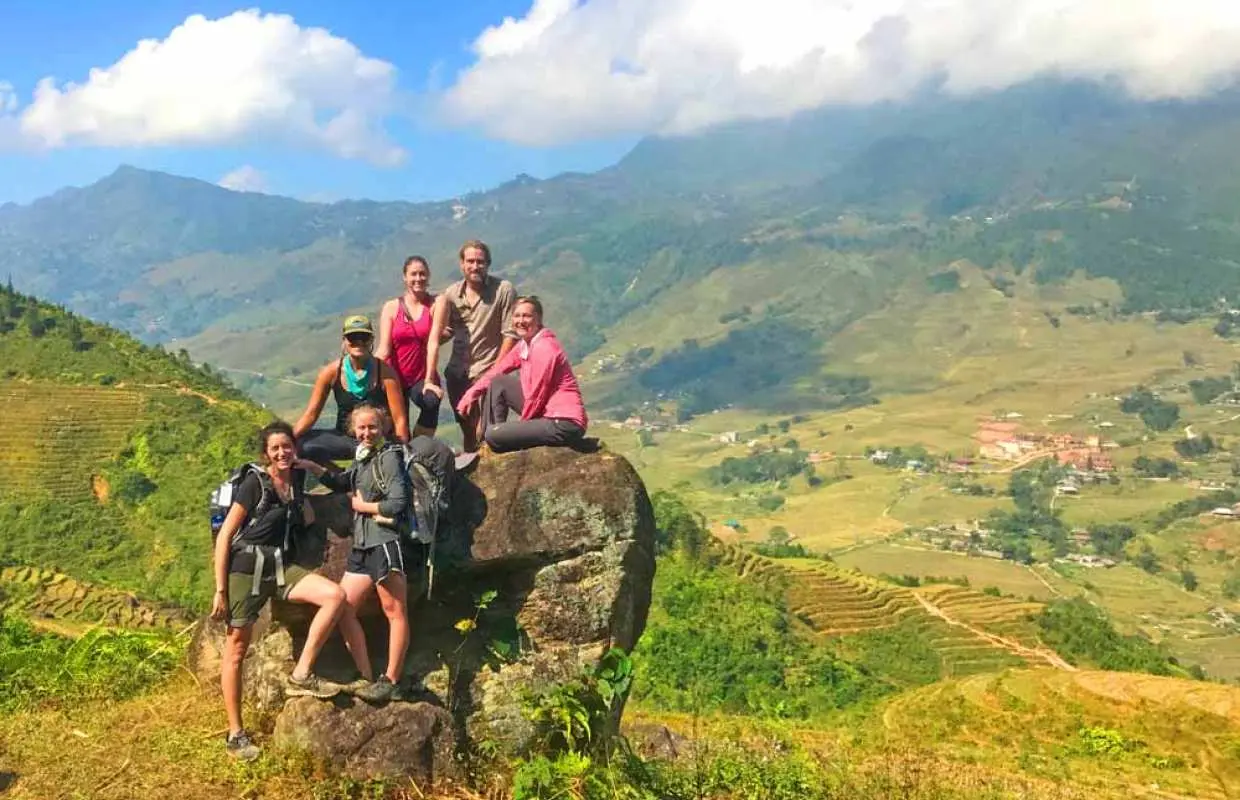


Sapa 2 Days 1 Night Tour – Trekking Through Y Linh Ho Villages & Overnight in Ta Van Homestay | From Hanoi, Transfer by bus
- Scenic bus journey from Hanoi to Sapa with breathtaking mountain views.
- Trekking through stunning rice terraces and along the peaceful Muong Hoa Valley.
- Visits to Y Linh Ho, Lao Chai, Ta Van, and Giang Ta Chai ethnic villages.
- Authentic overnight stay in a local bungalow homestay with the Giay people.
- Chance to join cooking with locals and taste homemade Vietnamese dishes.
- Immersive cultural encounters with H’mong, Dzao, and Giay ethnic minorities.
Package Options


Product Info
Purchase Notice
Pick-up is available within the Hanoi Old Quarter area only.
For hotels outside the Old Quarter, guests will be asked to come to a designated meeting point.
Reminders
Travelers with the following conditions or other health issues that could be worsened by excessive stimulation should not participate in this activity: Heart disease, Pregnant women
In case the tour cannot operate due to weather conditions or other force majeure reasons, we will inform you at least 2 days in advance and provide a full refund.
Pick-up time will be confirmed the evening before departure.
Please be at the pick-up point 5–10 minutes early.
The driver will wait a maximum of 15 minutes; we are not responsible for guests arriving late for any reason.
FAQ
Y Linh Ho Village is nestled in the scenic Muong Hoa Valley, southwest of Sapa town. It serves as a popular starting point for treks, offering picturesque views of terraced rice fields, the meandering Muong Hoa River, and opportunities to interact with the Black H'mong ethnic community. Its relatively accessible location and stunning natural beauty make it an ideal introduction to Sapa's trekking experiences and local culture.
Trekking through the Muong Hoa Valley and Sapa's ethnic villages reveals breathtaking landscapes. You will see vast terraced rice fields that cascade down hillsides, especially vibrant during planting and harvest seasons. The scenery also includes lush bamboo forests, traditional stilt houses of ethnic communities, and the serene Muong Hoa River winding through the valley. These provide stunning photographic opportunities and a sense of peaceful rural life.
An overnight stay in a Ta Van Village homestay offers an authentic cultural immersion experience with the Giay people. Guests typically stay in traditional wooden houses, often with shared common areas and basic amenities. You can expect to enjoy homemade Vietnamese meals, sometimes with the chance to observe or participate in the cooking process. It’s a unique opportunity to witness local customs, interact with the host family, and experience village life firsthand in a cozy setting.
Cultural immersion in Sapa's ethnic villages includes visiting the traditional homes of the H'mong, Dzao, and Giay people, observing their daily routines, and engaging in interactions. You might see locals engaged in traditional crafts like weaving and dyeing fabrics, learn about their farming practices, or share a meal. These encounters offer profound insights into their unique traditions, languages, and handicrafts, fostering a deeper appreciation for their rich heritage.
A 2-day trekking experience in Sapa typically involves guided walks through picturesque landscapes, including terraced rice fields and the peaceful Muong Hoa Valley. You will visit several ethnic minority villages such as Y Linh Ho, Lao Chai, and Ta Van, offering opportunities to interact with local communities. A highlight is an authentic overnight stay in a local homestay, often with a Giay family, providing genuine cultural immersion and traditional meals.
The ideal times to visit Sapa for trekking and experiencing its famous rice terraces are generally from March to May (spring) and September to November (autumn). Spring offers pleasant weather for hiking and lush green landscapes. Autumn is particularly stunning, as it coincides with the golden rice harvest season, providing breathtaking photographic opportunities. It is advisable to avoid the peak rainy season between June and August for more comfortable trekking conditions.
The trekking difficulty for the paths around Y Linh Ho and Lao Chai villages is generally considered moderate. Trails can involve various terrains, including gentle slopes, steeper ascents and descents, and narrow dirt paths that may become muddy or slippery, especially during or after rainfall. A reasonable level of physical fitness is recommended. It is essential to wear sturdy, comfortable trekking shoes with good grip, and trekking poles can be helpful for added stability.
Before trekking in the Sapa region, visitors should prepare adequately. Pack sturdy, waterproof trekking shoes, comfortable clothing layers, and rain gear, as weather can change quickly. Carry sufficient water, snacks, sunscreen, and insect repellent. A small personal first-aid kit is also recommended. Always respect local customs and traditions, especially when visiting ethnic minority villages. Considering a local guide can enhance safety and cultural understanding.
Get Help


