


Busan | 3 World Heritage Sites Tour: Bulguksa Temple + Seokguram Grotto + Haeinsa Temple | Japanese guide, hotel pick-up and drop-off, lunch included
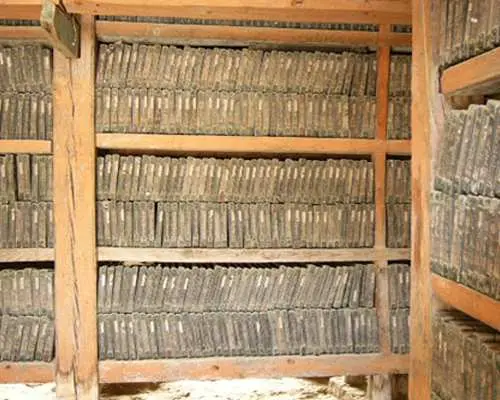
- We'll efficiently visit Bulguksa Temple, Seokguram Grotto, and Haeinsa Temple's Tripitaka Koreana Hall, three major World Heritage sites!
- A Japanese-speaking guide will accompany you, so you don't need to worry about language barriers.
- Enjoy Gyeongju's stunning scenery and delicious cuisine with a lunch featuring Gyeongju's famous Korean dishes.
Product Info
Important Info
Reminders
A minimum of 2 traveler(s) are required for the tour to depart. If the number of participants does not reach the minimum requirement, the tour will be canceled. An email regarding tour cancellation will be sent 3 day(s) before the departure date
Children aged 0-2 years old are free (seats may not be available). Children aged 3 years old and above are charged the same as adults.
As much of the sightseeing will be on foot, we recommend wearing comfortable clothing and shoes.
This is a shared vehicle tour, so please note that if there are other pickups, you may have to wait a little while.
The tour duration may vary slightly depending on traffic conditions.
Tours may be changed or canceled due to natural disasters or other circumstances.
Please note that the tour will not operate on Korean Chuseok and Lunar New Year's Day.
Please be sure to arrive on time. If you are late and are unable to join the tour, the tour fee will not be refunded.
FAQ
1. How do I get to Seokguram Grotto from Bulguksa Temple?
Seokguram Grotto is situated on the mountain above Bulguksa Temple. You can take local bus number 12 from the Bulguksa Temple bus stop directly to Seokguram Grotto. The bus journey typically lasts about 15-20 minutes, offering scenic views along the ascent. Alternatively, a taxi ride between the two sites takes approximately 10-15 minutes.
2. What cultural aspects make Bulguksa Temple a unique visitor experience?
Bulguksa Temple offers a profound cultural experience through its UNESCO-listed architecture, embodying the golden age of Silla Buddhist art. Visitors can admire the iconic Dabotap and Seokgatap pagodas, representing contrasting yet harmonious styles, and explore the serene courtyards and halls. The temple's design reflects a utopian Buddhist land, providing a tranquil atmosphere to reflect on its rich history and spiritual heritage.
3. What is the historical significance of Bulguksa Temple in Korean Buddhism?
Bulguksa Temple holds immense historical significance as a masterpiece of Silla-era Buddhist architecture, built in the 8th century. It symbolizes a harmonious blend of nature and religion, representing the ideal Buddhist kingdom on earth. The temple's layout and relics provide invaluable insights into the advanced scientific, artistic, and religious understanding of ancient Korea, serving as a spiritual and cultural heartland for centuries.
4. To what extent have Bulguksa Temple and Seokguram Grotto retained their original structures and authenticity?
While Bulguksa Temple and Seokguram Grotto have undergone various renovations and reconstructions throughout history due to conflicts and natural decay, significant portions and their foundational layouts preserve the original Silla architectural styles. Extensive efforts have been made to restore and maintain them using traditional techniques and historical records, ensuring that their authentic essence and historical integrity as UNESCO World Heritage sites are largely preserved.
5. What key architectural elements should visitors look for at Bulguksa Temple?
At Bulguksa Temple, visitors should observe the two iconic pagodas, Dabotap and Seokgatap, which stand majestically in the main courtyard. The Cheongungyo (Blue Cloud Bridge) and Baegungyo (White Cloud Bridge) staircases, leading to the main entrance, are notable for their unique arched design. Inside, the Daeungjeon (Hall of Great Enlightenment) and Beopwangjeon (Hall of Dharma Kings) showcase exquisite Buddhist statues and intricate wooden craftsmanship.
6. What are the primary reasons Seokguram Grotto is designated a UNESCO World Heritage site?
Seokguram Grotto is recognized by UNESCO for its exceptional artistic and architectural achievements, particularly its unique man-made cave temple housing a magnificent main Buddha statue. It exemplifies the peak of Silla Buddhist art, combining architectural mastery, sculptural brilliance, and a deep understanding of geometry and physics. Its serene setting and spiritual significance also contribute to its status as an irreplaceable cultural treasure.
7. Is it possible to visit Haeinsa Temple on the same day as Bulguksa Temple and Seokguram Grotto?
Yes, it is possible to visit Haeinsa Temple along with Bulguksa Temple and Seokguram Grotto on a single-day tour, particularly with organized tours that provide dedicated transportation between these World Heritage sites. Haeinsa Temple is located further out near Daegu, so a well-planned itinerary and efficient travel are essential to cover all three significant attractions within a single day.
8. What kind of guided information is provided about the history of Bulguksa Temple during a visit?
During a guided visit to Bulguksa Temple, visitors receive comprehensive explanations about its founding, construction methods, and the historical periods it represents, particularly the Silla Dynasty. The guide will elaborate on the symbolism of its architectural components, the significance of the Buddhist relics, and the temple's enduring role in Korean culture and spirituality. This enhances understanding of its profound heritage.


