


Taichung | Two-Day Secret Tour of the Dajia River Basin | Explore with Flying Squirrels
- Put on your helmet, start your engine, and explore the hidden off-road trails that only the tribesmen know about.
- Led by a tribal hunter, you'll visit the flying squirrel habitat at night, listen to the sounds of the forest, and observe the mysterious nocturnal creatures
- Enter the tribal workshop and build the traditional Atayal instrument, the mouth harp, to explore the roots of culture through sound.
- Heal your body and soul in a forest tea party and succulent plant handicraft, and savor the gentle rhythm of the afternoon sun blending with the land
Hiking Activities
| Trail/Hiking type | Forest adventure |
| Activity season | Spring, Summer, Fall, Winter |
| Tour Type | Shared tour |
| Transportation method | Get there on your own |
Product Info
What You Can Expect
1 Day
- 09:00Meeting place: Thai Fun Hunter Camp
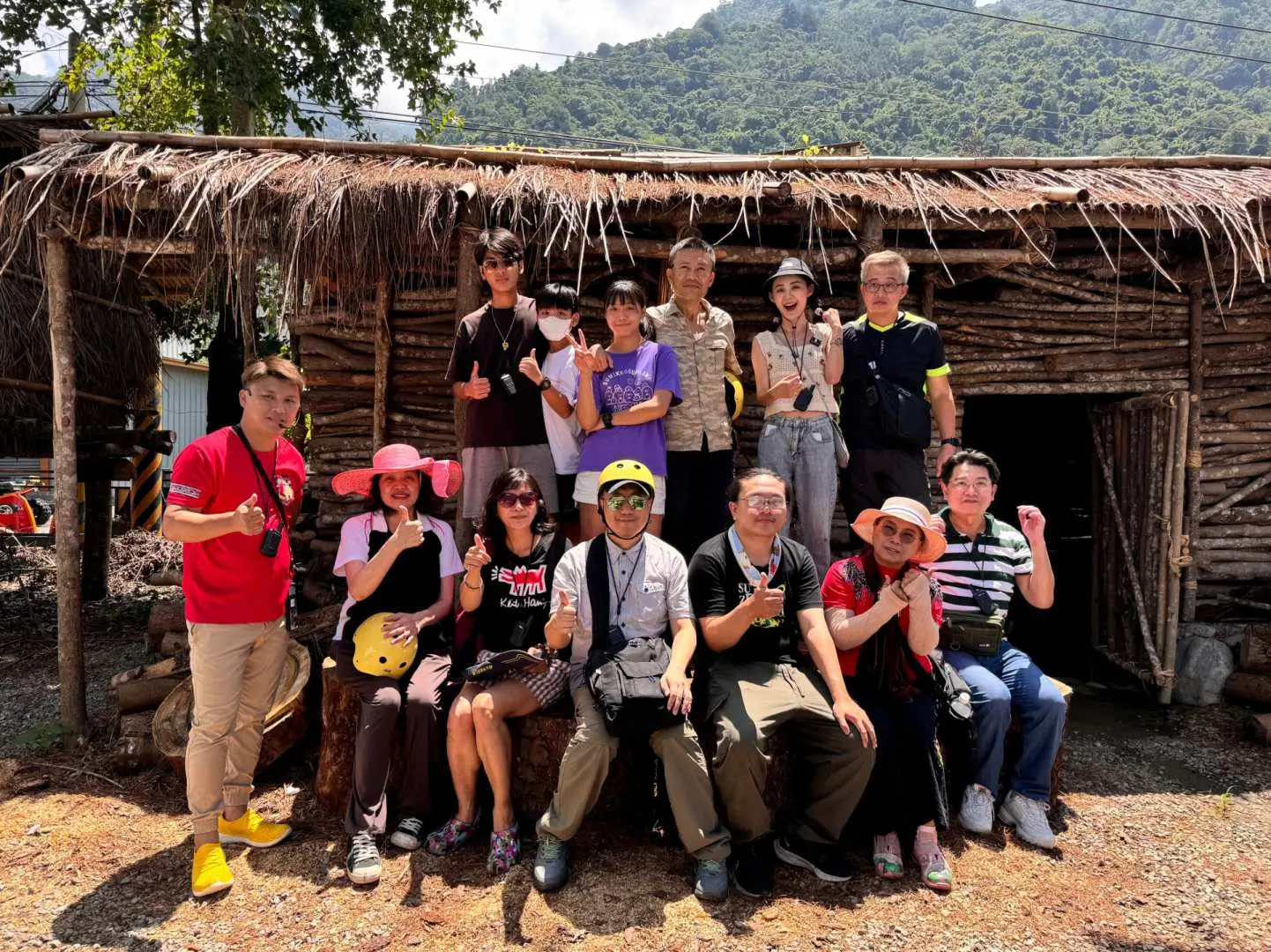
- 09:10Tour of Atayal Houses
- 09:30Aunt Gillian's Shop
- 09:50Forest Hunting Ground Healing and Stress Relief
- 10:10Guided tour of the century-old cypress plank house
- 10:40Water fun at the valley river
- 12:00Rest (free time)
- 17:00Tribal cuisine dinner (this is a diagram, it will be made with seasonal ingredients)
- 19:00Flying Squirrel Sleepless Night



2 Day
- 09:50Gathering (Lilengwuzhe Craft Workshop)
- 10:00Li Leng Handicraft Workshop and Mouth Harp Experience
- 12:00A heartfelt dining experience from the tribe
- 13:00Natural material creation, tribal afternoon tea




Important Info
Reminders
A minimum of 8 traveler(s) are required for the tour to depart. If the number of participants does not reach the minimum requirement, the tour will be canceled. An email regarding tour cancellation will be sent 3 day(s) before the departure date
Please bring a valid ID or passport for identity verification on the day of the event.
Please check your email or text message for confirmation from the supplier.
Please arrive at the meeting point at least 15 to 30 minutes before the scheduled start time. Latecomers will be considered no-shows.
No refunds will be given for no-shows or latecomers.
The itinerary may be changed due to weather or unexpected circumstances. Please check your message or the supplier's website for the latest notifications.
If you plan to bring a stroller, wheelchair or large equipment, please inform the supplier in advance.
How to Redeem Your Voucher
How to Use Your Voucher
- Please present the e-voucher on-site
Validity Period
- The voucher must be used on the selected date and within operating hours; Invalid after expiration
Experience Location
Location Name: Songhe Tribe
Address: No. 360, Section 1, Dongguan Road, Heping District, Taichung CityLocation Name: Natural Sounds and Forest Picking
Address: No. 49-1, Li Leng Lane, Section 1, Dongguan Road, Heping District, Taichung CityCancellation Policy
- Cancellations 5 day(s) (inclusive) before the selected date are allowed. Unused orders can be canceled for free
- For cancellations made 2 to 4 days prior to selected date, a cancellation fee of 50% will apply
- Cancellation is not allowed between 0–1 days from the selected date. Orders cannot be canceled or modified, and refunds will not be granted.
- Due to time zone differences, the confirmed cancellation date is based on the supplier’s local time. Please allow 2–5 business days to process your cancellation request, after which the cancellation fee will be charged according to the product’s cancellation policy. Once the cancellation is confirmed, you will receive your refund within 14 working days.
FAQ
The overall environmental quality in the Dajia River basin is good, and the water quality is continuously maintained through the efforts of the government and local residents. The upper watershed is protected, resulting in clear water. The middle and lower reaches are influenced by domestic and agricultural use, but through environmental protection measures in recent years, the water quality situation has improved. The basin boasts rich biodiversity and serves as an important habitat for many plants and animals.
The Dajia River is a centrally administered river and an important water system in central Taiwan. It originates from Nanhu Mountain and flows between the Central Mountain Range and the Snow Mountain Range. Its hydrological characteristics include a steep riverbed gradient, fast flow, and significant seasonal water volume fluctuations, with a large difference between flood and dry seasons. It also carries a substantial amount of sediment.
The characteristics of the Dajia River basin's water are primarily reflected in the clarity of the upper reaches and the changes in the middle and lower reaches. The upper reaches have pure water quality, suitable for the growth of various fish and aquatic plants. The middle and lower reaches, due to geology and scouring, may appear more turbid, especially during the rainy season. Overall, the Dajia River is rich in water resources, providing an important source for agricultural irrigation and domestic use.
Deji Reservoir is located in the upper reaches of the Dajia River and is one of Taiwan's important reservoirs. It intercepts the main flow of the Dajia River, forming a vast artificial lake. It not only supplies domestic water and agricultural irrigation but is also a crucial facility for Taiwan Power Company's Dajia River power generation series. The construction and operation of Deji Reservoir have a decisive impact on the water resource utilization of the Dajia River basin.
On the Dajia River basin's hidden gem tour, you will deeply explore the two major indigenous villages of Songhe and Lileng. In these villages, you will experience traditional culture, savor mountain forest cuisine, and have the opportunity to learn about the history and lifestyle of the communities. The itinerary also takes you along private off-road routes known only to locals, allowing you to experience the natural secrets of the Dajia River basin.
Historically, the Dajia River has been primarily used for agricultural irrigation and hydropower generation. Hydropower development plans existed during the Japanese colonial era. After World War II, a series of water conservancy projects, such as the Deji and Guguan reservoirs, were built, making the Dajia River an important hydropower base in Taiwan. It also provides abundant agricultural and domestic water for central Taiwan, playing a key role in regional development.
The focus of the night visit to observe flying squirrels is to witness their nocturnal ecology and habits. Guided by a local hunter, you will learn how to identify their calls and gliding paths. Observe flying squirrels active and foraging among the treetops, experience the tranquility and vitality of the forest at night, and understand their connection to the local ecosystem. Please remain quiet, avoid light pollution, and do not disturb their natural behavior.
By participating in the tribal workshop experience in the Dajia River basin, you can personally craft the traditional Atayal musical instrument, the 'mouth harp'. Under the guidance of a master craftsman, you will select bamboo, shape it, and assemble it step by step to create your own mouth harp. This is not just a hands-on experience but also a unique opportunity to explore the roots of Atayal culture through sound, allowing you to take home a meaningful souvenir.
Get Help


