

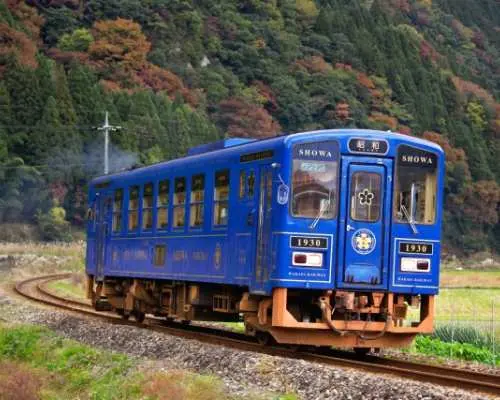

A private tour of Wakasa Goshuin stamps on a local train! A retro travel experience! Enjoy the romance of trains and the charm of Japan in Wakasa (Wakasa Town, Tottori)
- A private tour to visit Wakasa Shrine Stamps on a local train! A retro travel experience. Enjoy the romance of trains and the charm of Japan in Wakasa. Book now on KKday!
Sightseeing Tours
| Tour Type | Private tour |
| Transportation method | Transfer from meeting point |
| Tour types | Guided tour |
| Sightseeing type | Temples & shrines |
Product Info
Purchase Notice
If the tour is cancelled due to weather or other reasons, we will contact you by the evening of the previous day.
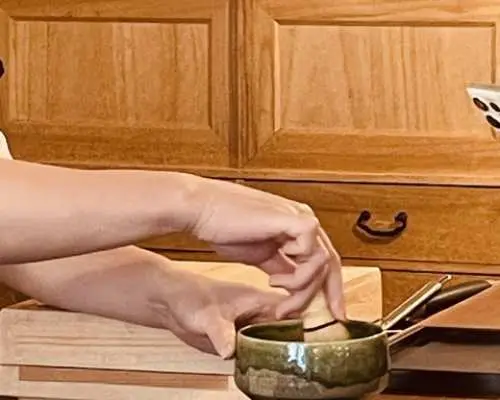
・If you cannot drink matcha, please let us know. We will provide Japanese green tea, roasted green tea, etc.
・You can get the stamps of Wakasa Shrine and Wakasa Benzaiten Enoshima Shrine at Wakasa Shrine, but please note that there may be cases where the chief priest is suddenly unavailable and cannot respond.
・If you would like a train stamp, station stamp, or castle stamp, please let your guide know.
[In case of cancellation]
・The tour may be canceled after the reservation is confirmed due to bad weather or natural disasters.
・If the event is canceled due to weather, natural disasters, etc., the operator will contact the emergency contacts. Please be sure to check your emails and calls on the day.
[Language support]
An English or Chinese guide will accompany you.
[Parking availability]
Paid parking available around Tottori Station
Reminders
What to wear/what to bring: comfortable walking clothes, shoes, rain gear, cold weather gear, heat stroke prevention measures *Please bring your own drinking water if you need it.
Cancellation Policy
- Cancellations 15 day(s) (inclusive) before the selected date are allowed. Unused orders can be canceled for free
- For cancellations made 4 to 14 days prior to selected date, a cancellation fee of 50% will apply
- Cancellation is not allowed between 0–3 days from the selected date. Orders cannot be canceled or modified, and refunds will not be granted.
- Due to time zone differences, the confirmed cancellation date is based on the supplier’s local time. Please allow 2–5 business days to process your cancellation request, after which the cancellation fee will be charged according to the product’s cancellation policy. Once your refund request is confirmed, KKday will initiate the refund to your original payment method within 15 days. The actual refund timing depends on your card-issuing bank’s policy.
FAQ
1. What is the availability of Goshuin stamps at temples and shrines in the Wakasa area?
Most major temples and shrines in the Wakasa area offer Goshuin stamps as a spiritual memento. Smaller or lesser-known sites might not always have a dedicated Goshuin counter, or may only offer them on specific days. It's advisable to check official websites or inquire locally when visiting lesser-known places to confirm availability, ensuring a fruitful collection experience.
2. What are Goshuin stamps, and what do they represent in Japan?
Goshuin stamps are unique calligraphic and seal imprints received from Japanese temples and shrines, serving as proof of a visit and a spiritual connection. They typically include the name of the deity or temple/shrine, the date of visit, and specific seals. They are not merely souvenirs but sacred tokens, often kept in a special Goshuincho (stamp book), symbolizing a bond with the divine.
3. What are the proper etiquette and usage guidelines for a Goshuincho in Japan?
When collecting Goshuin, always present your Goshuincho respectfully. Typically, only one side of a page is used for a stamp to prevent ink bleed-through to the opposite side, which is reserved for another stamp. Keep your Goshuincho clean and handle it with utmost care, as it's considered a sacred item. Avoid using it for regular notes or casual purposes to maintain its reverence.
4. What is the typical donation amount requested for a Goshuin stamp in the Wakasa region?
The typical donation amount requested for a Goshuin stamp at temples and shrines in the Wakasa region, and generally across Japan, is usually a small contribution. This offering helps support the upkeep of the temple or shrine and is a gesture of gratitude. It's customary to have small bills or coins ready for this purpose to ensure a smooth exchange.
5. What makes collecting Wakasa Goshuin stamps via local train a unique travel experience?
Traveling by local train to collect Wakasa Goshuin stamps offers a unique retro travel experience, immersing visitors in the charm of rural Japan. This mode of transport allows for scenic views, a slower pace, and authentic interactions with local communities. It transforms the journey into an integral part of the cultural exploration, providing a deeper connection to the region.
6. Are there specific etiquette rules to follow when receiving Wakasa Goshuin stamps at shrines?
When receiving Goshuin stamps, approach the counter politely and present your Goshuincho open to the desired page. Wait patiently while the priest or staff member meticulously writes the calligraphy and applies the stamps. After receiving your Goshuin, offer your donation gracefully. It's respectful to maintain a quiet and reverent demeanor throughout the entire process.
7. Which temples and shrines in Wakasa are particularly renowned for their unique Goshuin stamps?
The Wakasa area is home to several historical temples and shrines known for their distinctive Goshuin stamps. For instance, Wakasa Hachiman Shrine is often celebrated for its intricate designs and historical significance. Other local temples and shrines may offer limited-edition or seasonal Goshuin, providing a diverse collection experience for enthusiasts exploring the region.
8. What are the steps to book a private tour focused on collecting Wakasa Goshuin stamps?
To book a private tour focused on collecting Wakasa Goshuin stamps, you can easily do so through KKday. Simply search for the specific Wakasa Goshuin tour, select your preferred date and number of participants, and proceed with the booking. KKday offers a convenient and secure platform to arrange your specialized Goshuin collection journey, providing detailed tour information and reliable customer support for a seamless experience.
Get Help


