


Pena Park Entry Ticket|Sintra Portugal
- Pena park combines Gothic, Moorish, and Renaissance styles atop a scenic hill
- The park offers panoramic viewpoints with breathtaking vistas of the landscape
- Explore the Swiss-style cottage built for King Ferdinand II's second wife
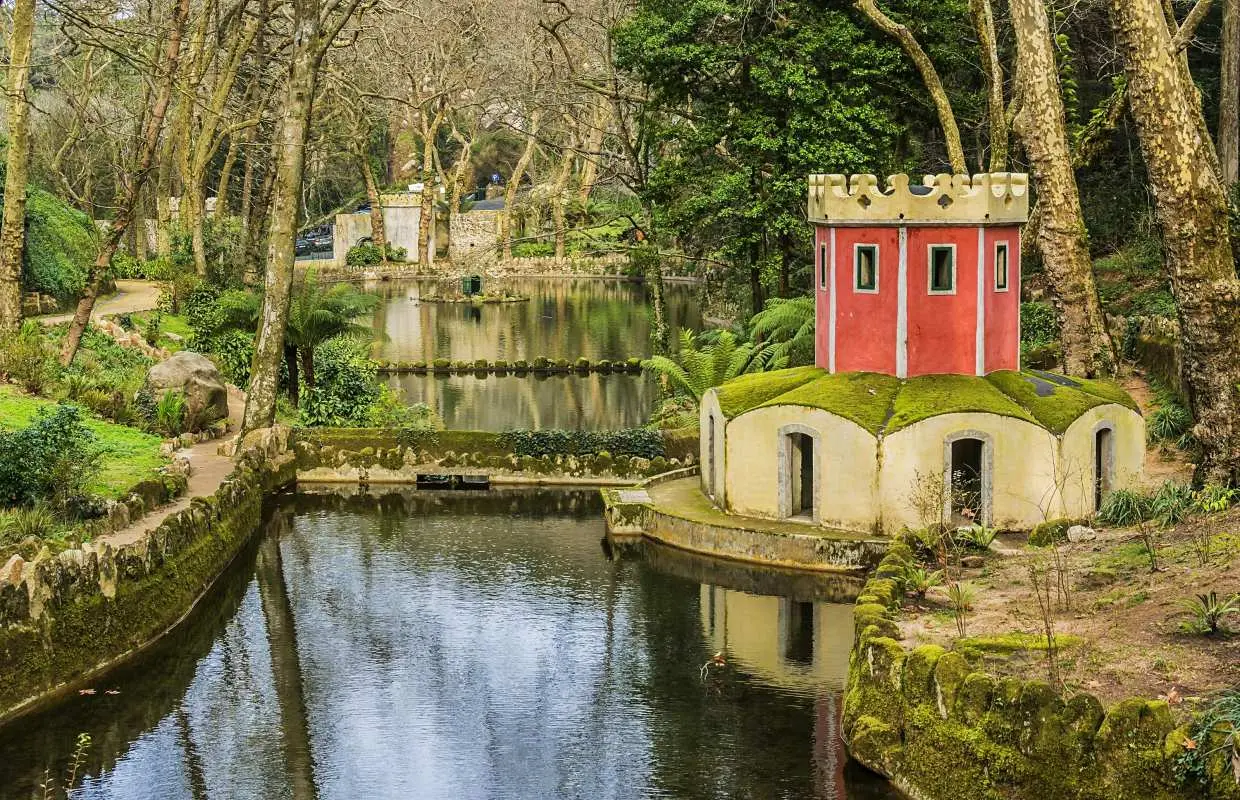
- Wander through serene pathways with diverse ferns, lakes, and vibrant greenery
Package Options
Product Info
—What To Expect—
Stroll among 2,000 plant species, cross mossy bridges, watch cascading waterfalls, or simply relax by a fountain as the serene beauty surrounds you. From the park's lofty vantage points, soak in breathtaking views of the Sintra region, Lisbon, and the western coastline, just as King Ferdinand intended for his visitors.

Discover an amazing maze of woodland in a fairy tale forest

Walk among 2,000 different species of plants and throw stones from bridges
Important Info
Includes/Excludes
- Entrance to Pena Park
- Access to all park areas
- Entrance to the Chalet of the Countess of Edla
- Access to the terraces
- Access to the restaurant
- Access to the Palace cafeteria
- Access to Pena Palace
Reminders
There's a paid transfer service available, bringing guests from the park entrance to the Palace. The service runs every 15 minutes
There's a free hop-on hop-off transfer service available between the Palace and the Chalet of the Countess of Edla. Simply show your entrance ticket and hop on.
How to Use
- Last admission: 1 hour before closing
- Dogs aren't allowed in the park, except guide dogs
How to Use Your Voucher
- Please present the e-voucher on-site
Experience Location
Location Name: Parque da Pena
Address: Parque da PenaMonday 10:00–18:00 (Last Entry Time: 17:00)
Tuesday Closed
Wednesday 10:00–18:00 (Last Entry Time: 17:00)
Thursday 10:00–18:00 (Last Entry Time: 17:00)
Friday 10:00–18:00 (Last Entry Time: 17:00)
Saturday 10:00–18:00 (Last Entry Time: 17:00)
Sunday 10:00–18:00 (Last Entry Time: 17:00)
Cancellation Policy
- Once the order has been completed, it cannot be canceled, modified, or refunded
- Due to time zone differences, the confirmed cancellation date is based on the supplier’s local time. Please allow 2–5 business days to process your cancellation request, after which the cancellation fee will be charged according to the product’s cancellation policy. Once your refund request is confirmed, KKday will initiate the refund to your original payment method within 15 days. The actual refund timing depends on your card-issuing bank’s policy.
FAQ
1. How long does it typically take to walk from Pena Park's entrance to Pena Palace?
The walk from Pena Park's main entrance to Pena Palace can take approximately 20-30 minutes, depending on your pace and whether you stop to enjoy the scenery. The path is uphill, so comfortable shoes are highly recommended. Alternatively, an official shuttle bus is available for a fee, significantly reducing the travel time to the palace entrance, dropping you closer to the palace itself.
2. What are the main attractions and highlights to see within Pena Park?
Pena Park offers several captivating attractions. Besides the iconic Pena Palace, explore the tranquil lakes, the charming Swiss-style Chalet of the Countess of Edla, and the Valley of the Lakes. Don't miss the Queen's Fern Valley and various hidden grottoes and fountains scattered throughout the lush greenery, all contributing to the park's romantic atmosphere and diverse landscape.
3. What can visitors experience inside Pena Palace, and is the interior tour recommended?
Inside Pena Palace, visitors can explore the lavish royal apartments, including the King's and Queen's quarters, the dining hall, and the chapel. The interior showcases opulent furnishings, intricate decor, and historical artifacts that provide insight into the Portuguese monarchy. Visiting the interior is highly recommended to fully appreciate the palace's rich history and unique blend of architectural styles up close.
4. What is included with a standard Pena Park entry ticket?
A standard Pena Park entry ticket typically grants comprehensive access to the entire Pena Park grounds, including its various gardens, winding pathways, and panoramic viewpoints. It also allows visitors to access the exterior terraces of Pena Palace and explore the palace's interior and royal rooms. This ticket provides a complete experience, enabling exploration of both the natural beauty and the historical architecture.
5. What are the best transportation options to reach Pena Palace and Park from Sintra?
From Sintra train station, you can reach Pena Palace and Park by taking the local Scotturb bus 434, which operates a circular route visiting the main attractions. Alternatively, taxis, ride-sharing services like Uber, or local tuk-tuks are available for a direct journey to the palace gates. For those who prefer walking, be aware the route is uphill and takes about 30-40 minutes from the town center.
6. Are there specific viewpoints or unique features within Pena Park worth exploring?
Yes, Pena Park boasts several stunning viewpoints offering breathtaking panoramas of the surrounding landscape, including the Atlantic Ocean and the Sintra coastline. Key features include the High Cross (Cruz Alta), the highest point in the park, offering exceptional vistas. Also, explore the Valley of the Lakes with its picturesque duck houses, and the Queen's Fern Valley, known for its diverse plant species.
7. What are the recommended walking routes within Pena Park, and are they suitable for all fitness levels?
Pena Park offers various walking paths, ranging from gentle strolls around the lakes to more challenging uphill climbs towards the High Cross. Many paths are well-maintained, but some areas, especially around the palace, involve steep inclines and uneven terrain. While there are accessible routes, visitors with limited mobility should consider using the internal shuttle bus for reaching the palace directly from the park entrance.
8. What architectural styles can be observed at Pena Palace, and what makes it unique?
Pena Palace is renowned for its eclectic and romantic architectural blend, featuring strong influences of Gothic, Moorish, Manueline, and Renaissance styles. Its uniqueness stems from this deliberate fusion, creating a vibrant, fairy-tale appearance with vivid colors, ornate details, and whimsical turrets. The palace stands as a significant example of 19th-century Romanticism in Portugal, offering a visual feast for visitors.


