



Nara World Heritage PRIVATE TOUR
- Since it’s a fully private tour, you won’t need to worry about other groups. Let the guide know where you want to go!
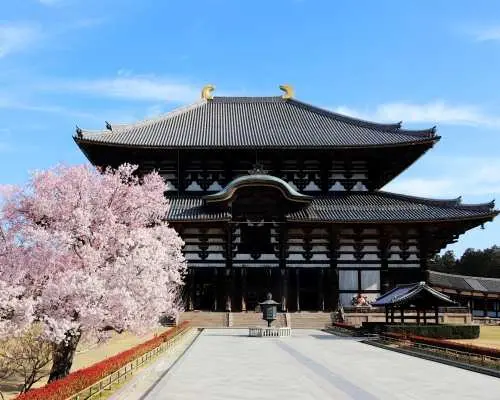
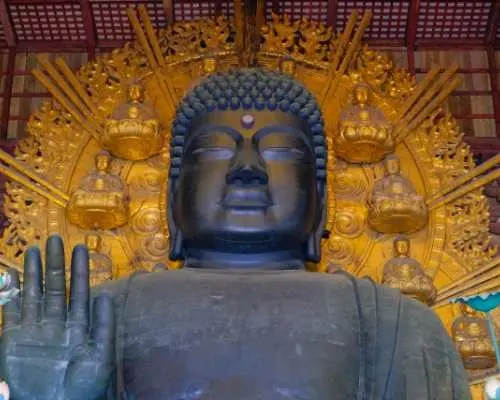
- Experience the impressive Kongōrikishi statues and the monumental Great Buddha, accompanied by historical and cultural lectures from a guide well-versed in Nara.
- Feed wild deer with a hands-on experience! Only here in Japan’s Nara can you feed the famous deer.
Package Options


Sightseeing Tours
| Tour Type | Private tour |
| Tour types | Guided tour |
| Sightseeing type | Natural sights, Temples & shrines, Historic site tour |
| Transport | Walking |
Product Info
Important Info
Reminders
On the day of the tour, we will walk about 2 km, so please wear comfortable clothes and walking shoes.
In July and August, temperatures in Japan can reach nearly 40°C and it can be extremely hot. Please take care to avoid heatstroke.
Cancellation Policy
- Cancellations 3 day(s) (inclusive) before the selected date are allowed. Unused orders can be canceled for free
- For cancellations made 2 to 2 days prior to selected date, a cancellation fee of 20% will apply
- For cancellations made 1 to 1 days prior to selected date, a cancellation fee of 50% will apply
- Cancellation is not allowed between 0–0 days from the selected date. Orders cannot be canceled or modified, and refunds will not be granted.
- Due to time zone differences, the confirmed cancellation date is based on the supplier’s local time. Please allow 2–5 business days to process your cancellation request, after which the cancellation fee will be charged according to the product’s cancellation policy. Once your refund request is confirmed, KKday will initiate the refund to your original payment method within 15 days. The actual refund timing depends on your card-issuing bank’s policy.
FAQ
1. Is Nara recognized as a UNESCO World Heritage site?
Yes, Nara is home to the "Historic Monuments of Ancient Nara," which was designated a UNESCO World Heritage site in 1998. This designation encompasses eight properties including important temples, shrines, and the former Imperial Palace site, reflecting Nara's profound historical and cultural value during its time as Japan's capital.
2. Which specific locations in Nara hold UNESCO World Heritage status?
The UNESCO World Heritage sites in Nara include Todai-ji Temple, Kofuku-ji Temple, Kasuga Grand Shrine, Gangoji Temple, Yakushi-ji Temple, Toshodai-ji Temple, the Heijo Palace Site, and Kasugayama Primeval Forest. These locations collectively preserve the rich religious and architectural heritage of ancient Japan.
3. What is the historical and cultural significance of Nara as a former capital of Japan?
Nara served as Japan's first permanent capital, Heijo-kyo, from 710 to 784 AD. During this period, it flourished as a center for Buddhism and a hub for cultural exchange with China and Korea. This era significantly shaped Japanese art, architecture, literature, and religious practices, leaving behind numerous iconic temples and artifacts.
4. What unique experiences can visitors enjoy at Nara's prominent historic sites, such as interacting with sacred deer?
Visitors can experience monumental architectural wonders like Todai-ji Temple, home to the Great Buddha and impressive Kongōrikishi statues. A unique highlight is feeding the sacred wild deer in Nara Park, a tradition deeply intertwined with local culture. Exploring the ancient grounds and participating in spiritual practices are also key experiences.
5. Which of Nara's World Heritage sites are particularly beautiful for autumn leaf viewing?
Many of Nara's World Heritage sites offer stunning autumn foliage. Nara Park, surrounding Todai-ji and Kasuga Grand Shrine, is especially vibrant with colorful maple and ginkgo trees. Isuien Garden and Yoshikien Garden also provide picturesque settings to enjoy the changing leaves within historic backdrops, enhancing the seasonal beauty.
6. What are the most efficient transportation options for navigating Nara's World Heritage areas?
Walking is ideal for exploring Nara Park and its nearby sites like Todai-ji and Kasuga Grand Shrine. For wider exploration, local buses connect major attractions. A private tour offers seamless, comfortable travel between sites, providing personalized routes and convenience without navigation worries, enhancing the visiting experience.
7. Is it common to use ride-sharing services or taxis when exploring Nara's attractions?
While ride-sharing services like Uber are not as prevalent or widely used in Nara as traditional taxis, taxis are readily available. Taxis offer a convenient option for direct travel between attractions, especially if you have limited time or prefer door-to-door service, complementing walking or public transport for ease of access.
8. Can standard IC cards like Suica be used on public transportation within Nara?
Yes, standard IC cards widely used across Japan, such as Suica, Pasmo, and Icoca, are generally accepted on public buses and trains within Nara. This provides a convenient cashless option for navigating the city's public transportation network, making travel between sites smoother and more efficient for visitors.
Get Help


