
Get Exclusive App Deals
Product #250338



KKday Marketplace
Experience making your own "fragrance bag" at a temple associated with two great figures in Japanese Buddhism, Kukai and Enchin (Zentsuji City, Kagawa Prefecture)
Booking confirmed 1 day(s) after ordering
Duration:2 hour(s)
Language(s): English / Japanese / Mandarin
Free cancellation 4 day(s) prior to experience date
Please present the e-voucher on-site
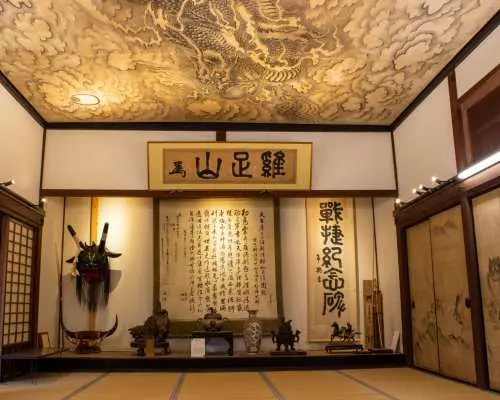
・The experience will take place in a special room that is not open to the public.
・We will serve you Sencha green tea and sweets. You can enjoy it while refreshing your sense of smell with the aroma of tea.
・Your guide will also teach you how to pray at the temple, so you can come with peace of mind.
・We will serve you Sencha green tea and sweets. You can enjoy it while refreshing your sense of smell with the aroma of tea.
・Your guide will also teach you how to pray at the temple, so you can come with peace of mind.
Product Info
What You Can Expect
Duration: 2 hour(s)
1 Day
- Temple grounds tour: about 30 minutes
- Incense bag making experience: about 1 hour 30 minutes


Purchase Notice
・This is an experience where you smell and mix fragrances. Please refrain from using perfume or other strong scents.
・Please note that if you are late for the meeting time, you may not be able to participate.
・If children are participating, they must be accompanied by a parent or guardian.
・The building is not barrier-free. If you require assistance, please contact us in advance.
・Unlike typical tourist destinations, this is a place that is treasured as an object of religious worship. Please enjoy the place with good manners.
・When making a reservation, please let us know your desired start time in the comments section (between 9:00 and 16:00) (including the experience time)
・Please note that if you are late for the meeting time, you may not be able to participate.
・If children are participating, they must be accompanied by a parent or guardian.
・The building is not barrier-free. If you require assistance, please contact us in advance.
・Unlike typical tourist destinations, this is a place that is treasured as an object of religious worship. Please enjoy the place with good manners.
・When making a reservation, please let us know your desired start time in the comments section (between 9:00 and 16:00) (including the experience time)
Includes/Excludes
- Consumption tax
- Tea Hospitality
- Material cost
- Experience fee
Eligible Users
Reminders
Please come to the main hall of Kanakuraji Temple 10 minutes before the start of your experience.
How to Redeem Your Voucher
How to Use Your Voucher
- Please present the e-voucher on-site
Meeting Point
Location Name: Kinzoji Temple
Address: 1160 Kinzoji, Zentsuji CityHow to Get There
Please come to the main hall of Kanakuraji Temple 10 minutes before the start of the experience.
Location: The room associated with Nogi Maresuke
[For those coming by car]
Nearest IC: Approximately 4 minutes (2.3 km) from Zentsuji IC
(Via Prefectural Route 25)
[For those coming by train]
Get off at Kanakuraji Station: Approximately 8 minutes on foot (0.3 km)
(Via Prefectural Route 25)
▶ Paid parking lot on the temple grounds
・Light and regular cars: 200 yen
・Medium and large cars: 500 yen
Experience Location
Location Name: Kinzoji Temple
Address: 1160 Kinzoji, Zentsuji CityCancellation Policy
- Cancellations 4 day(s) (inclusive) before the selected date are allowed. Unused orders can be canceled for free
- For cancellations made 1 to 3 days prior to selected date, a cancellation fee of 50% will apply
- Cancellation is not allowed between 0–0 days from the selected date. Orders cannot be canceled or modified, and refunds will not be granted.
NOTE
- Due to time zone differences, the confirmed cancellation date is based on the supplier’s local time. Please allow 2–5 business days to process your cancellation request, after which the cancellation fee will be charged according to the product’s cancellation policy. Once your refund request is confirmed, KKday will initiate the refund to your original payment method within 15 days. The actual refund timing depends on your card-issuing bank’s policy.
Get Help

Contact Merchant


